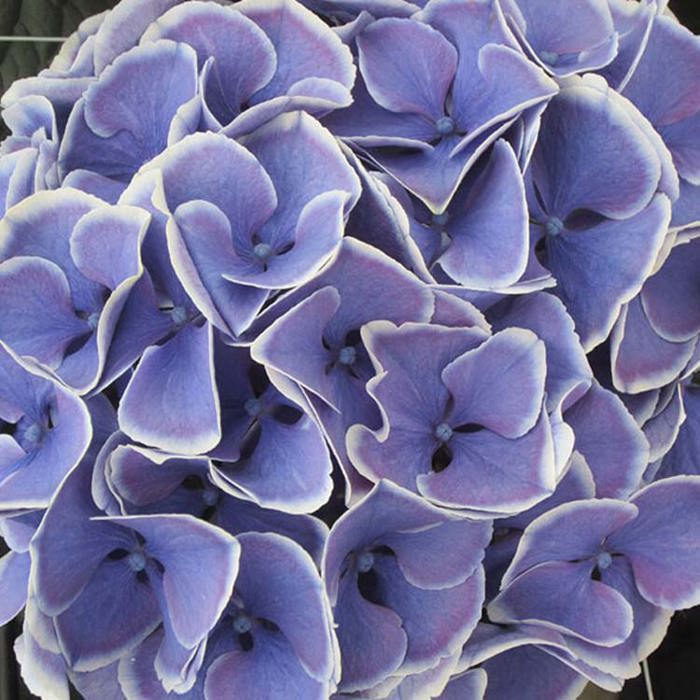
Hydrangea macrophylla Magical Candy Rock Leggy Stems
eco Leggy Stems

Hydrangea macrophylla Magical Candy Rock – Leggy Stems

Why does your Hydrangea macrophylla Magical Candy Rock have leggy stems? Diagnose the cause and fix it with our step-by-step guide.

search Possible Causes

error

Insufficient Light Exposure

Hydrangeas are phototropic; when deprived of adequate bright, indirect light, they undergo etiolation, stretching stems rapidly to reach a light source. This results in elongated, weak, and spindly growth patterns.

Very Common
lightbulb
How to confirm: Observe if the plant is leaning toward a window or if new leaves are significantly smaller and paler than older ones.
build How to fix it
shopping_cart Recommended Products
1 Move your Hydrangea to a location that receives bright, indirect sunlight to stop the stems from stretching toward light sources.
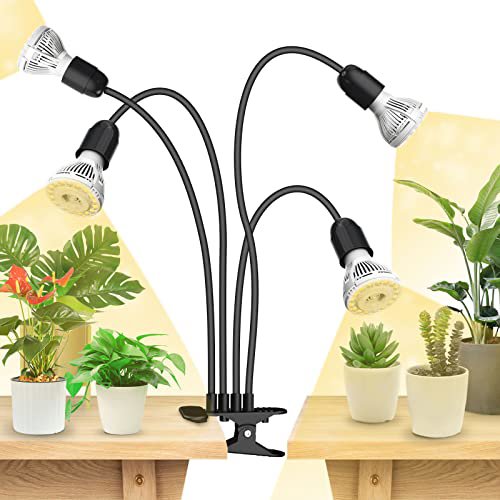
2 Supplement with a full-spectrum grow light if natural light is insufficient to maintain the plant's structural integrity.
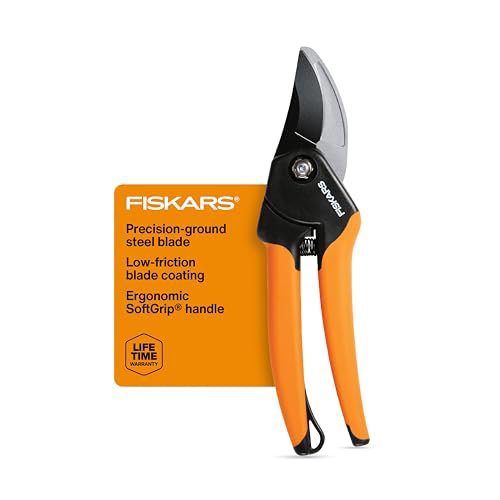
3 Prune the elongated, weak stems using sharp shears to encourage bushier, more compact growth patterns.
warning

Excessive Nitrogen Fertilization

An overabundance of nitrogen-rich fertilizer promotes rapid vegetative growth at the expense of structural strength. In 'Magical Candy Rock', this causes lush but structurally weak and floppy stems.

Common
lightbulb
How to confirm: Check your recent fertilization schedule to see if high-nitrogen products were used recently.
build How to fix it
shopping_cart Recommended Products
1 Flush the soil with plenty of fresh, plain water to leach out excess nitrogen salts from the root zone.
2 Prune the weak, floppy stems using sharp, clean shears to encourage more compact, sturdy growth.
3 Switch to a balanced or low-nitrogen fertilizer and avoid high-nitrogen formulas until structural strength improves.
warning

Overwatering and Poor Drainage

Saturated soil reduces oxygen availability to the roots, causing shallow root systems that cannot support heavy foliage. This lack of structural anchorage often manifests as weak, leggy stems that collapse under their own weight.

Common
lightbulb
How to confirm: Stick your finger two inches into the soil; if it feels muddy or smells sour, drainage is likely an issue.
build How to fix it
shopping_cart Recommended Products
1 Immediately check the soil moisture levels to ensure the root zone is not staying saturated; use a moisture meter to detect deep-seated water retention.
2 Repot the hydrangea into a container with superior drainage, such as a Root & Vessel cylinder pot, and use a well-draining medium amended with perlite to improve aeration.
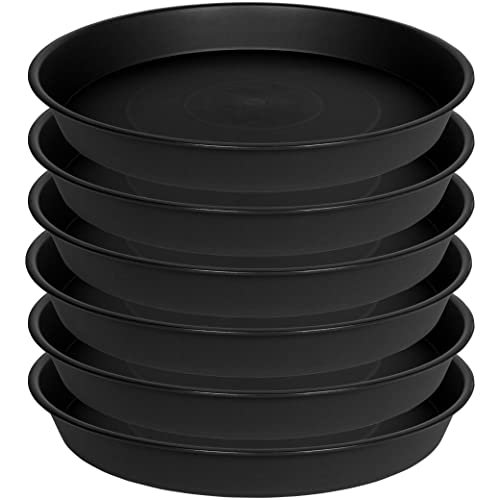
3 Ensure the plant is not sitting in stagnant water by using a drainage saucer to catch overflow, and empty it regularly to prevent root rot.
warning

Improper Pruning Regimen

Failure to prune old wood or removing too much of the plant's structure can disrupt the natural growth habit. This can lead to a lack of lateral branching, forcing the plant to focus all energy on upward vertical extension.

Common
lightbulb
How to confirm: Inspect the base of the stems for any signs of recent heavy cuts or a total lack of side buds.
build How to fix it
shopping_cart Recommended Products
1 Prune the leggy stems back to a healthy node or a stronger lateral branch to encourage new, bushy growth.
2 Use sharp, clean bypass pruners to make precise cuts, preventing jagged edges that could lead to disease.
3 Apply a balanced fertilizer to provide the energy needed for new lateral branch development.

Other Hydrangea macrophylla Magical Candy Rock problems

Your plant might also be experiencing one of these issues:

local_hospital All symptoms eco All plants with leggy stems
favorite