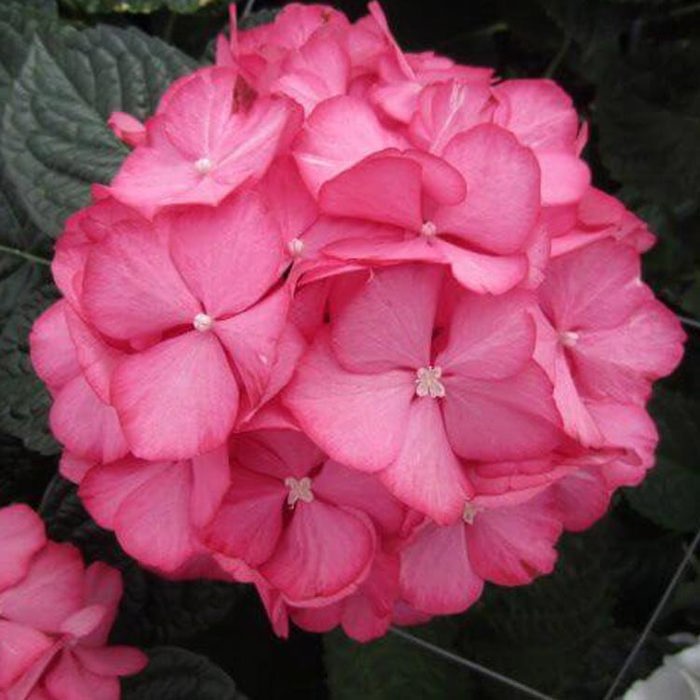
Hydrangea macrophylla Magical Cerise Sudden Leaf Drop
eco Sudden Leaf Drop

Hydrangea macrophylla Magical Cerise – Sudden Leaf Drop

Why does your Hydrangea macrophylla Magical Cerise have sudden leaf drop? Diagnose the cause and fix it with our step-by-step guide.

search Possible Causes

error

Water Stress (Drought or Overwatering)

Hydrangeas are highly sensitive to moisture fluctuations; drought causes leaves to wilt and drop to conserve water, while overwatering leads to root suffocation and leaf abscission. 'Magical Cerise' has large leaves with high transpiration rates, making it prone to rapid dehydration.

Very Common
lightbulb
How to confirm: Check the soil moisture two inches below the surface; if bone dry or muddy/smelly, you have a water management issue.
build How to fix it
shopping_cart Recommended Products
1 Check the soil moisture level at the root zone using a moisture meter to determine if the plant is suffering from drought or root rot due to overwatering.
2 If the soil is bone dry, deeply water the plant until water drains from the bottom; if the soil is saturated, allow it to dry out completely and ensure the pot has proper drainage.
3 To prevent future moisture fluctuations, consider repotting into a well-draining medium enriched with perlite to improve aeration and water retention balance.
error

Temperature Fluctuations/Heat Stress

Sudden spikes in temperature or cold drafts can trigger a defense mechanism where the plant sheds foliage to reduce surface area. This is particularly common if the hydrangea is in a container or near an air conditioning vent.

Very Common
lightbulb
How to confirm: Observe if the leaf drop coincides with recent heatwaves or sudden drops in nighttime temperatures.
build How to fix it
shopping_cart Recommended Products
1 Move the plant to a stable environment away from air conditioning vents, heaters, or direct hot sun to minimize thermal shock.
2 Monitor soil moisture levels closely to ensure the plant isn't drying out during heat spikes; use a moisture meter to prevent dehydration.
3 Apply a liquid seaweed fertilizer to help the plant recover from environmental stress and boost nutrient uptake.
warning

Root Rot (Phytophthora)

If soil drainage is poor, fungal pathogens can attack the root system of the Hydrangea macrophylla, preventing water uptake despite wet soil. This results in sudden wilting followed by leaf drop.

Common
lightbulb
How to confirm: Gently lift the plant from its pot or dig near the base to see if the roots appear dark brown and slimy rather than firm and white.
build How to fix it
shopping_cart Recommended Products
1 Immediately inspect the roots for mushy, dark brown decay and prune away any rotted sections using sterilized tools.
2 Repot the plant in a well-draining medium and mix in perlite to improve aeration and prevent future waterlogging.
3 Ensure the plant is in a container with excellent drainage and avoid letting it sit in standing water; use a moisture meter to monitor soil levels.
warning

Nutrient Deficiency (Nitrogen or Magnesium)

While less common for 'sudden' drop, a severe lack of essential nutrients can weaken the plant's ability to maintain foliage. Specifically, magnesium deficiency often shows yellowing between veins before leaves fall.

Common
lightbulb
How to confirm: Inspect the older leaves for chlorosis (yellowing) between the green veins prior to the drop.
build How to fix it
shopping_cart Recommended Products
1 Apply a magnesium-rich supplement to strengthen cell walls and prevent further leaf drop.
2 Provide a balanced liquid fertilizer to address potential nitrogen deficiencies and support new foliage growth.
3 Monitor soil moisture levels closely using a moisture meter to ensure the plant is not experiencing drought stress alongside nutrient issues.

Other Hydrangea macrophylla Magical Cerise problems

Your plant might also be experiencing one of these issues:

local_hospital All symptoms eco All plants with sudden leaf drop
favorite