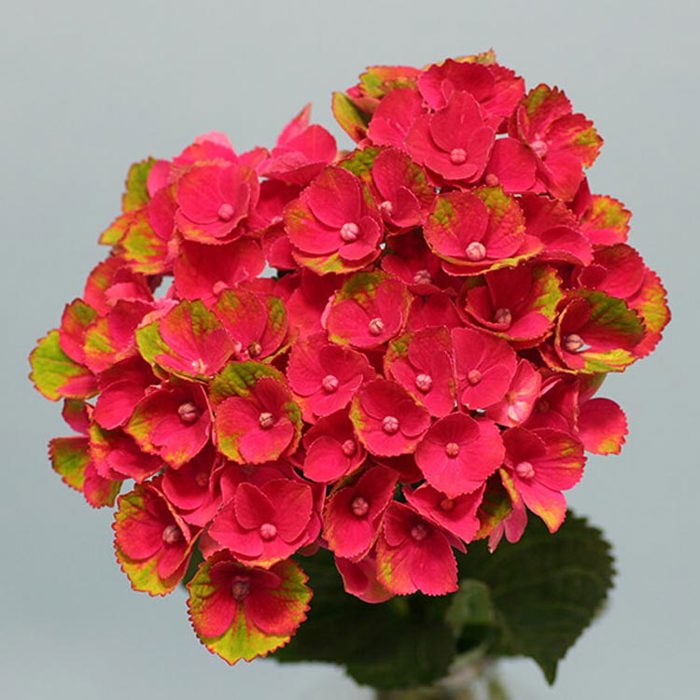
Hydrangea macrophylla Magical Charlotte Sudden Leaf Drop
eco Sudden Leaf Drop

Hydrangea macrophylla Magical Charlotte – Sudden Leaf Drop

Why does your Hydrangea macrophylla Magical Charlotte have sudden leaf drop? Diagnose the cause and fix it with our step-by-step guide.

search Possible Causes

error

Water Stress (Drought or Overwatering)

Hydrangeas have large, thin leaves with high transpiration rates; sudden leaf drop is a common defense mechanism to prevent desiccation during drought or when roots are suffocating in waterlogged soil.

Very Common
lightbulb
How to confirm: Check the moisture level of the soil two inches below the surface and feel for mushy roots if the soil is saturated.
build How to fix it
shopping_cart Recommended Products
1 Check the soil moisture level immediately by inserting a probe into the root zone to determine if the soil is bone-dry or waterlogged.
2 If the soil is dry, thoroughly water the plant until water drains from the bottom; if the soil is saturated, allow it to dry out completely before next watering.
3 To help the plant recover from stress, ensure it is in a well-draining container and consider adding perlite to the soil to improve aeration.
error

Temperature Fluctuations or Frost Damage

Sudden drops in temperature or late spring frosts can damage the delicate tissues of 'Magical Charlotte', causing the plant to shed leaves to protect its core structure.

Very Common
lightbulb
How to confirm: Check if there was a recent frost event or a sharp drop in nighttime temperatures in your local area.
build How to fix it
shopping_cart Recommended Products
1 Protect the plant from further temperature swings by covering it with a frost blanket or burlap during cold nights.
2 Apply a layer of organic mulch around the base of the plant to insulate the root zone and stabilize soil temperatures.
3 Avoid fertilizing until new growth appears and the plant has stabilized after the frost event.
warning

Root Rot (Phytophthora)

Excessive moisture in the planting site can lead to fungal pathogens attacking the root system, preventing water transport and resulting in sudden wilting and leaf abscission.

Common
lightbulb
How to confirm: Gently lift the plant from its container or inspect the base of the stem for dark, slimy, or foul-smelling roots.
build How to fix it
shopping_cart Recommended Products
1 Immediately reduce watering frequency and ensure the planting site has excellent drainage to stop the spread of Phytophthora.
2 Repot the plant in a highly aerated, well-draining medium by mixing in horticultural perlite to prevent future waterlogging.
3 Apply a fungicide treatment to protect remaining healthy tissues from fungal pathogens.
warning

Environmental Shock (Transplant Stress)

If the hydrangea was recently moved to a new location or repotted, it may drop leaves as it struggles to adapt to new light levels and soil moisture availability.

Common
lightbulb
How to confirm: Verify if the plant has been replanted or moved within the last two weeks.
build How to fix it
shopping_cart Recommended Products
1 Ensure the plant is in a stable, shaded location to minimize further transpiration stress while it recovers.
2 Monitor soil moisture levels closely to prevent both dehydration and root rot during this sensitive period.
3 Apply a microbial-based liquid fertilizer to support root zone development and help the plant recover from transplant shock.

Other Hydrangea macrophylla Magical Charlotte problems

Your plant might also be experiencing one of these issues:

local_hospital All symptoms eco All plants with sudden leaf drop
favorite