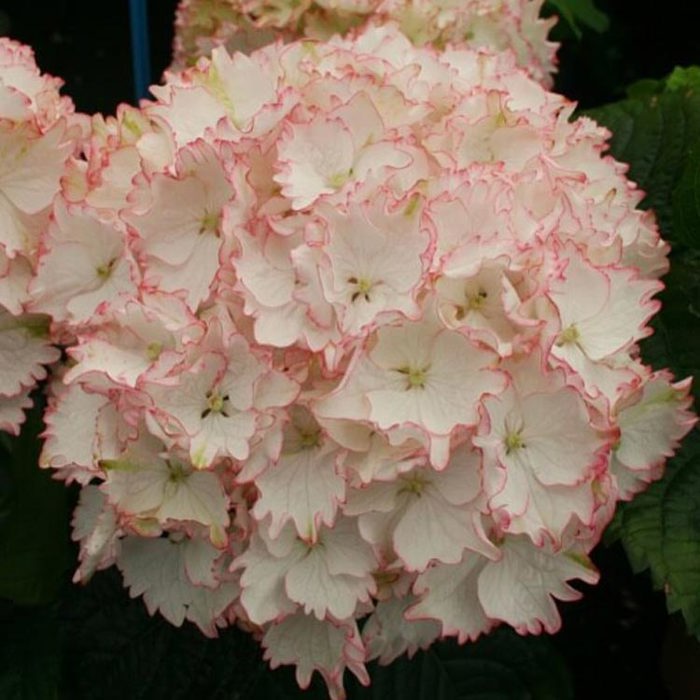
Why does your Hydrangea macrophylla Magical Cleopatra have leggy stems? Diagnose the cause and fix it with our step-by-step guide.
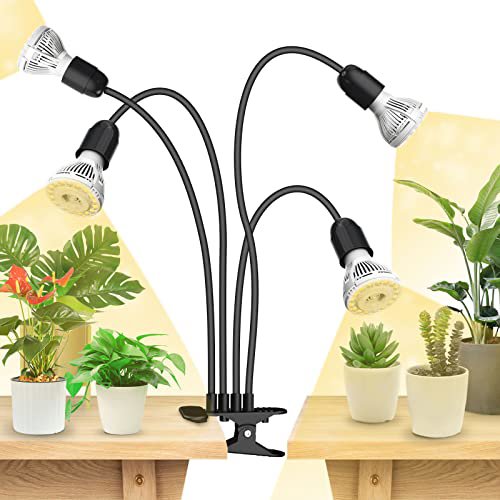
Hydrangeas are shade-loving plants, but 'Magical Cleopatra' requires bright, filtered light to maintain structural integrity. In low light conditions, the plant undergoes etiolation, where stems rapidly elongate and stretch toward the nearest light source, resulting in weak, spindly growth.
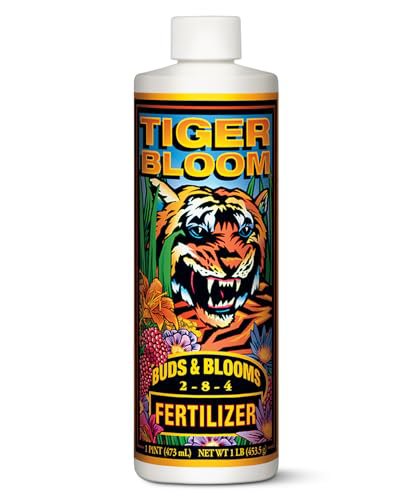
High levels of nitrogen promote rapid vegetative growth and lush green foliage, but can cause the plant to outpace its structural strength. This leads to soft, succulent stems that lack the lignification necessary to support the heavy mophead blooms characteristic of this cultivar.
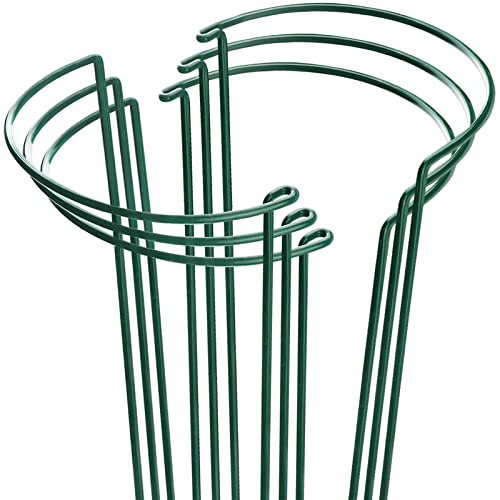
If the hydrangea is not pruned following its blooming cycle, older stems can become heavy and woody with extended gaps between nodes. This accumulated growth weight, combined with natural senescence of lower leaves, creates a 'leggy' appearance.
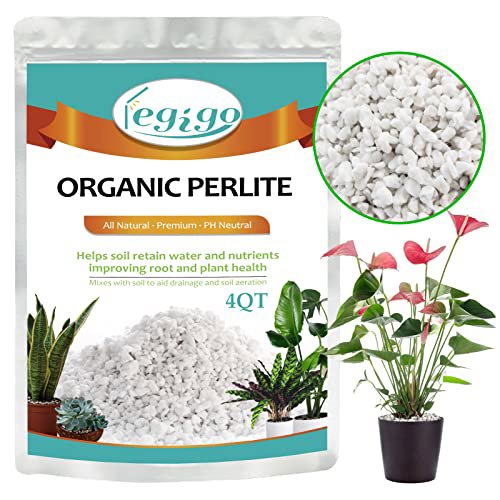
Inconsistent watering can lead to periods of rapid growth followed by stress-induced cell elongation. If roots are struggling in poorly draining or overly dry soil, the plant may produce weak, elongated stems as it searches for more stable environmental conditions.
Your plant might also be experiencing one of these issues:

 English
 Italiano