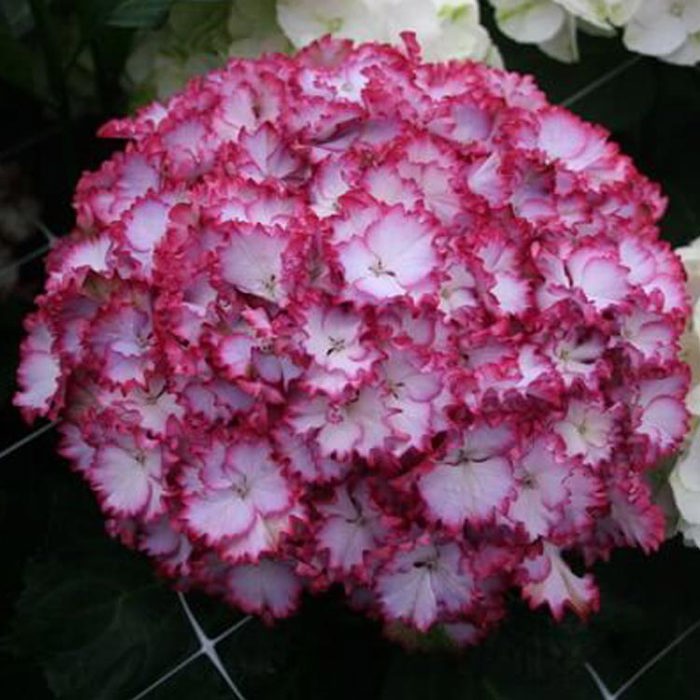
Hydrangea macrophylla Magical Colordream Drooping Leaves
eco Drooping Leaves

Hydrangea macrophylla Magical Colordream – Drooping Leaves

Why does your Hydrangea macrophylla Magical Colordream have drooping leaves? Diagnose the cause and fix it with our step-by-step guide.

search Possible Causes

error

Underwatering / Drought Stress

Hydrangeas have large, thin leaves with high transpiration rates, making them highly susceptible to moisture loss. If the soil substrate dries out, turgor pressure drops quickly, causing the characteristic limp, drooping appearance.

Very Common
lightbulb
How to confirm: Check the moisture level 2 inches below the soil surface; if it is bone dry, the plant needs immediate deep watering.
build How to fix it
shopping_cart Recommended Products
1 Immediately check the soil moisture level using a moisture meter to confirm the depth of the drought stress.
2 Deeply water the plant until water flows freely from the drainage holes, ensuring the entire root ball is saturated.
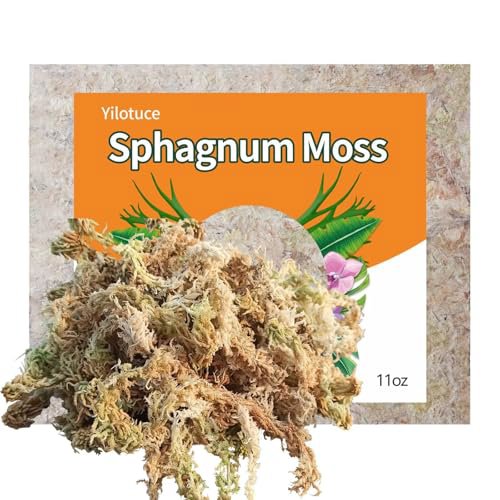
3 Apply a layer of organic mulch or sphagnum moss around the base of the plant to help retain soil moisture and prevent future evaporation.
error

Root Rot (Phytophthora)

Excessive soil moisture or poor drainage in heavy soils can lead to fungal pathogens attacking the root system. This prevents the roots from transporting water upward, causing leaves to droop even if the soil feels wet.

Very Common
lightbulb
How to confirm: Gently lift a small section of the root ball to check if the roots are dark, slimy, or emitting an unpleasant odor.
build How to fix it
shopping_cart Recommended Products
1 Immediately reduce watering frequency and ensure the plant is in a container with excellent drainage to stop further root decay.
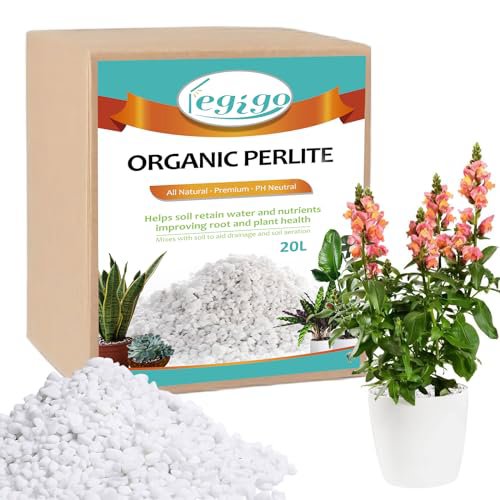
2 Repot the hydrangea in a highly aerated, well-draining medium by mixing existing soil with perlite or horticultural grit to improve oxygen to the roots.
3 Apply a fungicide treatment to combat the Phytophthora pathogen and prevent the spread of the rot to healthy root tissues.
warning

Heat Stress / High Transpiration

During peak summer temperatures, the rate of water evaporation from the large 'Magical Colordream' leaves may exceed the roots' ability to absorb water. This is often a temporary physiological response to protect the plant from desiccation.

Common
lightbulb
How to confirm: Observe if the drooping recovers in the early morning hours after temperatures drop and humidity rises.
build How to fix it
shopping_cart Recommended Products
1 Check the soil moisture level immediately using a moisture meter to determine if the drooping is due to dehydration or if the roots are struggling to keep up with evaporation.
2 Apply a consistent watering schedule and consider using a mulch or moisture-retaining substrate like sphagnum moss around the base to help keep the root zone cool and hydrated.
3 Move the plant to a location with afternoon shade or use a shade cloth to reduce the intensity of direct sunlight and lower the transpiration rate during peak heat.
warning

Nutrient Deficiency (Nitrogen or Iron)

While primarily causing chlorosis, severe nutrient deficiencies can weaken the structural integrity of the stems and leaves in Hydrangeas. This lack of cellular strength can lead to a loss of upright posture in the foliage.

Common
lightbulb
How to confirm: Examine the leaves for yellowing between veins (interveinal chlorosis) alongside the drooping symptoms.
build How to fix it
shopping_cart Recommended Products
1 Check the soil moisture levels using a moisture meter to ensure the drooping is not actually caused by underwatering or root stress.
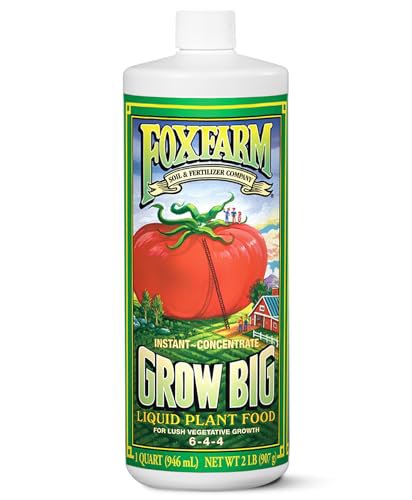
2 Apply a nitrogen-rich organic fertilizer to restore cellular strength and promote lush, upright foliage growth.
3 Supplement with a liquid seaweed fertilizer to boost nutrient uptake and help the plant recover from environmental stress.

Other Hydrangea macrophylla Magical Colordream problems

Your plant might also be experiencing one of these issues:

local_hospital All symptoms eco All plants with drooping leaves
favorite