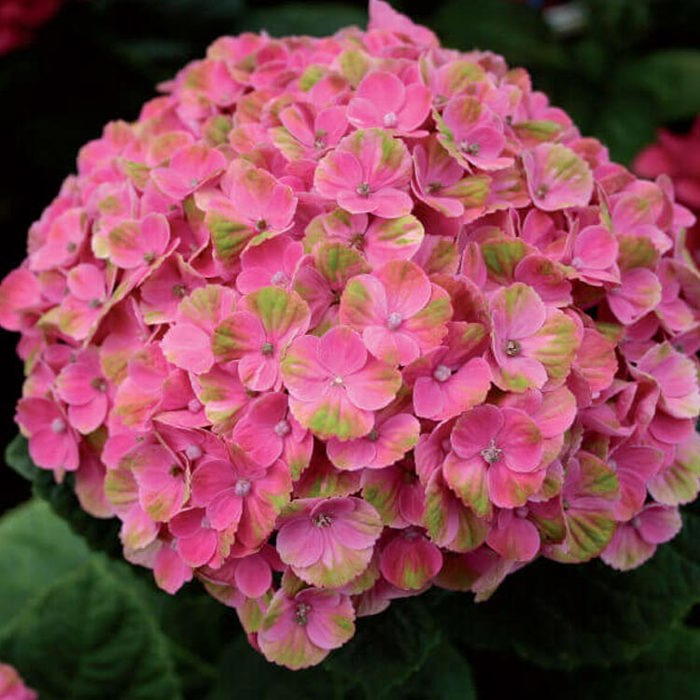
Hydrangea macrophylla Magical Coral Brown Leaf Tips
eco Brown Leaf Tips

Hydrangea macrophylla Magical Coral – Brown Leaf Tips

Why does your Hydrangea macrophylla Magical Coral have brown leaf tips? Diagnose the cause and fix it with our step-by-step guide.

search Possible Causes

error

Underwatering and Low Humidity

Hydrangeas have large, thin leaves with high transpiration rates. If the soil dries out or humidity levels drop significantly, the plant cannot transport water fast enough to the leaf margins, causing cellular death at the tips.

Very Common
lightbulb
How to confirm: Check if the soil feels dry several inches below the surface and if the air in your home is particularly dry due to heating/AC.
build How to fix it
shopping_cart Recommended Products
1 Check the soil moisture level immediately using a moisture meter to ensure the root zone is not completely desiccated.
2 Increase local humidity around the plant by using a pebble tray or a fine misting spray bottle to hydrate the large leaf surfaces.
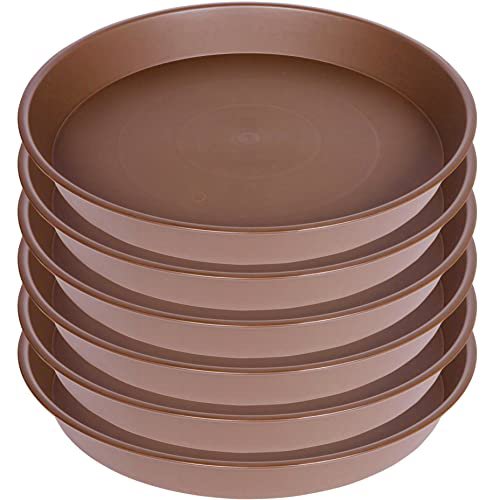
3 Establish a consistent watering schedule to prevent the soil from drying out, and consider using a pebble tray with a saucer like the Bleuhome 10 Inch Plant Saucer to maintain moisture.
error

Salt Accumulation (Fertilizer Burn)

Excessive use of synthetic fertilizers leads to a buildup of mineral salts in the growing medium. These salts draw moisture out of the leaf tissues via osmosis, specifically manifesting as scorched brown edges.

Very Common
lightbulb
How to confirm: Check if you have recently applied a high-nitrogen fertilizer and look for a white, crusty residue on the soil surface.
build How to fix it
shopping_cart Recommended Products
1 Flush the soil thoroughly with large amounts of fresh, distilled, or rainwater to leach out accumulated mineral salts from the root zone.
2 Prune away the most severely scorched brown leaf edges using clean shears to prevent further aesthetic decline.
3 Transition to a more diluted or organic feeding schedule, and consider amending the soil with organic matter like worm castings to improve salt buffering.
warning

Root Damage or Root Rot

While brown tips often suggest thirst, they can also indicate that the roots are too damaged by overwatering to absorb moisture. If the roots are suffocating in compacted, waterlogged soil, the leaf extremities will die first.

Common
lightbulb
How to confirm: Gently lift the plant from its pot to inspect if the roots are firm and white or brown, slimy, and foul-smelling.
build How to fix it
shopping_cart Recommended Products
1 Inspect the roots for mushy, dark, or foul-smelling decay; if rot is present, prune away any dead roots using sterilized shears.
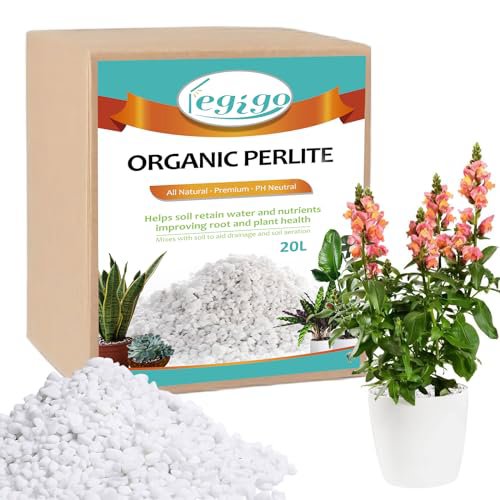
2 Repot the hydrangea into a fresh, well-draining medium to prevent further suffocation, incorporating perlite to improve aeration.
3 Use a moisture meter to monitor the soil depth and ensure you only water when the top inch of soil is dry to prevent future overwatering.
warning

Wind Scorch

Strong, drying winds can strip moisture from the edges of Hydrangea macrophylla leaves faster than the root system can replenish it, leading to localized desiccation.

Common
lightbulb
How to confirm: Observe if the browning is more pronounced on the side of the plant most exposed to drafts or outdoor wind currents.
build How to fix it
shopping_cart Recommended Products
1 Move the plant to a sheltered location or use a windbreak, such as a fence or taller plants, to protect the foliage from drying gusts.
2 Increase local humidity around the leaves by using a fine mist spray to prevent further moisture loss from the leaf edges.
3 Monitor soil moisture levels closely to ensure the root system can keep up with transpiration, using a moisture meter to prevent dehydration.

Other Hydrangea macrophylla Magical Coral problems

Your plant might also be experiencing one of these issues:

local_hospital All symptoms eco All plants with brown leaf tips
favorite