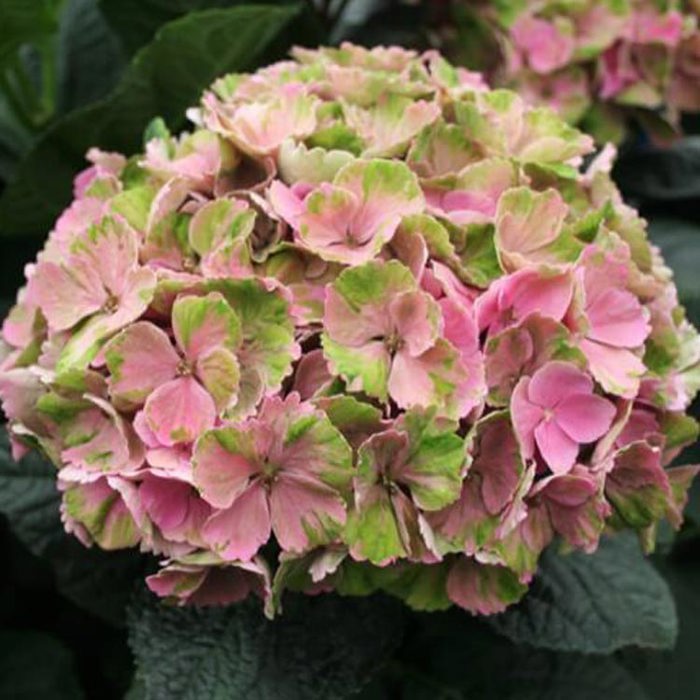
Hydrangea macrophylla Magical Daydream Sudden Leaf Drop
eco Sudden Leaf Drop

Hydrangea macrophylla Magical Daydream – Sudden Leaf Drop

Why does your Hydrangea macrophylla Magical Daydream have sudden leaf drop? Diagnose the cause and fix it with our step-by-step guide.

search Possible Causes

error

Water Stress (Drought or Overwatering)

Hydrangeas are highly sensitive to moisture fluctuations. Sudden leaf drop often occurs when the plant enters a survival mode due to bone-dry soil or, conversely, if root hypoxia from waterlogged soil prevents nutrient transport.

Very Common
lightbulb
How to confirm: Insert your finger two inches into the soil; if it is extremely dry or muddy/unpleasant, you have found the issue.
build How to fix it
shopping_cart Recommended Products
1 Check the soil moisture level immediately by inserting a probe into the root zone to determine if the plant is suffering from drought or waterlogging.
2 If the soil is bone-dry, thoroughly soak the plant; if the soil is saturated, allow it to dry out completely before the next watering to prevent root rot.
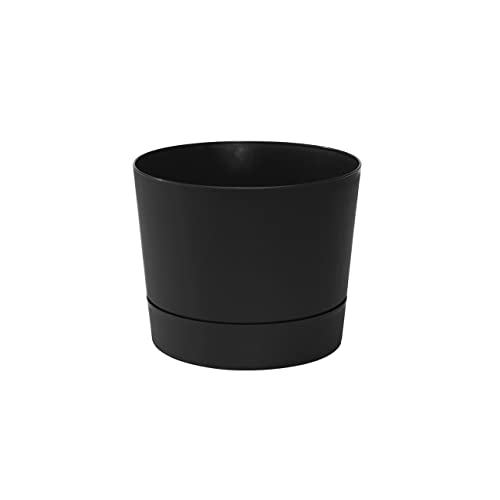
3 Ensure the plant is in a container with excellent drainage, such as a Root & Vessel pot, to prevent water from pooling around the roots.
error

Temperature Shock

Magical Daydream varieties can drop leaves rapidly when exposed to sudden frost in spring or extreme heat waves. Rapid temperature fluctuations disrupt the plant's metabolic processes and trigger abscission.

Very Common
lightbulb
How to confirm: Check recent weather patterns for sudden drops below freezing or spikes above 90°F (32°C).
build How to fix it
shopping_cart Recommended Products
1 Move the plant to a sheltered location with stable temperatures to protect it from further frost or extreme heat waves.
2 Apply a mulch layer around the base of the plant to insulate the root zone against temperature fluctuations.
3 Monitor soil moisture levels closely to ensure the plant remains hydrated without becoming waterlogged during the recovery period.
warning

Root Rot (Phytophthora)

Excessive moisture in the substrate can lead to fungal pathogens attacking the root system. As roots decay, they can no longer support the hydrangea's large leaf surface area, leading to sudden wilting and shedding.

Common
lightbulb
How to confirm: Gently lift the plant from its pot or inspect the base of the stem for dark, mushy, or foul-smelling root tissue.
build How to fix it
shopping_cart Recommended Products
1 Immediately reduce watering frequency and ensure the plant is in a well-draining container to stop the spread of Phytophthora.
2 Repot the hydrangea into a fresh, airy medium enriched with perlite to improve oxygen to the root zone and prevent further decay.
3 Apply a fungicide treatment to protect remaining healthy tissues from fungal pathogens.
warning

Pest Infestation (Aphids or Spider Mites)

Heavy infestations of sap-sucking insects can weaken the hydrangea stems significantly. The loss of nutrients and the physical damage to leaf veins can cause the plant to shed foliage to conserve energy.

Common
lightbulb
How to confirm: Examine the undersides of the remaining leaves for tiny moving specks or fine webbing.
build How to fix it
shopping_cart Recommended Products
1 Identify and treat the infestation by spraying the plant with an organic insecticide or miticide to eliminate aphids or spider mites.
2 Monitor the soil moisture levels to ensure the plant is not also suffering from drought stress, which can exacerbate leaf drop.
3 Apply a liquid seaweed fertilizer to help the hydrangea recover from the nutrient loss caused by the pests.

Other Hydrangea macrophylla Magical Daydream problems

Your plant might also be experiencing one of these issues:

local_hospital All symptoms eco All plants with sudden leaf drop
favorite