Hydrangea macrophylla Magical Emerald Leggy Stems
eco Leggy Stems

Hydrangea macrophylla Magical Emerald – Leggy Stems

Why does your Hydrangea macrophylla Magical Emerald have leggy stems? Diagnose the cause and fix it with our step-by-step guide.

search Possible Causes

error

Insufficient Light Exposure

Hydrangeas are shade-loving plants; if they receive too much direct sun or insufficient ambient light, they undergo etiolation, stretching stems toward the nearest light source to survive.

Very Common
lightbulb
How to confirm: Observe if the stem internodes (the space between leaves) are unusually long and if the plant is leaning noticeably towards a window or light source.
build How to fix it
shopping_cart Recommended Products
1 Relocate your hydrangea to a spot with bright, filtered light or dappled shade to prevent further stem stretching.
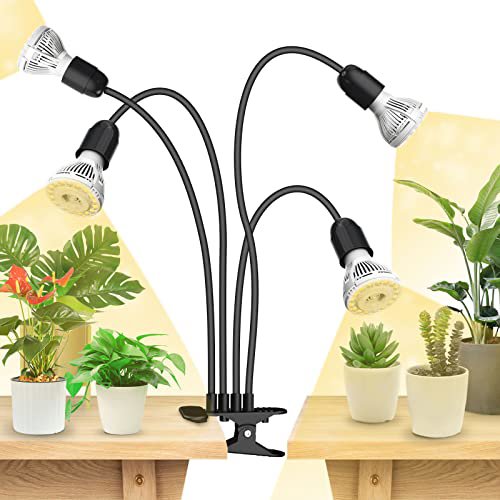
2 Supplement with a full-spectrum grow light to provide the necessary light intensity for sturdy growth.
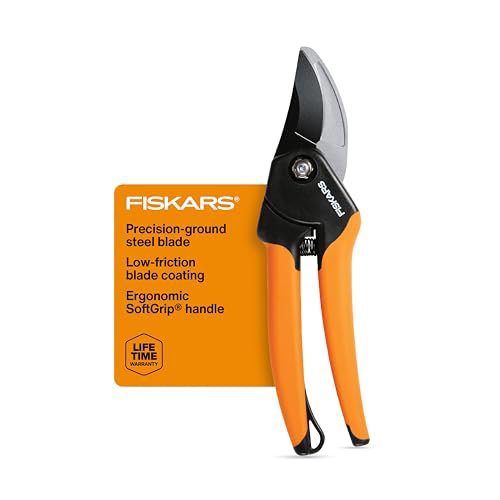
3 Prune the elongated, weak stems using sharp shears to encourage bushier growth and maintain plant structure.
error

Nitrogen Deficiency

A lack of available nitrogen prevents proper structural development in Hydrangea macrophylla, causing rapid, weak, and spindly stem growth instead of dense, woody stems.

Very Common
lightbulb
How to confirm: Check if the newer leaves are turning pale green or yellowish while the stems appear thin and weak.
build How to fix it
shopping_cart Recommended Products
1 Apply a nitrogen-rich liquid fertilizer to provide immediate nutrient uptake and support structural stem development.
2 Incorporate an organic soil amendment like blood meal into the top layer of soil to provide a slow-release source of nitrogen.
3 Prune any excessively weak or spindly stems using sharp, clean shears to encourage more robust, woody growth from the base.
warning

Overwatering and Poor Drainage

Excessive moisture in the substrate can lead to oxygen deprivation in the roots, causing a weakened root system that cannot support the structural integrity of the stems.

Common
lightbulb
How to confirm: Press your finger into the soil; if it remains saturated several inches deep while the plant looks weak, drainage is likely an issue.
build How to fix it
shopping_cart Recommended Products
1 Immediately reduce watering frequency and allow the top inch of soil to dry out before watering again to prevent further root rot.
2 Repot the hydrangea into a container with superior drainage, such as a Root & Vessel cylinder pot, and use a well-aerated potting mix amended with perlite to improve oxygen flow to the roots.
3 Ensure the plant is placed in a location with adequate airflow and light to help the substrate dry more efficiently.
warning

Improper Pruning Regimen

If the 'Magical Emerald' variety has been pruned too late in the season or not at all, old wood can become overly elongated and lose its bushy, compact form.

Common
lightbulb
How to confirm: Review your pruning history to see if the plant was allowed to grow unchecked through the entire spring and summer season.
build How to fix it
shopping_cart Recommended Products
1 Prune the elongated stems during the late winter or early spring before new growth begins to encourage a more compact, bushy habit.
2 Use sharp, clean bypass pruners to make clean cuts just above a healthy bud to prevent disease and promote vigorous new growth.
3 Apply a balanced fertilizer to support the development of new, sturdy stems and lush foliage.

Other Hydrangea macrophylla Magical Emerald problems

Your plant might also be experiencing one of these issues:

local_hospital All symptoms eco All plants with leggy stems
favorite