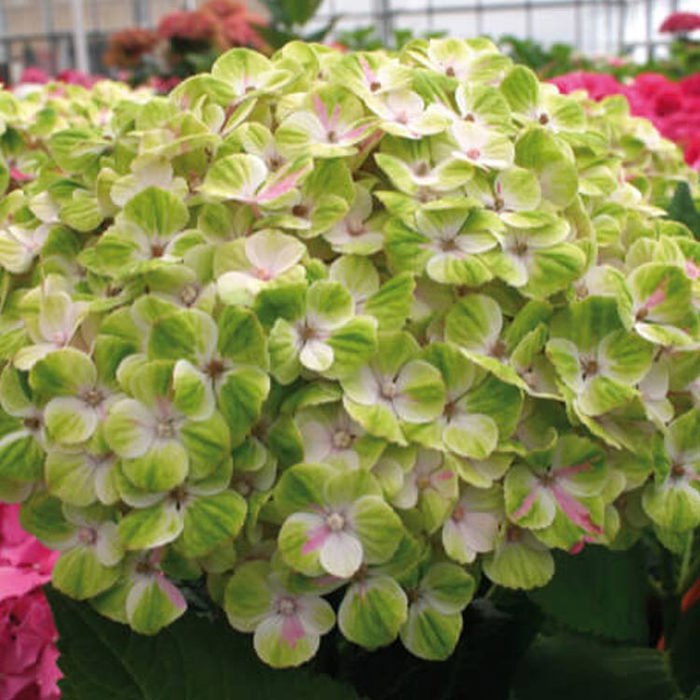
Hydrangea macrophylla Magical Green Waves Leggy Stems
eco Leggy Stems

Hydrangea macrophylla Magical Green Waves – Leggy Stems

Why does your Hydrangea macrophylla Magical Green Waves have leggy stems? Diagnose the cause and fix it with our step-by-step guide.

search Possible Causes

error

Insufficient Light Exposure

As a cultivar that thrives in filtered light or morning sun, 'Magical Green Waves' will undergo etiolation when shaded too heavily. The plant stretches its internodes to reach for a light source, resulting in weak, elongated stems.

Very Common
lightbulb
How to confirm: Observe if the new growth is pale and significantly longer than previous seasons' growth patterns.
build How to fix it
shopping_cart Recommended Products
1 Relocate your hydrangea to a location that receives bright, filtered light or morning sun to stop the stems from stretching.
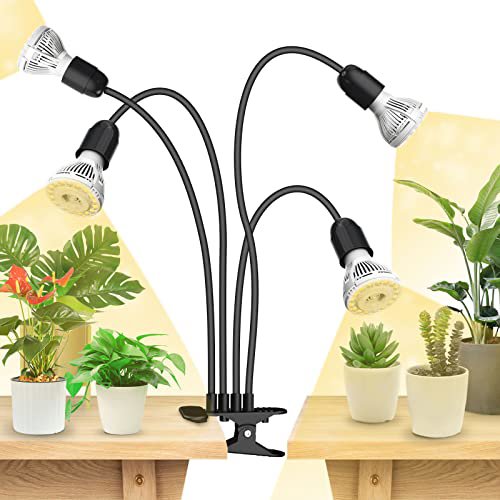
2 Supplement with a full-spectrum grow light to provide the necessary intensity for structural strength.
3 Prune the elongated, weak stems using sharp bypass pruners to encourage bushier, more compact growth.
error

Excessive Nitrogen Fertilization

High levels of nitrogen promote rapid, lush vegetative growth which can outpace the plant's structural integrity. This leads to soft, succulent stems that lack the lignin necessary to support the heavy 'Green Waves' blooms.

Very Common
lightbulb
How to confirm: Check if you have recently applied a fertilizer with a high first number (N) in the N-P-K ratio.
build How to fix it
shopping_cart Recommended Products
1 Flush the soil with plenty of fresh, filtered water to leach out excess nitrogen salts from the root zone.
2 Prune the soft, leggy stems using sharp, clean shears to encourage sturdier, more compact new growth.
3 Transition to a balanced or low-nitrogen fertilizer to support structural strength and bloom development.
warning

Overwatering and Poor Drainage

Saturated soil reduces oxygen availability to the roots, causing subtle root stress that inhibits structural development. This can manifest as weak, spindly growth as the plant struggles to maintain turgor pressure and nutrient transport.

Common
lightbulb
How to confirm: Stick your finger two inches into the soil to see if it remains soggy long after a watering session.
build How to fix it
shopping_cart Recommended Products
1 Immediately check the soil moisture levels to ensure the root zone is not staying saturated; use a moisture meter to detect deep-seated water retention.
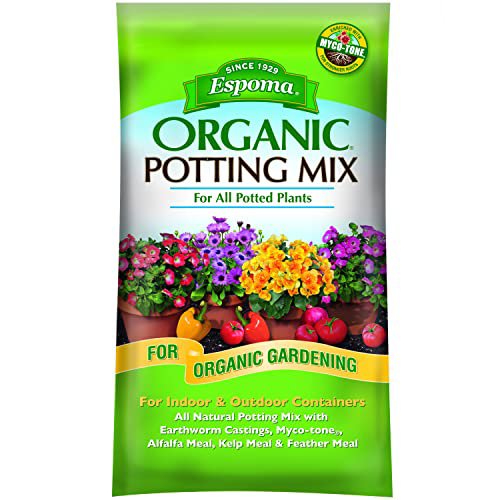
2 Repot the hydrangea into a container with superior drainage, such as a Root & Vessel cylinder pot, and use a well-aerated medium like Espoma Organic Potting Soil Mix to prevent future waterlogging.
3 Ensure the plant is placed in a location with adequate airflow and light to help the soil dry out between waterings, preventing the oxygen deprivation that causes leggy growth.
warning

Lack of Pruning/Deadheading

If old, spent flower heads are not removed, the plant may direct energy toward maintaining decaying tissue rather than developing sturdy new wood. Over time, this can lead to a more disorganized and 'leggy' appearance in the canopy.

Common
lightbulb
How to confirm: Inspect the ends of the stems for old, dried-out bloom structures that haven't been pruned back.
build How to fix it
shopping_cart Recommended Products
1 Use sharp pruning shears to remove spent flower heads and any dead or spindly stems to encourage new, sturdy growth.
2 Apply a balanced fertilizer to provide the energy needed for developing strong new wood and lush foliage.
3 Ensure the plant is receiving adequate sunlight, as insufficient light can contribute to stretching and leggy stems.

Other Hydrangea macrophylla Magical Green Waves problems

Your plant might also be experiencing one of these issues:

local_hospital All symptoms eco All plants with leggy stems
favorite