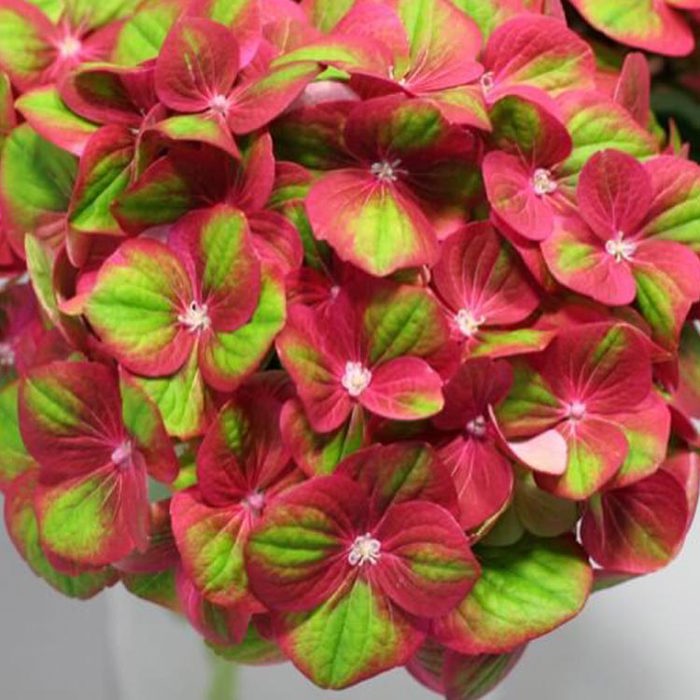
Hydrangea macrophylla Magical GreenFire Sudden Leaf Drop
eco Sudden Leaf Drop

Hydrangea macrophylla Magical GreenFire – Sudden Leaf Drop

Why does your Hydrangea macrophylla Magical GreenFire have sudden leaf drop? Diagnose the cause and fix it with our step-by-step guide.

search Possible Causes

error

Water Stress (Drought or Waterlogging)

Hydrangeas have large leaves with high transpiration rates, making them sensitive to moisture fluctuations. Sudden leaf drop is a common defense mechanism when the roots are either desiccated by drought or suffocated by anaerobic conditions from waterlogged soil.

Very Common
lightbulb
How to confirm: Stick your finger two inches into the soil to check if it is bone-dry or saturated and muddy.
build How to fix it
shopping_cart Recommended Products
1 Check the soil moisture level immediately using a moisture meter to determine if the soil is bone-dry or saturated.
2 If the soil is waterlogged, ensure the plant is in a pot with excellent drainage and consider adding perlite to the mix to improve aeration.
3 If the soil is desiccated, implement a consistent watering schedule to stabilize moisture levels, using a watering can with a precision nozzle to avoid disturbing the roots.
error

Temperature Fluctuations (Heat Stress or Frost)

Extreme heat waves or sudden late spring frosts can cause 'Magical GreenFire' to shed leaves to reduce surface area. This species is particularly sensitive to rapid shifts in ambient temperature that disrupt its metabolic processes.

Very Common
lightbulb
How to confirm: Check if recent weather patterns involved temperatures exceeding 90°F (32°C) or a sudden overnight freeze.
build How to fix it
shopping_cart Recommended Products
1 Move the plant to a sheltered location with stable temperatures to protect it from further heat waves or frost.
2 Apply a mulch layer around the base of the plant to insulate the root zone against temperature swings.
3 Use a liquid seaweed fertilizer to help the plant recover from environmental stress and boost metabolic resilience.
warning

Root Rot (Phytophthora)

If the soil stays too wet, fungal pathogens can attack the root system of the hydrangea. As roots die, they can no longer support the foliage, leading to rapid defoliation and wilting.

Common
lightbulb
How to confirm: Gently lift the edge of the root ball to see if the roots appear black, slimy, or foul-smelling.
build How to fix it
shopping_cart Recommended Products
1 Immediately inspect the soil moisture levels and ensure the plant is not sitting in stagnant water; use a moisture meter to confirm the root zone is not excessively saturated.
2 Repot the hydrangea into a well-draining medium and consider adding perlite to improve aeration and prevent future waterlogging.
3 Apply a fungicide treatment to combat the Phytophthora pathogen and protect the remaining healthy root tissue.
warning

Nutrient Deficiency (Nitrogen)

While less likely to cause 'sudden' drop than water stress, a severe lack of nitrogen can lead to chlorosis followed by leaf senescence. This is common in heavily depleted or overly acidic soils where nutrient uptake is compromised.

Common
lightbulb
How to confirm: Inspect the older leaves for yellowing (chlorosis) starting from the margins before the drop occurred.
build How to fix it
shopping_cart Recommended Products
1 Check the soil moisture levels immediately using a moisture meter to rule out water stress, which is a more common cause of sudden leaf drop.
2 Apply a nitrogen-rich organic fertilizer to replenish depleted soil nutrients and support new foliage growth.
3 Ensure the plant is in well-draining soil; consider amending the existing medium with organic matter or perlite to improve nutrient uptake and aeration.

Other Hydrangea macrophylla Magical GreenFire problems

Your plant might also be experiencing one of these issues:

local_hospital All symptoms eco All plants with sudden leaf drop
favorite