Hydrangea macrophylla Magical Kilimanjaro Leggy Stems
eco Leggy Stems

Hydrangea macrophylla Magical Kilimanjaro – Leggy Stems

Why does your Hydrangea macrophylla Magical Kilimanjaro have leggy stems? Diagnose the cause and fix it with our step-by-step guide.

search Possible Causes

error

Insufficient Light Intensity

Hydrangeas are shade-loving plants, but they require bright, filtered light to maintain compact growth. Low light levels trigger etiolation, where the plant stretches its stems toward the nearest light source to compensate.

Very Common
lightbulb
How to confirm: Observe if the internodes (the space between leaves) are unusually long and thin compared to healthy specimens.
build How to fix it
shopping_cart Recommended Products
1 Relocate your hydrangea to a spot that receives bright, filtered sunlight to prevent further stem stretching.
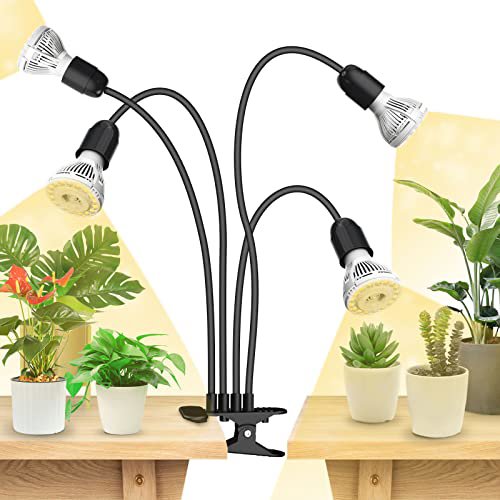
2 Supplement with a full-spectrum grow light to provide the necessary light intensity for compact growth.
3 Prune the elongated, leggy stems using sharp bypass pruners to encourage bushier, more compact growth.
error

Excessive Nitrogen Fertilization

High levels of nitrogen-rich fertilizer promote rapid, lush vegetative growth, which can lead to weak, spindly stems that lack the structural integrity to support the 'Magical Kilimanjaro' heavy blooms.

Very Common
lightbulb
How to confirm: Review your recent fertilization schedule to see if a high-nitrogen organic or synthetic fertilizer was applied recently.
build How to fix it
shopping_cart Recommended Products
1 Flush the soil with plenty of fresh, plain water to leach out excess nitrogen salts from the root zone.
2 Prune any extremely weak or spindly stems using sharp, clean shears to prevent them from breaking under the weight of blooms.
3 Transition to a more balanced or low-nitrogen fertilizer to support structural strength rather than just foliage growth.
warning

Inadequate Pruning and Deadheading

Failure to prune spent blooms or manage old wood can allow long, unmanaged stems to continue growing without structural control, leading to a 'leggy' appearance.

Common
lightbulb
How to confirm: Check if the plant has many old, woody stems from previous seasons that have not been trimmed back to encourage new, bushy growth.
build How to fix it
shopping_cart Recommended Products
1 Use sharp pruning shears to remove spent blooms and trim back leggy, unmanaged stems to encourage bushier growth and structural integrity.
2 Apply a balanced fertilizer to support new, healthy stem development and robust flowering.
3 Ensure the plant is receiving adequate sunlight, as insufficient light can exacerbate leggy growth patterns.
warning

Watering Imbalance (Inconsistent Moisture)

While leggy growth is primarily light-driven, periods of extreme moisture followed by drought can cause rapid cell elongation and weakened stem cell walls in Hydrangeas.

Common
lightbulb
How to confirm: Check the soil moisture consistency and see if the stems feel soft or structurally weak rather than just elongated.
build How to fix it
shopping_cart Recommended Products
1 Stabilize the watering schedule to ensure consistent moisture levels, avoiding the cycle of extreme drought and saturation.
2 Monitor soil moisture levels deeply with a probe to ensure the root zone remains damp but not waterlogged.
3 Increase light exposure using a full-spectrum light to prevent further cell elongation and promote sturdier stem development.

Other Hydrangea macrophylla Magical Kilimanjaro problems

Your plant might also be experiencing one of these issues:

local_hospital All symptoms eco All plants with leggy stems
favorite