Hydrangea macrophylla Magical Noblesse Leggy Stems
eco Leggy Stems

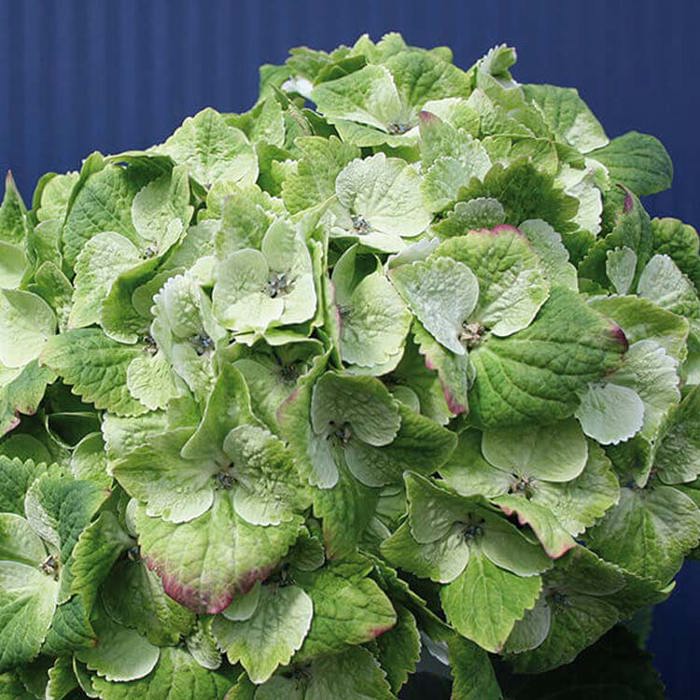
Hydrangea macrophylla Magical Noblesse – Leggy Stems

Why does your Hydrangea macrophylla Magical Noblesse have leggy stems? Diagnose the cause and fix it with our step-by-step guide.

search Possible Causes

error

Insufficient Light Intensity

Hydrangeas are shade-loving plants, but if they do not receive enough filtered sunlight, the stems will undergo etiolation, stretching rapidly toward any available light source. This results in long, weak, and spindly internodes.

Very Common
lightbulb
How to confirm: Observe if the plant is leaning significantly toward a window or if the leaves are noticeably smaller and paler than usual.
build How to fix it
shopping_cart Recommended Products
1 Relocate your Hydrangea to a spot that receives bright, filtered sunlight to prevent further stretching of the stems.
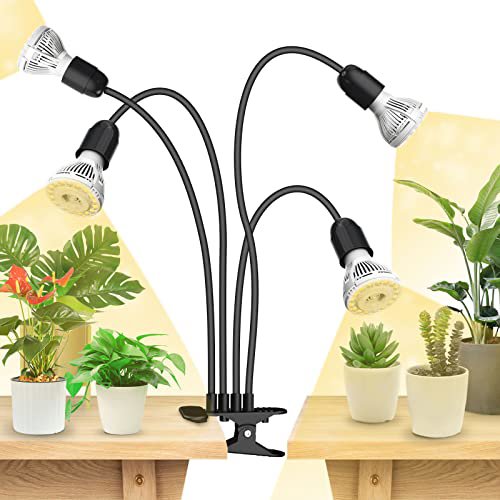
2 Supplement with a full-spectrum grow light to provide the necessary light intensity for sturdy growth.
3 Prune the long, weak stems back to a healthier height to encourage bushier growth and more compact internodes.
error

Excessive Nitrogen Fertilization

High levels of nitrogen-rich fertilizer promote rapid vegetative growth, which can lead to lush but structurally weak 'leggy' stems in 'Noblesse'. This growth lacks the necessary lignification to support the heavy flower heads characteristic of this cultivar.

Very Common
lightbulb
How to confirm: Check your recent fertilizer usage and look for dark green, soft foliage paired with rapid stem elongation.
build How to fix it
shopping_cart Recommended Products
1 Flush the soil with plenty of fresh water to leach out excess nitrogen salts from the root zone.
2 Switch to a fertilizer with a lower nitrogen ratio or a balanced formula to encourage stronger stem development and lignification.
3 Prune any extremely weak or elongated stems to prevent them from breaking under the weight of future blooms.
warning

Improper Pruning Regimen

If the plant is not pruned to manage its structure, older stems can become overly elongated and woody. Frequent removal of lateral buds or failing to prune after flowering can allow main stems to stretch out without bushy lateral branching.

Common
lightbulb
How to confirm: Examine the stem nodes to see if there are any dormant lateral buds that failed to develop into branches.
build How to fix it
shopping_cart Recommended Products
1 Prune the elongated, woody stems using sharp, clean shears to encourage new lateral growth and a bushier structure.
2 Apply a balanced fertilizer to support the development of new, healthy stems and lush foliage.
3 Ensure the plant receives adequate sunlight to prevent further stretching and promote compact growth.
warning

Overwatering and Root Stress

Constant wet soil can lead to shallow root systems that cannot anchor a heavy hydrangea structure. This instability often causes the plant to appear as though it is 'stretching' or collapsing due to lack of structural support from the roots.

Common
lightbulb
How to confirm: Stick your finger two inches into the soil; if it remains muddy even when the top layer feels dry, the roots may be struggling.
build How to fix it
shopping_cart Recommended Products
1 Reduce watering frequency and allow the top inch of soil to dry out before watering again to prevent further root rot.
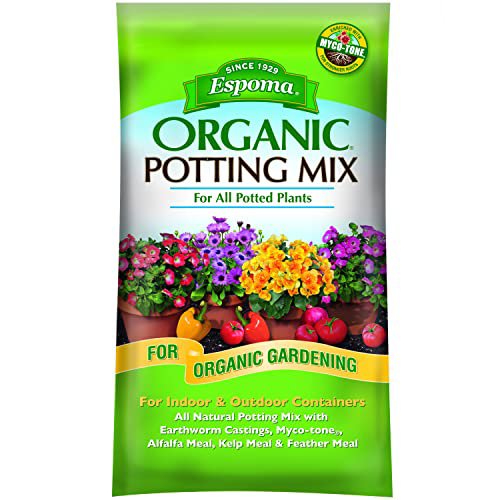
2 Repot the hydrangea into a container with better drainage and a fresh, well-aerated medium like Espoma Organic Potting Soil Mix to encourage deeper root development.
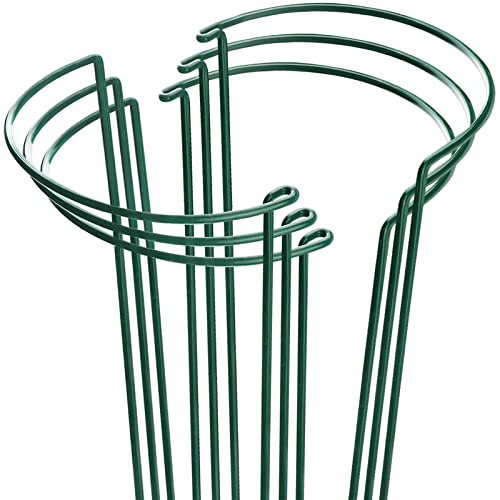
3 Provide physical support to the heavy, leggy stems using plant stakes to prevent the plant from collapsing while the root system recovers.

Other Hydrangea macrophylla Magical Noblesse problems

Your plant might also be experiencing one of these issues:

local_hospital All symptoms eco All plants with leggy stems
favorite