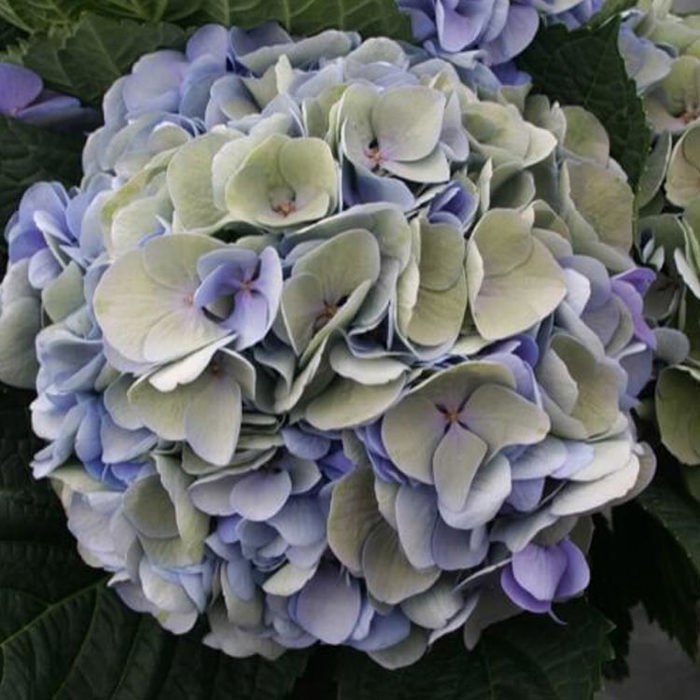
Hydrangea macrophylla Magical Opal Sudden Leaf Drop
eco Sudden Leaf Drop

Hydrangea macrophylla Magical Opal – Sudden Leaf Drop

Why does your Hydrangea macrophylla Magical Opal have sudden leaf drop? Diagnose the cause and fix it with our step-by-step guide.

search Possible Causes

error

Environmental Stress (Temperature Fluctuations)

Hydrangea macrophylla is highly sensitive to rapid changes in temperature, especially sudden cold snaps or extreme heat waves. These shifts trigger a stress response where the plant sheds leaves to conserve moisture and energy.

Very Common
lightbulb
How to confirm: Check if there has been a recent significant drop in nighttime temperatures or an unexpected heat spike in your area.
build How to fix it
shopping_cart Recommended Products
1 Stabilize the plant's environment by moving it to a sheltered location away from cold drafts or intense direct heat to prevent further temperature shocks.
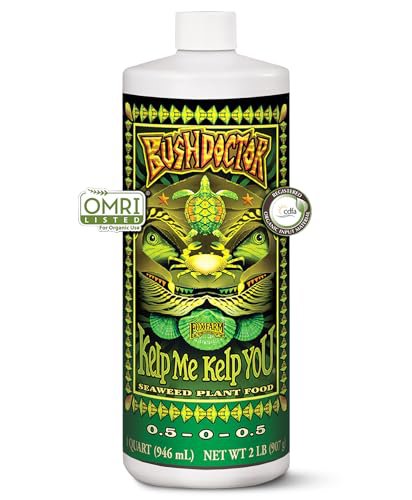
2 Apply a liquid seaweed fertilizer to help the plant recover from physiological stress and boost its natural resilience.
3 Mulch the base of the plant with organic matter to insulate the root zone against future temperature fluctuations.
error

Water Stress (Drought or Overwatering)

Hydrangeas have large, thin leaves with high transpiration rates; inconsistent soil moisture leads to wilting and subsequent leaf drop. Both bone-dry soil and waterlogged roots (causing root rot) will cause the plant to shed foliage to survive.

Very Common
lightbulb
How to confirm: Stick your finger two inches into the soil to check if it is extremely dry or excessively saturated and muddy.
build How to fix it
shopping_cart Recommended Products
1 Check the soil moisture level at the root zone using a moisture meter to determine if the plant is suffering from drought or waterlogging.
2 If the soil is bone-dry, thoroughly soak the plant; if the soil is waterlogged, ensure the pot has excellent drainage and allow the top inch of soil to dry before next watering.
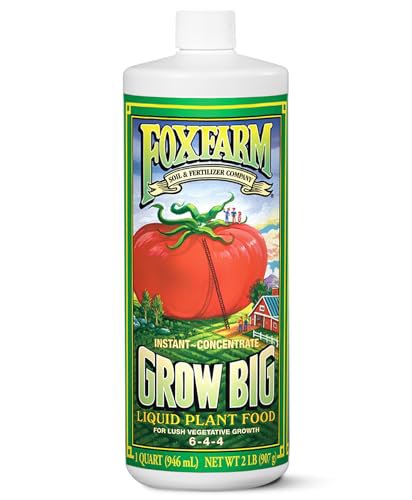
3 To help the plant recover from stress, apply a balanced liquid fertilizer to encourage new growth once stable moisture levels are restored.
warning

Fungal Pathogen (Phytophthora Root Rot)

Oomycetes like Phytophthora thrive in heavy, poorly draining soils common for Hydrangeas. This pathogen attacks the root system, preventing water uptake and causing sudden, widespread defoliation.

Common
lightbulb
How to confirm: Examine the base of the stems and the roots for any dark, mushy, or foul-smelling decay.
build How to fix it
shopping_cart Recommended Products
1 Immediately reduce watering frequency and ensure the plant is in a well-draining container or soil to stop the spread of the pathogen.
2 Repot the plant into a fresh, highly aerated medium by mixing in horticultural perlite to improve drainage and prevent future waterlogging.
3 Apply a fungicide treatment to protect remaining healthy tissues from further fungal spread.
warning

Light Stress (Sunscald)

While 'Magical Opal' needs light, sudden exposure to intense afternoon sun without acclimation can scorch leaves. The plant may drop leaves as a mechanism to reduce the surface area exposed to damaging UV rays.

Common
lightbulb
How to confirm: Look for bleached, crispy, or brown patches on the edges of the remaining leaves.
build How to fix it
shopping_cart Recommended Products
1 Move the plant to a location with filtered light or morning sun only, protecting it from intense afternoon UV rays to prevent further leaf scorch.
2 Monitor soil moisture levels closely using a moisture meter to ensure the plant remains hydrated during this period of environmental stress.
3 Apply a light feeding of liquid seaweed fertilizer to help the plant recover from environmental stress and boost nutrient uptake.

Other Hydrangea macrophylla Magical Opal problems

Your plant might also be experiencing one of these issues:

local_hospital All symptoms eco All plants with sudden leaf drop
favorite