Hydrangea macrophylla Magical Pacific Leggy Stems
eco Leggy Stems

Hydrangea macrophylla Magical Pacific – Leggy Stems

Why does your Hydrangea macrophylla Magical Pacific have leggy stems? Diagnose the cause and fix it with our step-by-step guide.

search Possible Causes

error

Insufficient Light Exposure

Hydrangeas undergo etiolation when they stretch toward a light source to compensate for low luminosity. In 'Magical Pacific', this results in elongated, weak internodes and sparse foliage as the plant seeks more photosynthesis-capable environments.

Very Common
lightbulb
How to confirm: Observe if the stems are leaning significantly toward a window or if the plant is positioned in a deep shade area.
build How to fix it
shopping_cart Recommended Products
1 Relocate your Hydrangea to a location with brighter, filtered sunlight to stop the stretching process and encourage denser foliage.
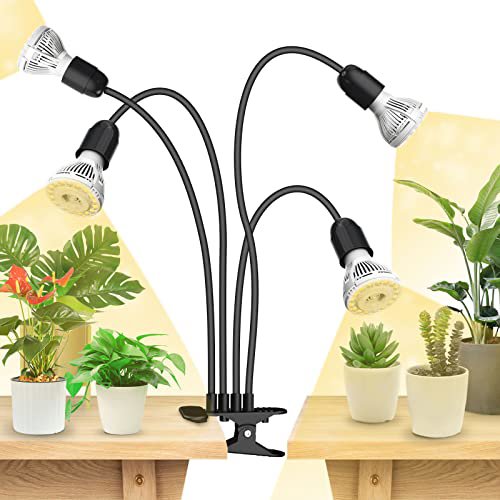
2 Supplement with a full-spectrum grow light to provide the necessary luminosity for photosynthesis, especially if natural light is limited.
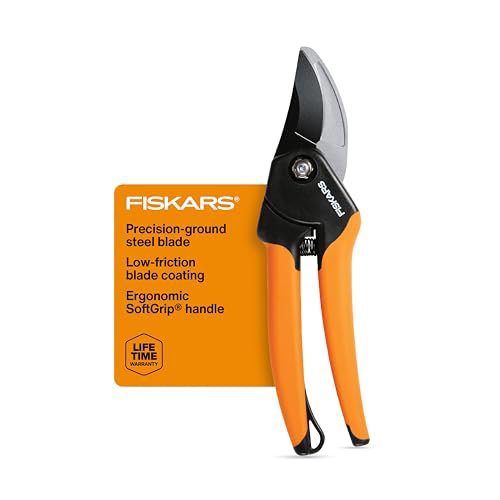
3 Prune the elongated, weak stems using sharp shears to promote bushier growth and prevent the plant from collapsing under its own weight.
error

Excessive Nitrogen Fertilization

High levels of nitrogen promote rapid vegetative growth, often leading to succulent, weak stems that lack structural integrity. This can cause the 'Magical Pacific' cultivar to lose its compact, mounded habit in favor of spindly, leggy growth.

Very Common
lightbulb
How to confirm: Review recent fertilizer applications for high N-P-K ratios and check if the new growth appears unusually dark green but soft.
build How to fix it
shopping_cart Recommended Products
1 Stop all nitrogen-rich fertilization immediately to prevent further rapid, weak growth.
2 Prune the leggy, spindly stems back to a sturdier section of the plant to encourage a more compact, mounded growth habit.
3 Flush the soil with plain, fresh water to help leach excess nitrogen salts away from the root zone.
warning

Overwatering and Root Suffocation

When soil remains saturated, oxygen levels in the root zone drop, causing root stress that prevents structural cell development. This leads to weakened stems that cannot support the weight of the hydrangea's characteristic large blooms.

Common
lightbulb
How to confirm: Insert your finger two inches into the soil to see if it remains muddy even when the top layer feels dry.
build How to fix it
shopping_cart Recommended Products
1 Immediately check the soil moisture levels to ensure the root zone is not staying saturated; use a moisture meter to detect deep-seated water retention.
2 Repot the hydrangea into a container with superior drainage and refresh the medium with a well-aerating mix containing perlite to prevent future root suffocation.
3 Ensure the plant is in a location with adequate airflow and light to help the soil dry out between waterings and strengthen the stems.
warning

Improper Pruning Regimen

If the plant has been allowed to grow for multiple seasons without thinning or deadheading, old wood can accumulate excessive weight. This leads to a 'leggy' appearance as the base of the plant becomes woody and less dense.

Common
lightbulb
How to confirm: Inspect the center of the bush to see if there is a buildup of thick, unproductive older stems.
build How to fix it
shopping_cart Recommended Products
1 Use sharp, clean pruning shears to remove old, woody stems and thin out the center of the plant to improve airflow and density.
2 Deadhead spent blooms to prevent the plant from putting excessive energy into seed production, which helps maintain a fuller shape.
3 Apply a balanced fertilizer to support new, vigorous growth following the pruning process.

Other Hydrangea macrophylla Magical Pacific problems

Your plant might also be experiencing one of these issues:

local_hospital All symptoms eco All plants with leggy stems
favorite