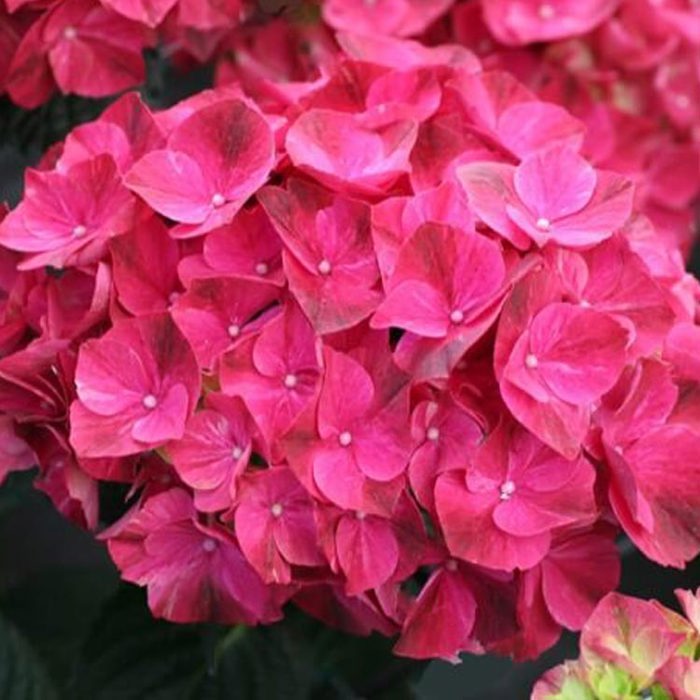
Hydrangea macrophylla Magical Pink Ruby Drooping Leaves
eco Drooping Leaves

Hydrangea macrophylla Magical Pink Ruby – Drooping Leaves

Why does your Hydrangea macrophylla Magical Pink Ruby have drooping leaves? Diagnose the cause and fix it with our step-by-step guide.

search Possible Causes

error

Water Stress (Underwatering or Drought)

Hydrangeas are known as 'water hogs' due to their large, thin leaves with high transpiration rates. When soil moisture is insufficient, the plant rapidly loses turgor pressure, causing visible wilting/drooping.

Very Common
lightbulb
How to confirm: Stick your finger two inches into the soil; if it feels bone dry, the plant is likely dehydrated.
build How to fix it
shopping_cart Recommended Products
1 Immediately check the soil moisture level using a moisture meter to confirm the depth of the drought.
2 Thoroughly soak the soil with a watering can to ensure water reaches the deep root zone, replenishing turgor pressure.
3 Apply a layer of organic mulch or sphagnum moss around the base of the plant to help retain soil moisture and prevent future evaporation.
error

Root Rot (Overwatering)

While they love moisture, constant saturated soil deprives roots of oxygen, leading to fungal decay. Damaged roots cannot transport water to the leaves, causing a paradox where the plant looks wilted despite wet soil.

Very Common
lightbulb
How to confirm: Check if the soil is soggy and smell for a sour, decaying odor near the base of the stem.
build How to fix it
shopping_cart Recommended Products
1 Immediately stop watering and allow the soil to dry out significantly to restore oxygen to the root zone.
2 Repot the hydrangea into a fresh, well-draining medium and ensure the container has adequate drainage to prevent future water pooling.
3 Prune away any mushy, blackened, or foul-smelling roots using sterilized shears to prevent the spread of decay.
warning

Heat Stress / Transpiration Imbalance

Extreme midday temperatures can cause the 'Magical Pink Ruby' to lose water through its leaves faster than the roots can replenish it. This is often temporary and occurs during peak sunlight hours.

Common
lightbulb
How to confirm: Observe if the leaves perk up again in the cool of the evening or early morning.
build How to fix it
shopping_cart Recommended Products
1 Move the plant to a shaded area or provide temporary afternoon shade to reduce direct solar radiation and lower leaf temperature.
2 Check the soil moisture levels to ensure the roots have adequate water to support transpiration; use a moisture meter for precision.
3 Apply a consistent watering schedule and consider using a mulch or moisture-retaining substrate to help stabilize soil hydration.
warning

Phytophthora Root Rot

This soil-borne pathogen specifically attacks hydrangea root systems in poorly draining environments. It causes progressive wilting that does not respond to increased watering.

Common
lightbulb
How to confirm: Examine the roots for any dark, water-soaked lesions or a slimy texture.
build How to fix it
shopping_cart Recommended Products
1 Immediately inspect the root system for mushy, dark brown, or foul-smelling roots and prune away any decayed tissue using sterilized tools.
2 Repot the plant into a fresh, well-draining medium and ensure the container has excellent drainage to prevent water pooling.
3 Amend the new soil with horticultural perlite to increase aeration and prevent the anaerobic conditions that favor Phytophthora.

Other Hydrangea macrophylla Magical Pink Ruby problems

Your plant might also be experiencing one of these issues:

local_hospital All symptoms eco All plants with drooping leaves
favorite