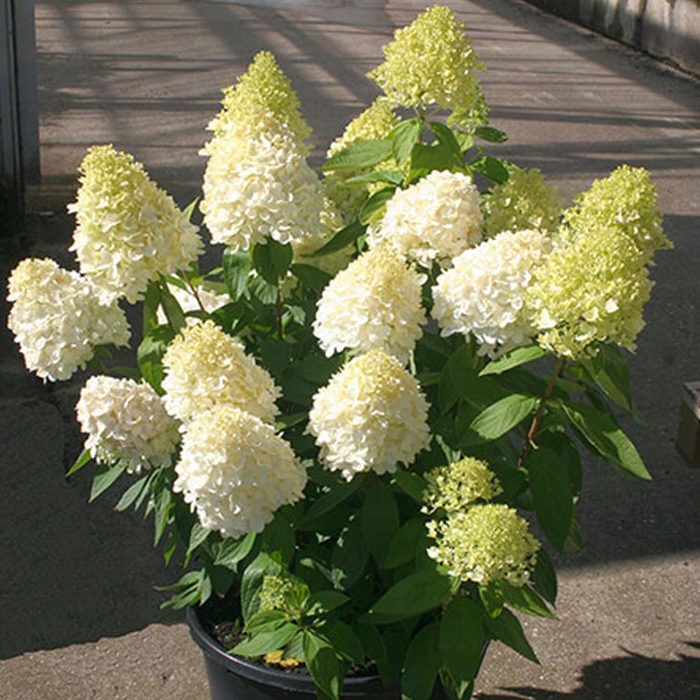
Hydrangea paniculata Magical Summer Yellow Leaves
eco Yellow Leaves

Hydrangea paniculata Magical Summer – Yellow Leaves

Why does your Hydrangea paniculata Magical Summer have yellow leaves? Diagnose the cause and fix it with our step-by-step guide.

search Possible Causes

error

Nitrogen Deficiency

Panicle hydrangeas require significant nitrogen for lush foliage; a lack of available nitrogen causes older leaves to lose chlorophyll, turning them pale yellow.

Very Common
lightbulb
How to confirm: Observe if the yellowing starts on the oldest, bottom leaves while the new growth remains green.
build How to fix it
shopping_cart Recommended Products
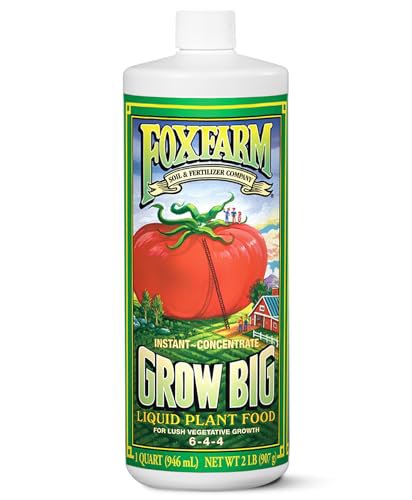
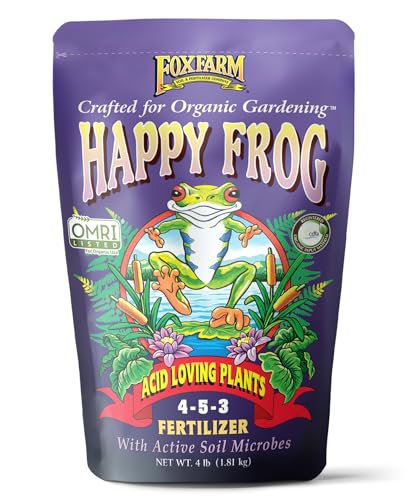
1 Apply a nitrogen-rich organic fertilizer to restore chlorophyll production and green up the foliage.
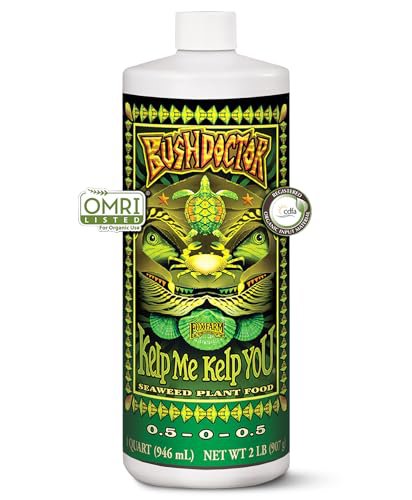
2 Supplement with a liquid seaweed fertilizer to boost nutrient uptake and support overall plant vigor.
3 Ensure the plant is in well-draining soil to prevent nitrogen leaching from excess watering.
error

Overwatering and Root Hypoxia

Magical Summer hydrangeas are sensitive to waterlogged soil; excessive moisture suffocates the roots, leading to chlorosis as the plant can no longer transport nutrients.

Very Common
lightbulb
How to confirm: Stick your finger two inches into the soil to see if it feels saturated or smells sour/musty.
build How to fix it
shopping_cart Recommended Products
1 Immediately stop watering and allow the soil to dry out significantly to restore oxygen to the root zone.
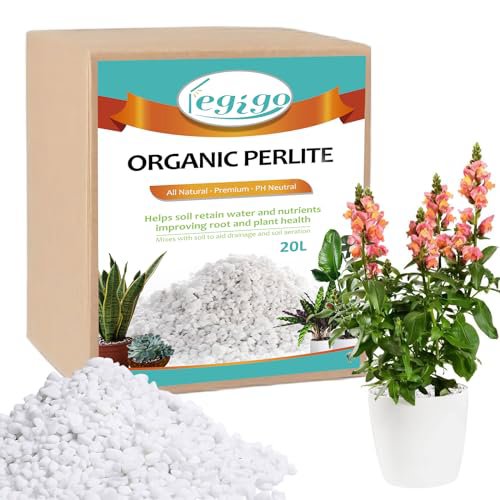
2 Repot the plant into a well-draining medium by mixing in horticultural perlite to improve aeration and prevent future waterlogging.
3 Ensure the plant is in a container with adequate drainage and use a saucer to catch excess water, but do not let the pot sit in standing water.
warning

Iron Chlorosis (pH Imbalance)

If the soil pH is too high (alkaline), this hydrangea cannot absorb iron, resulting in distinct yellow leaves with dark green veins.

Common
lightbulb
How to confirm: Check if the yellowing pattern shows prominent green veins against a yellow leaf background (interveinal chlorosis).
build How to fix it
shopping_cart Recommended Products
1 Test your soil pH immediately to confirm alkalinity; for Hydrangeas, you want a more acidic environment (pH 5.2 to 6.2) to ensure iron availability.
2 Apply an acidifying soil amendment or a specialized fertilizer to lower the pH and provide accessible nutrients.
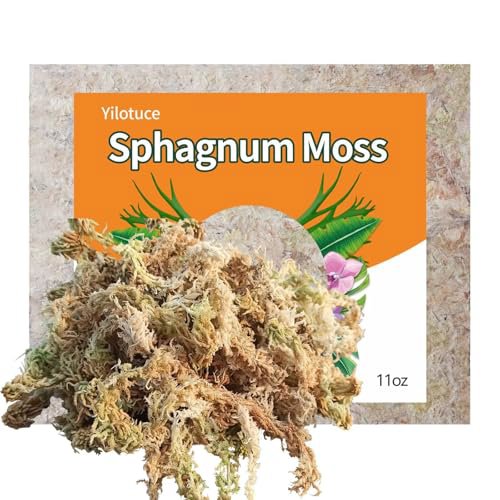
3 Amend the existing soil with organic matter like sphagnum moss to help naturally lower the pH and improve nutrient uptake.
warning

Underwatering / Drought Stress

As a cultivar that prefers consistent moisture, extreme drought can cause the plant to shed chlorophyll and produce yellowed, crispy leaves to conserve energy.

Common
lightbulb
How to confirm: Check if the soil is pulling away from the edges of the pot or looks dusty and bone-dry.
build How to fix it
shopping_cart Recommended Products
1 Check the soil moisture level immediately using a moisture meter to confirm if the root zone is truly dry.
2 Deeply water the plant to ensure the moisture reaches the entire root ball, and consider using a pebble tray or saucer to maintain humidity.
3 Apply a liquid seaweed fertilizer to help the plant recover from environmental stress and boost nutrient uptake.

Other Hydrangea paniculata Magical Summer problems

Your plant might also be experiencing one of these issues:

local_hospital All symptoms eco All plants with yellow leaves
favorite