Why does your Hydrangea petiolaris have drooping leaves? Diagnose the cause and fix it with our step-by-step guide.
As a climbing vine, Hydrangea petiolaris has a relatively high transpiration rate. When the substrate dries out completely, the plant loses turgor pressure in its large leaves, causing visible wilting.
Excessive moisture in poorly draining soil deprives the roots of oxygen, leading to fungal pathogens like Phytophthora. This damages the root system's ability to transport water upward, resulting in drooping symptoms despite wet soil.
High afternoon temperatures can cause the leaves to wilt as a defense mechanism to reduce surface area for evaporation. This is common if the climbing hydrangea is positioned in direct, intense sunlight without enough shade.
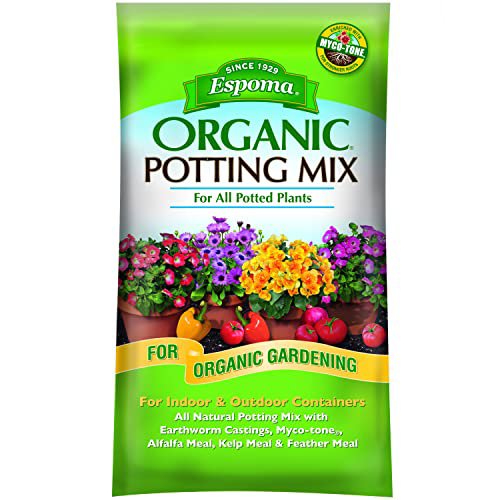
If growing in a pot, the root mass may have become so dense that there is insufficient medium left to hold moisture for the vine's foliage. This leads to rapid dehydration cycles.
Your plant might also be experiencing one of these issues:

 English
 Italiano