Kalanchoe blossfeldiana Hot Pink Brown Leaf Tips
eco Brown Leaf Tips

Kalanchoe blossfeldiana Hot Pink – Brown Leaf Tips

Why does your Kalanchoe blossfeldiana Hot Pink have brown leaf tips? Diagnose the cause and fix it with our step-by-step guide.

search Possible Causes

error

Salt and Mineral Buildup

Kalanchoe are sensitive to accumulated salts from tap water or excess fertilizers, which causes osmotic stress and results in necrotic brown tips. This is particularly common when using hard water with high calcium or fluoride content.

Very Common
lightbulb
How to confirm: Check if you have recently applied fertilizer or if your tap water has a strong mineral odor/white crust on the pot edges.
build How to fix it
shopping_cart Recommended Products
1 Flush the soil thoroughly with distilled or rainwater to leach out accumulated mineral salts and fluoride.
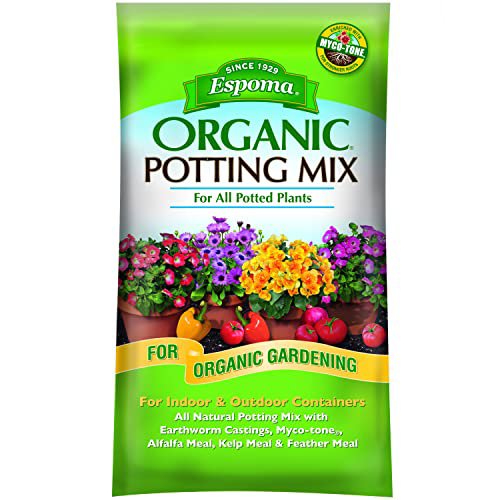
2 Repot the plant in fresh, well-draining potting mix to provide a clean environment free of existing salt deposits.
3 Use a moisture meter to ensure you are not overwatering, which can exacerbate salt-induced osmotic stress.
error

Low Humidity / Dehydration

While Kalanchoe are succulents, extremely dry indoor air can cause the leaf margins and tips to desiccate. This often occurs when the plant is placed near heating vents or in air-conditioned environments.

Very Common
lightbulb
How to confirm: Observe if the brown tips feel brittle and dry to the touch compared to the rest of the leaf.
build How to fix it
shopping_cart Recommended Products
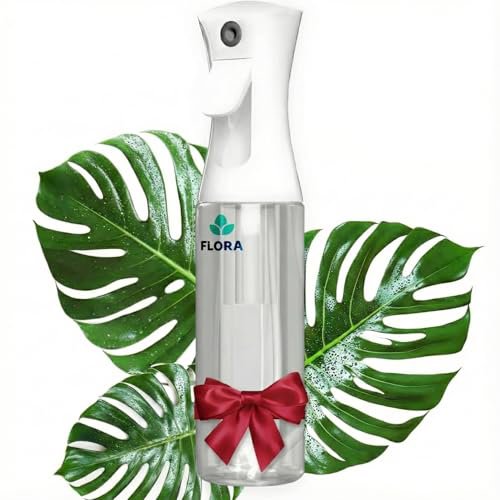
1 Increase local humidity around the plant by using a pebble tray or a fine misting spray bottle to prevent further tip desiccation.
2 Monitor soil moisture levels closely with a moisture meter to ensure the plant is hydrated without being overwatered.
3 Relocate the plant away from direct drafts, heating vents, or air conditioning units that contribute to dry air.
warning

Improper Watering (Inconsistent Moisture)

Allowing the soil to stay bone-dry for too long followed by heavy watering can stress the succulent tissues. This fluctuation disrupts the plant's ability to regulate water in its fleshy leaves.

Common
lightbulb
How to confirm: Insert a finger into the soil to see if it has been completely dry for much longer than the typical 2-3 day interval.
build How to fix it
shopping_cart Recommended Products
1 Monitor soil moisture levels closely using an analog meter to ensure the soil is allowed to dry out between waterings, preventing the cycle of bone-dry periods and heavy saturation.
2 Establish a consistent watering schedule, watering only when the top inch of soil feels dry to the touch, and ensure the pot has excellent drainage to prevent water from pooling.
3 If the plant is in a pot without drainage, repot it in a container with a drainage hole and use a well-draining succulent or cactus mix to maintain stable moisture levels.
warning

Root Damage (Early Stage Root Rot)

While root rot typically presents as yellowing, the initial stage of oxygen deprivation due to compacted, wet soil can cause tip necrosis. This prevents the roots from effectively transporting water to the furthest extremities of the leaf.

Common
lightbulb
How to confirm: Gently lift the plant from its pot to check if the roots are firm and white or dark and slimy.
build How to fix it
shopping_cart Recommended Products
1 Inspect the roots for mushy, dark brown, or foul-smelling decay and trim away any damaged sections using sterilized tools.
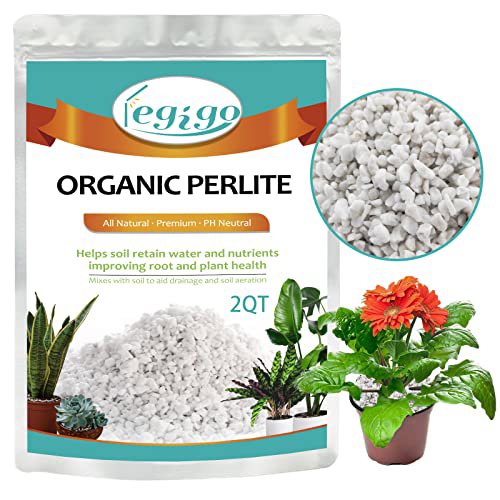
2 Repot the plant in a fresh, well-draining medium and incorporate perlite to increase soil aeration and prevent future compaction.
3 Use a moisture meter to monitor the soil and ensure you only water when the top inch of soil is completely dry to avoid further oxygen deprivation.

Other Kalanchoe blossfeldiana Hot Pink problems

Your plant might also be experiencing one of these issues:

local_hospital All symptoms eco All plants with brown leaf tips
favorite