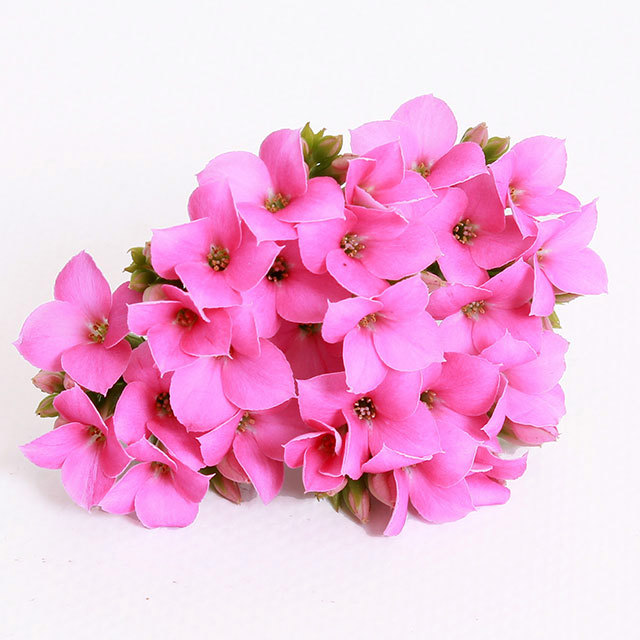
Why does your Kalanchoe Passion Castalia have tiny black flies? Diagnose the cause and fix it with our step-by-step guide.
The tiny black flies are likely the adult stage of fungus gnats, which thrive in the moist, organic-rich soil preferred by Kalanchoe. Their larvae feed on decaying organic matter and can damage the delicate root hairs of your Passion Kalanchoe.
Kalanchoe Passion Castalia is a succulent that requires well-draining soil; constant moisture attracts gnats by providing a breeding ground for larvae. Excess water also leads to root rot, which creates the decaying organic matter these flies feed on.
If your potting medium contains too much peat moss or compost, it provides an ideal nutrient source for fly larvae. Kalanchoes perform best in gritty, low-nutrient substrates that dry out quickly.
Your plant might also be experiencing one of these issues:

 English
 Italiano