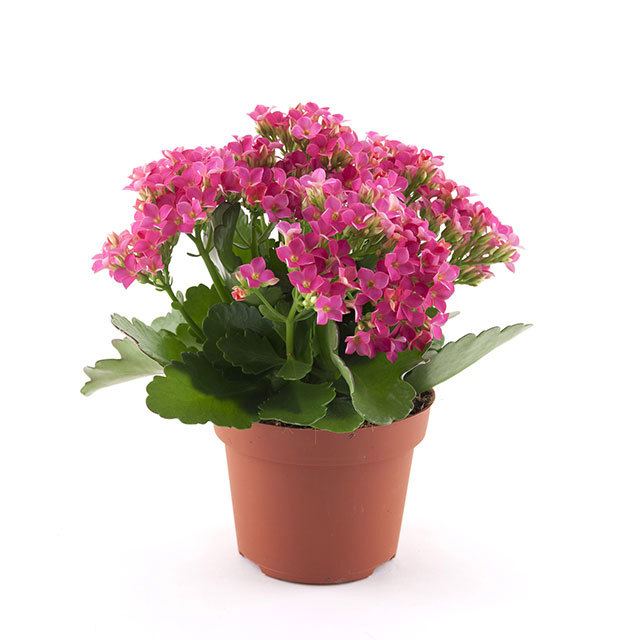
Why does your Kalanchoe Passion Nilus have white cottony spots? Diagnose the cause and fix it with our step-by-step guide.
These sap-sucking insects produce a white, waxy, cottony secretion to protect themselves while feeding on the fleshy leaves and stems of your Kalanchoe. They often cluster in the crevices between leaf nodes or near the base of the plant.
This fungal pathogen manifests as white, flour-like patches on the leaf surfaces, often appearing when humidity is high or airflow is poor around the succulent foliage. Unlike insects, it looks like a surface coating rather than distinct tufts.
While less common in succulents, high moisture levels on Kalanchoe petals or leaves can trigger Botrytis, which presents as fuzzy, greyish-white growth. This usually occurs if the plant is watered from above, leaving moisture trapped in leaf junctions.
Your plant might also be experiencing one of these issues:

 English
 Italiano