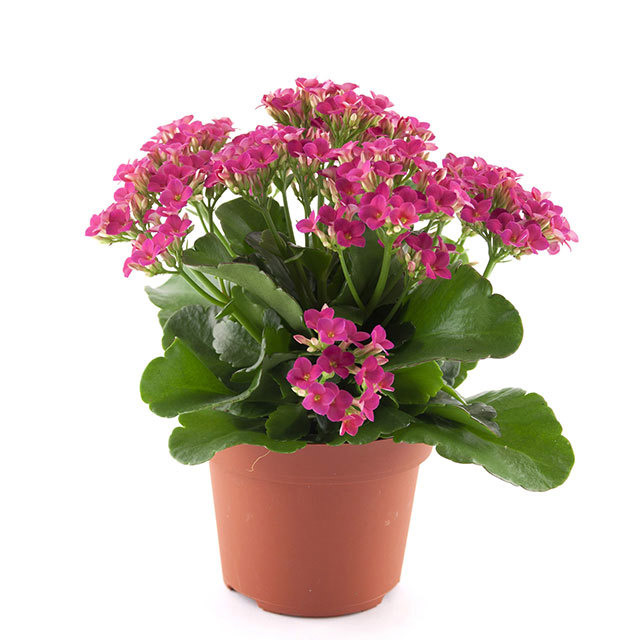
Why does your Kalanchoe Passion Thalia have white cottony spots? Diagnose the cause and fix it with our step-by-step guide.
These small, soft-bodied insects secrete a white, waxy, cottony substance to protect themselves while feeding on the sap of Kalanchoe stems and leaves. They often cluster in the crevices where the leaf meets the stem.
This fungal disease manifests as a white, flour-like coating on the leaf surfaces, often appearing when humidity is high or airflow is poor around the succulent foliage. It can eventually cause the leaves to yellow and drop.
In high-moisture environments, Botrytis can cause greyish-white fuzzy patches on decaying organic matter or succulent leaves of the Kalanchoe. This is usually accompanied by soft, water-soaked lesions.
Your plant might also be experiencing one of these issues:

 English
 Italiano

