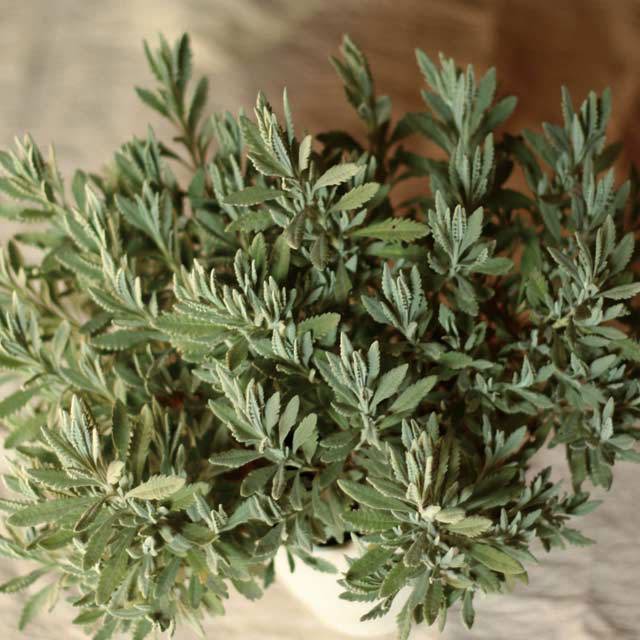
Lavandula spica Leggy Stems
eco Leggy Stems

Lavandula spica – Leggy Stems

Why does your Lavandula spica have leggy stems? Diagnose the cause and fix it with our step-by-step guide.

search Possible Causes

error

Insufficient Light Exposure

Lavender requires full sun (at least 6-8 hours daily) to maintain compact growth; low light triggers etiolation, where stems stretch rapidly to reach a light source.

Very Common
lightbulb
How to confirm: Observe if the plant is positioned in a shaded area or indoors away from direct sunlight.
build How to fix it
shopping_cart Recommended Products
1 Move your lavender to a location that receives at least 6 to 8 hours of direct sunlight daily to prevent further stretching.
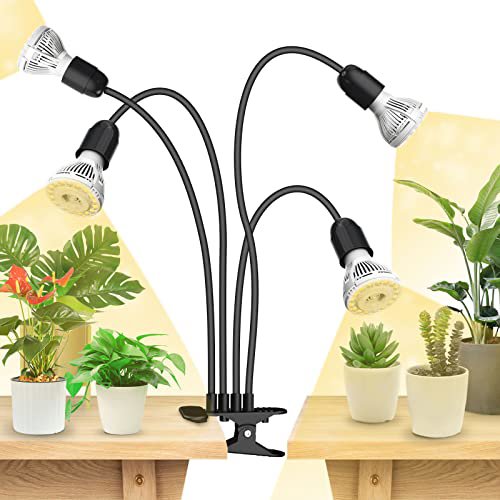
2 Supplement with a full-spectrum grow light to provide the necessary intensity for compact growth if natural sunlight is insufficient.
3 Prune the elongated, leggy stems using sharp, clean shears to encourage bushier growth and better airflow.
error

Excessive Nitrogen Fertilization

High nitrogen levels promote rapid, succulent vegetative growth at the expense of structural integrity and essential oil production, leading to weak, spindly stems.

Very Common
lightbulb
How to confirm: Check if you have recently applied a fertilizer with a high first number (N) in the N-P-K ratio.
build How to fix it
shopping_cart Recommended Products
1 Flush the soil with plenty of fresh, filtered water to leach out excess nitrogen salts from the root zone.
2 Prune back the long, spindly stems to encourage denser, woodier growth and improve structural integrity.
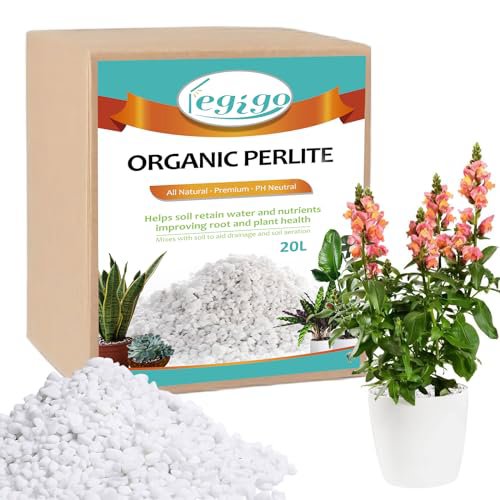
3 Repot the lavender in a well-draining, low-nutrient medium like a mix containing perlite to prevent future nitrogen buildup.
warning

Lack of Regular Pruning

Without periodic pruning of spent flower stalks and woody stems, the plant's center becomes less dense and the outer growth becomes increasingly elongated and sparse.

Common
lightbulb
How to confirm: Check if the plant has been allowed to grow continuously for more than one full season without a haircut.
build How to fix it
shopping_cart Recommended Products
1 Use sharp pruning shears to trim back the elongated, leggy stems, making sure not to cut into the old, woody growth to avoid permanent damage.
2 Remove spent flower stalks and any dead or sparse growth to encourage a denser, more compact plant structure.
3 Ensure the plant receives plenty of direct sunlight to prevent future stretching and maintain tight, bushy foliage.
warning

Overwatering and Poor Drainage

Excessive moisture in heavy soils can lead to weak cell wall development, causing the lavender stems to lose their rigidity and appear floppy or stretched.

Common
lightbulb
How to confirm: Test the soil moisture deep near the root zone and check if the planting medium retains water for too long.
build How to fix it
shopping_cart Recommended Products
1 Immediately reduce watering frequency and ensure the plant is in a well-draining medium to prevent root rot.
2 Repot the lavender into a container with superior drainage, such as a Root & Vessel cylinder pot, using a gritty, well-aerated mix containing perlite.
3 Monitor the soil moisture levels closely using an analog meter to ensure the substrate is dry before the next watering session.
local_hospital All symptoms eco All plants with leggy stems
favorite