Lavandula Leggy Stems
eco Leggy Stems

Lavandula – Leggy Stems

Why does your Lavandula have leggy stems? Diagnose the cause and fix it with our step-by-step guide.

pets Pet Friendly

search Possible Causes

error

Insufficient Light Exposure

Lavender is a heliophyte that requires full sun; insufficient light causes etiolation, where stems stretch rapidly to reach a light source, resulting in weak, spindly growth.

Very Common
lightbulb
How to confirm: Observe if the plant is located in a shaded area or if the stems are leaning toward a specific window.
build How to fix it
shopping_cart Recommended Products
1 Move your lavender to a location that receives at least 6 to 8 hours of direct, full sunlight daily to prevent further stretching.
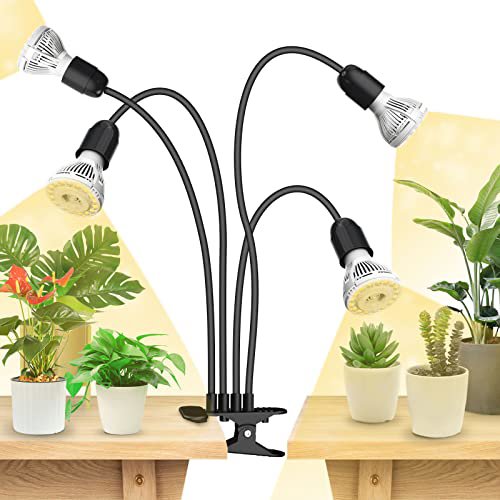
2 Supplement with a full-spectrum grow light if natural sunlight is insufficient, ensuring the light is positioned close enough to maintain compact growth.
3 Prune back the elongated, spindly stems to encourage bushier, more robust growth and improve airflow through the plant.
warning

Excessive Nitrogen Fertilization

High nitrogen levels promote rapid, lush vegetative growth at the expense of structural integrity and essential oils, leading to soft, elongated stems.

Common
lightbulb
How to confirm: Review recent fertilization history to see if a high-nitrogen organic or synthetic fertilizer was applied.
build How to fix it
shopping_cart Recommended Products
1 Flush the soil with plenty of fresh, unscented water to leach out excess nitrogen salts from the root zone.
2 Prune back the elongated, soft stems to encourage a more compact, bushy growth habit and improve airflow.
3 Transition to a balanced or low-nitrogen fertilizer, such as FoxFarm Tiger Bloom, to support flowering rather than foliage.
warning

Overwatering and Poor Drainage

While often associated with rot, consistent moisture in heavy soil can cause soft growth; the lack of stress prevents the plant from developing the woody, compact structure characteristic of Lavandula.

Common
lightbulb
How to confirm: Check if the potting medium remains damp for several days after watering or if the soil feels compacted.
build How to fix it
shopping_cart Recommended Products
1 Improve drainage by repotting the lavender in a well-draining medium, incorporating perlite or horticultural grit to prevent moisture retention.
2 Ensure the plant is in a container with adequate drainage holes and use a saucer to catch excess water, but avoid letting the pot sit in standing water.
3 Increase sunlight exposure to a full-sun location to encourage the plant to develop a more compact, woody structure.
warning

Lack of Pruning

Without regular deadheading and structural pruning, lavender naturally becomes woody and sparse at the base, creating a 'leggy' appearance as older growth persists without new lateral shoots.

Common
lightbulb
How to confirm: Inspect the base of the plant to see if there is a significant gap between the soil line and the first leafy nodes.
build How to fix it
shopping_cart Recommended Products
1 Prune the lavender by cutting back the stems by about one-third, being careful not to cut into the old, woody base where new growth cannot emerge.
2 Remove spent flower spikes (deadheading) regularly to encourage the plant to produce fresh, lateral shoots and maintain a bushy shape.
3 Ensure the plant is in a location with full sun exposure to prevent the stems from stretching toward light sources.

Other Lavandula problems

Your plant might also be experiencing one of these issues:

local_hospital All symptoms eco All plants with leggy stems
favorite