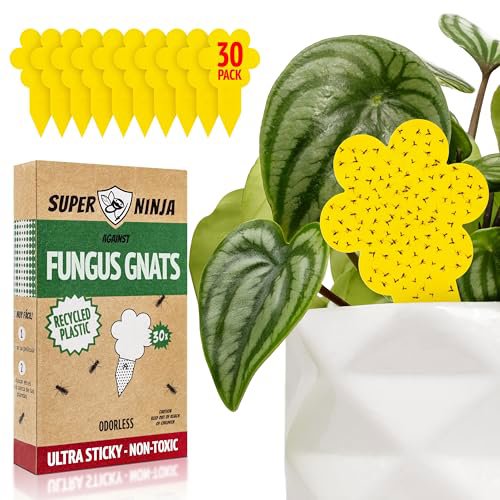
Why does your Lilium bulbiferum have fine webbing? Diagnose the cause and fix it with our step-by-step guide.
These microscopic arachnids thrive in the warm, dry conditions often experienced by Lilium bulbiferum during summer. They pierce cell walls to suck sap, leaving behind fine silk webbing as they create protective colonies on the undersides of leaves.
While thrips are more known for silvery scarring on lily petals and leaves, high-density populations can occasionally produce silk-like strands or debris that mimic fine webbing during their movement through foliage.
While predatory mites are beneficial, a sudden presence of fine webbing in lilies often indicates an explosion of prey species that has overwhelmed the natural predators in your garden.

 English
 Italiano