Lilium Esta Bonita Fine Webbing
eco Fine Webbing

Lilium Esta Bonita – Fine Webbing

Why does your Lilium Esta Bonita have fine webbing? Diagnose the cause and fix it with our step-by-step guide.

search Possible Causes

error

Two-Spotted Spider Mites (Tetranychus urticae)

These microscopic arachnids thrive in the warm, dry conditions often experienced by Lilium cultivars. They pierce the lily leaves to feed on cell contents, leaving behind fine silk webbing as they migrate across the foliage.

Very Common
lightbulb
How to confirm: Hold a white piece of paper underneath a leaf and tap it sharply to see if tiny crawling dots fall onto the paper.
build How to fix it
shopping_cart Recommended Products
1 Immediately spray the lily foliage with an organic miticide to eliminate the spider mite population and destroy any remaining eggs.
2 Increase local humidity and wipe leaves with a damp cloth to disrupt the dry environment that allows mites to thrive.
3 Monitor soil moisture levels closely to ensure the plant is not under drought stress, which can exacerbate mite infestations.
warning

Broad Mites (Polyphagotarsonemus latus)

While less known for large webs, broad mite infestations can cause stunting and distorted growth that may be accompanied by fine silken strands in tight leaf axils. They are particularly destructive to the tender new growth of Lilium bulbs.

Common
lightbulb
How to confirm: Examine the newest, most succulent leaves at the center of the lily bulb for characteristic curling or puckering.
build How to fix it
shopping_cart Recommended Products
1 Apply an organic miticide/insecticide spray to the plant, ensuring you thoroughly coat the undersides of leaves and tight leaf axils where mites hide.
2 Prune and dispose of any heavily distorted or stunted new growth to reduce the mite population and prevent further spread.
3 Monitor the plant's new growth closely using a magnifying glass to detect any further silken strands or leaf curling.
warning

Thrips Infestation

Though thrips are primarily known for silvery scarring and stippling on Lilium petals and leaves, their movement through dense foliage can sometimes drag fine silk threads or debris, mimicking a webbed appearance.

Common
lightbulb
How to confirm: Look for tiny, slender, yellowish or dark insects moving rapidly along the undersides of the lily leaves.
build How to fix it
shopping_cart Recommended Products
1 Apply an organic insecticide to eliminate the thrips population and prevent further damage to the lily petals and leaves.
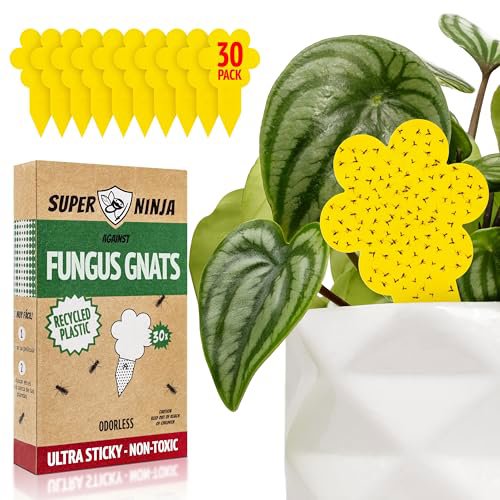
2 Use yellow sticky traps to monitor and capture adult thrips, helping to reduce the number of insects in the plant's vicinity.
3 Inspect the dense foliage closely and wipe leaves with a damp cloth to remove any silk threads or debris dragged by the pests.
local_hospital All symptoms eco All plants with fine webbing
favorite