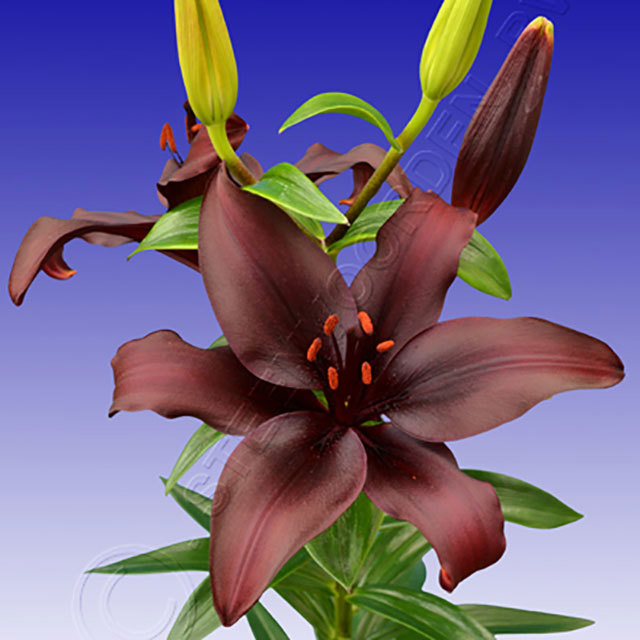
Lilium hybrid Dimension White Powder
eco White Powder

Lilium hybrid Dimension – White Powder

Why does your Lilium hybrid Dimension have white powder? Diagnose the cause and fix it with our step-by-step guide.

search Possible Causes

error

Powdery Mildew (Podosphaera lycopersici)

This fungal pathogen thrives in high humidity and moderate temperatures, creating a distinct white, flour-like coating on the leaves of Lilium hybrids. It interrupts photosynthesis by covering the leaf surface and can lead to premature leaf drop.

Very Common
lightbulb
How to confirm: Check if the white spots are superficial and can be easily rubbed off with your finger.
build How to fix it
shopping_cart Recommended Products
1 Apply an organic fungicide to the affected leaves to eliminate the fungal spores and prevent further spread.
2 Prune and dispose of heavily infected leaves to reduce the pathogen load in your garden.
3 Improve air circulation around the lilies and avoid overhead watering to lower humidity levels around the foliage.
warning

Botrytis Blight (Grey Mold)

While often associated with brown rot, early stages of Botrytis can manifest as pale or whitish fuzzy patches on lily petals and leaves, especially in humid environments. It thrives on dead or decaying organic matter near the base of the bulb.

Common
lightbulb
How to confirm: Inspect the flower buds for any signs of mushy, brownish decay underneath the white fuzz.
build How to fix it
shopping_cart Recommended Products
1 Prune and remove all infected plant parts, including any decaying organic matter at the base of the bulb, to prevent the fungus from spreading.
2 Apply an organic fungicide to the affected areas to control the spread of the mold.
3 Improve air circulation around the lilies and reduce humidity by avoiding overhead watering, which helps prevent further fungal growth.
warning

Spider Mite Infestation

A heavy infestation of two-spotted spider mites can cause a 'stippling' effect that looks like a fine white or silvery dust on the underside of the lily leaves. This is actually tiny punctures in the leaf cells caused by the mites feeding.

Common
lightbulb
How to confirm: Hold a white piece of paper under a leaf and tap it to see if tiny moving specks fall onto the paper.
build How to fix it
shopping_cart Recommended Products
1 Apply an organic miticide to eliminate the spider mite population and protect the lily leaves.
2 Increase humidity around the plant and wipe the undersides of leaves with a damp cloth to physically remove mites and webbing.
3 Monitor soil moisture levels to ensure the plant is not under drought stress, which can exacerbate mite infestations.
warning

Mineral/Salt Deposits

If you use hard water or high-nitrogen fertilizers, white crusty deposits can accumulate on the leaf surfaces and edges of the Lilium leaves. This is an abiotic issue caused by evaporation leaving minerals behind.

Common
lightbulb
How to confirm: Wipe a leaf with a damp cloth; if the white residue disappears completely without leaving scarring, it is likely mineral buildup.
build How to fix it
shopping_cart Recommended Products
1 Gently wipe the leaves with a soft, damp cloth to remove the accumulated mineral crust and prevent further buildup.
2 Flush the soil thoroughly with distilled water or rainwater to leach out excess mineral and salt deposits from the root zone.
3 Switch to a low-mineral water source and use a diluted, balanced fertilizer to prevent future salt accumulation.
local_hospital All symptoms eco All plants with white powder
favorite