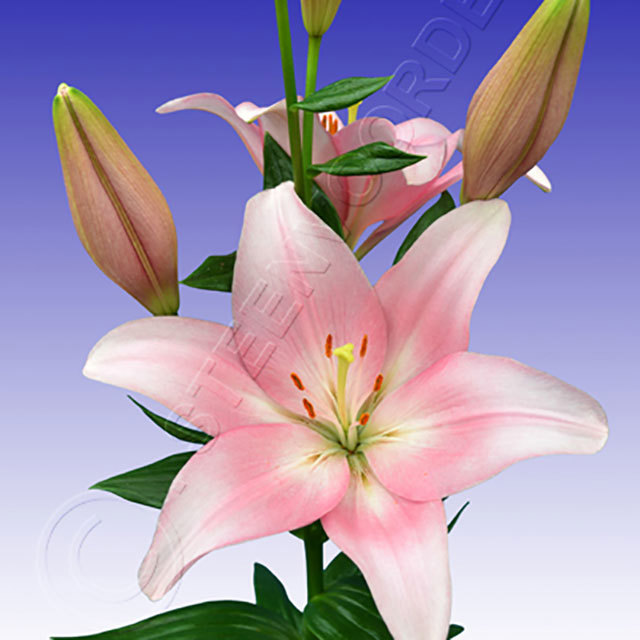
Lilium LA Hybrid Lexington White Powder
eco White Powder

Lilium LA Hybrid Lexington – White Powder

Why does your Lilium LA Hybrid Lexington have white powder? Diagnose the cause and fix it with our step-by-step guide.

search Possible Causes

error

Powdery Mildew (Podosphaera ludlowii)

This fungal pathogen thrives in high humidity and moderate temperatures, creating a characteristic white, flour-like coating on the surface of Lexington Lily leaves. It interferes with photosynthesis and can cause leaf senescence if left untreated.

Very Common
lightbulb
How to confirm: Check if the white patches are easily wiped off with your finger or appear as a fuzzy layer on the upper leaf surface.
build How to fix it
shopping_cart Recommended Products
1 Apply an organic fungicide to the affected leaves to eliminate the fungal spores and prevent further spread.
2 Prune and dispose of heavily infected leaves to reduce the fungal load on the plant, ensuring you do not compost the debris.
3 Improve air circulation around the lilies and avoid overhead watering to reduce the humidity that promotes mildew growth.
warning

Spider Mite Infestation

While not a powder itself, heavy spider mite feeding creates fine white/silvery stippling and can leave behind extremely fine webbing that looks like dust. This is common in the dry conditions that many LA hybrids prefer during summer.

Common
lightbulb
How to confirm: Hold a white piece of paper underneath a leaf and tap it to see if tiny crawling specks fall onto the paper.
build How to fix it
shopping_cart Recommended Products
1 Apply an organic miticide to eliminate the spider mite population and destroy any remaining eggs or larvae.
2 Increase local humidity and wipe leaves with a damp cloth to physically remove fine webbing and dust-like residue.
3 Monitor soil moisture levels to ensure the environment does not become too dry, which encourages mite reproduction.
warning

Botrytis Leaf Spot (Early Stage)

In certain stages, Botrytis can manifest as pale, grayish-white necrotic patches on the foliage of Lilium LA hybrids. This often occurs due to poor air circulation or moisture trapped between the dense leaves of the hybrid.

Common
lightbulb
How to confirm: Inspect the white areas for any signs of brown, water-soaked lesions developing at the center of the spots.
build How to fix it
shopping_cart Recommended Products
1 Apply an organic fungicide to the affected leaves to halt the spread of the Botrytis fungus.
2 Improve air circulation around the dense foliage and prune away any heavily infected leaves to prevent moisture from being trapped.
3 Avoid overhead watering, which can spread fungal spores, and ensure the soil surface stays dry between waterings.
local_hospital All symptoms eco All plants with white powder
favorite



