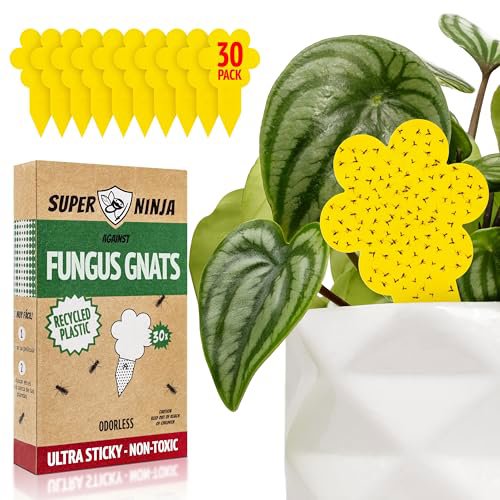
Why does your Lilium Opportunity have fine webbing? Diagnose the cause and fix it with our step-by-step guide.
Spider mites thrive in the warm, dry conditions often found around Oriental lilies. They pierce the leaf cells to feed, leaving behind fine silk webbing as they create protective colonies on the undersides of the foliage.
Thrips feed on lily tissues by rasping the surface, which can cause silvering of the leaves. In high-density populations, their movement and fecal matter can sometimes contribute to a messy, 'dusty' or web-like appearance on the flower buds.
While adults are known for eating petals, the larvae can cause structural damage and silk-like strands during their movement through leaf clusters. This can sometimes be confused with mite webbing if accompanied by leaf spotting.

 English
 Italiano