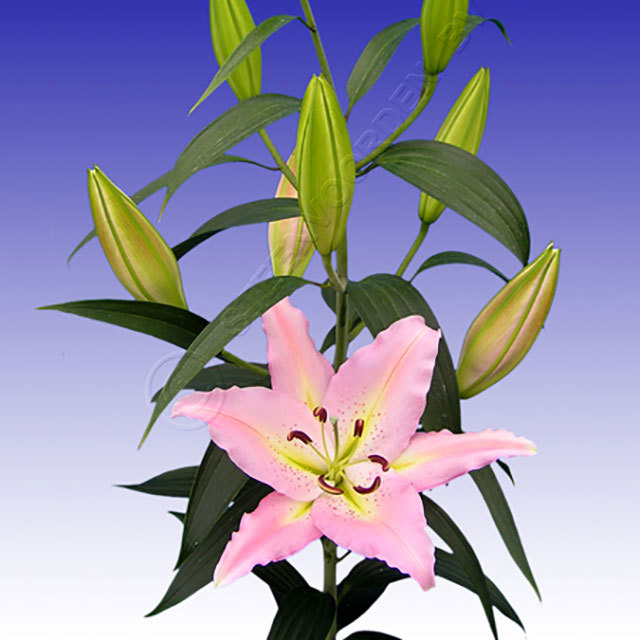
Lilium oriental Pandora Fine Webbing
eco Fine Webbing

Lilium oriental Pandora – Fine Webbing

Why does your Lilium oriental Pandora have fine webbing? Diagnose the cause and fix it with our step-by-step guide.

search Possible Causes

error

Two-Spotted Spider Mite Infestation

Spider mites thrive in the warm, dry conditions often experienced by Oriental Lilies, creating fine silken webs to protect themselves and their eggs. These pests pierce the lily's cell walls to feed, leading to stippling or yellowing of the foliage.

Very Common
lightbulb
How to confirm: Hold a white piece of paper under a leaf and tap it sharply to see if tiny moving dots fall onto the paper.
build How to fix it
shopping_cart Recommended Products
1 Immediately spray the lily with an organic miticide to kill existing spider mites, eggs, and larvae.
2 Increase humidity around the plant and ensure the soil remains moist, as spider mites thrive in dry environments.
3 Regularly monitor the undersides of leaves using a moisture meter to ensure the plant stays hydrated and the environment remains unfavorable for mites.
warning

Cyclamen Mite Infestation

While less common than spider mites, certain mite species can cause fine webbing and distortion of new growth in Lilium species. They often target the tender, developing buds and leaves of Oriental hybrids.

Common
lightbulb
How to confirm: Inspect the underside of the newest, most delicate leaves for tiny bumps or distorted growth patterns accompanied by silk.
build How to fix it
shopping_cart Recommended Products
1 Apply an organic miticide spray to the plant, ensuring you coat the undersides of leaves and developing buds to eliminate mites and their eggs.
2 Prune and dispose of any heavily distorted leaves or buds that show significant webbing to prevent the infestation from spreading to healthy growth.
3 Increase humidity around the plant by using a fine mist spray, as mites thrive in dry environments.
info

High Humidity/Fungal Webbing

In cases of extreme humidity and poor airflow around dense Lilium foliage, certain fungal structures or bacterial exudates can occasionally mimic a fine, fuzzy web appearance. This is usually accompanied by soft, water-soaked spots on the leaves.

Rare
lightbulb
How to confirm: Check if the 'webbing' is actually part of a slimy or mushy lesion on the leaf tissue rather than distinct silk strands.
build How to fix it
shopping_cart Recommended Products
1 Improve airflow around the foliage by pruning away any soft, water-soaked, or heavily affected leaves to prevent the spread of fungal structures.
2 Apply an organic fungicide to treat the suspected fungal or bacterial presence and protect healthy plant tissues.
3 Reduce local humidity by spacing plants further apart and ensuring the area is well-ventilated to prevent moisture from settling on the leaves.
local_hospital All symptoms eco All plants with fine webbing
favorite


