Lilium Oriental Patagonia Fine Webbing
eco Fine Webbing

Lilium Oriental Patagonia – Fine Webbing

Why does your Lilium Oriental Patagonia have fine webbing? Diagnose the cause and fix it with our step-by-step guide.

search Possible Causes

error

Two-Spotted Spider Mite (Tetranychus urticae)

This is the most common cause of fine webbing on Oriental Lilies. These arachnids thrive in hot, dry conditions and feed on the undersides of lily leaves, injecting toxins that create characteristic silk webs.

Very Common
lightbulb
How to confirm: Hold a white piece of paper under a leaf and tap the leaf firmly to see if tiny moving dots fall onto the paper.
build How to fix it
shopping_cart Recommended Products
1 Apply an organic insecticide or miticide to the plant, ensuring you spray the undersides of the leaves where the mites reside.
2 Increase humidity around the lily by using a fine mist spray to create an environment less favorable to spider mites.
3 Monitor soil moisture levels to ensure the plant is not suffering from drought stress, which can exacerbate mite infestations.
warning

Broad Mite (Polyphagotarsonemus latus)

While they don't produce large webs, broad mite infestations can cause leaf distortion and fine silken strands. They specifically target the tender new growth and developing buds of Lilium species.

Common
lightbulb
How to confirm: Inspect the very tips of new growth for stunted, thickened, or bronze-colored leaves.
build How to fix it
shopping_cart Recommended Products
1 Apply an organic miticide to eliminate the mites and their eggs on the tender new growth and buds.
2 Prune and carefully dispose of any heavily distorted or webbing-covered leaves and buds to prevent further spread.
3 Increase humidity around the plant, as broad mites thrive in dry conditions, and monitor with a moisture meter to ensure consistent hydration.
warning

Thrips Infestation

Thrips can sometimes leave behind very fine silk as they move through lily blooms and foliage. While primarily known for scarring petals, their movement can create subtle webbing patterns in dense clusters.

Common
lightbulb
How to confirm: Look for small, irregular silvery streaks or necrotic spots on the lily petals and leaves.
build How to fix it
shopping_cart Recommended Products
1 Apply an organic insecticide spray to the lily blooms and foliage to eliminate active thrips and prevent further damage to the petals.
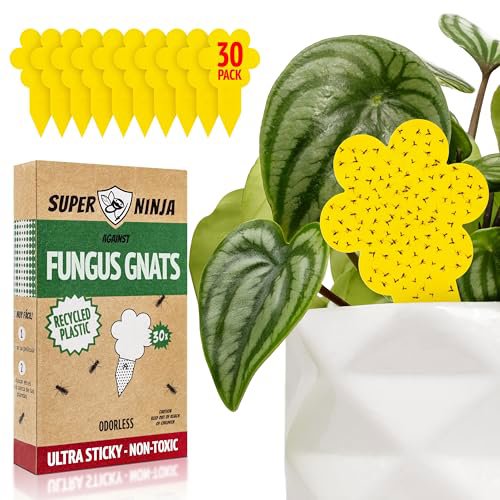
2 Place yellow sticky traps near the plant to capture adult thrips and monitor the progression of the infestation.
3 Inspect the undersides of leaves and dense flower clusters regularly for any new webbing or silver scarring.
local_hospital All symptoms eco All plants with fine webbing
favorite