Lilium orientale Marrero Yellow Leaves
eco Yellow Leaves

Lilium orientale Marrero – Yellow Leaves

Why does your Lilium orientale Marrero have yellow leaves? Diagnose the cause and fix it with our step-by-step guide.

search Possible Causes

error

Botrytis Lilianum (Lily Blight)

This fungal pathogen thrives in the humid conditions preferred by Oriental lilies. It causes foliage to turn yellow and eventually develop brown, water-soaked lesions that can lead to total leaf senescence.

Very Common
lightbulb
How to confirm: Look for small, necrotic brown spots on the yellowing leaves, especially after periods of high humidity or rain.
build How to fix it
shopping_cart Recommended Products
1 Immediately remove and destroy all infected, yellowing leaves and debris to prevent the fungal spores from spreading to healthy foliage.
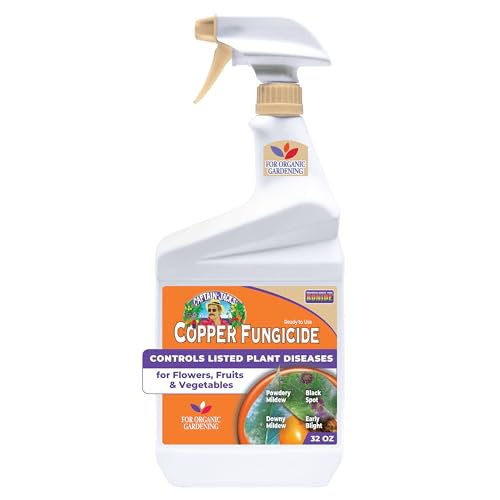
2 Apply an organic fungicide to the plant to control the spread of the blight and protect remaining healthy tissues.
3 Improve air circulation around the lilies and avoid overhead watering to reduce the humidity that allows Botrytis to thrive.
error

Improper Soil Moisture (Overwatering/Root Rot)

Oriental lilies are susceptible to bulb rot if the substrate remains saturated. Excess moisture prevents oxygen from reaching the roots, causing the plant to struggle with nutrient uptake and turning lower leaves yellow.

Very Common
lightbulb
How to confirm: Check if the soil feels soggy and inspect the base of the stem for any signs of softening or foul odors.
build How to fix it
shopping_cart Recommended Products
1 Immediately check the soil moisture level using a meter to confirm if the substrate is saturated.
2 Repot the lily in a well-draining medium, such as a mix containing perlite or orchid bark, to improve aeration and prevent bulb rot.
3 Ensure the plant is in a pot with excellent drainage and use a saucer to catch excess water, but do not let the pot sit in standing water.
warning

Nitrogen Deficiency

Lilium orientale requires significant nutrients to support their large, fragrant blooms. A lack of nitrogen causes a characteristic uniform yellowing of older leaves, starting from the bottom of the stem and moving upward.

Common
lightbulb
How to confirm: Observe if the yellowing starts specifically on the oldest, lowest leaves while newer growth remains green.
build How to fix it
shopping_cart Recommended Products
1 Apply a nitrogen-rich liquid fertilizer to the soil to quickly replenish the nutrient levels in the root zone.
2 Incorporate an organic soil amendment like worm castings into the top layer of soil to provide a slow-release source of nitrogen.
3 Monitor the soil moisture levels using a moisture meter to ensure the plant is not experiencing water stress, which can mimic nutrient deficiency symptoms.
warning

Liliaceous Mites

Tiny mites feeding on the lily's cell contents can cause chlorosis (yellowing) and stippling on the leaf surface. This stress weakens the plant and makes it more susceptible to secondary infections.

Common
lightbulb
How to confirm: Use a magnifying glass to check the underside of the yellowing leaves for tiny moving dots or fine webbing.
build How to fix it
shopping_cart Recommended Products
1 Apply an organic miticide to eliminate the mite population and prevent further feeding on leaf cells.
2 Inspect the undersides of leaves for stippling and remove heavily infested or yellowing foliage to reduce pest reservoirs.
3 Monitor soil moisture levels closely, as drought stress can exacerbate yellowing caused by pest damage.

Other Lilium orientale Marrero problems

Your plant might also be experiencing one of these issues:

local_hospital All symptoms eco All plants with yellow leaves
favorite