Lilium orientalis Brilliant Star Delight Yellow Leaves
eco Yellow Leaves

Lilium orientalis Brilliant Star Delight – Yellow Leaves

Why does your Lilium orientalis Brilliant Star Delight have yellow leaves? Diagnose the cause and fix it with our step-by-step guide.

search Possible Causes

error

Botrytis Lilianum (Lily Blight)

This fungal pathogen thrives in the humid environments preferred by Oriental lilies, causing foliage to turn yellow and eventually develop brown necrotic spots. It often begins with water-soaked lesions on the leaves during wet periods.

Very Common
lightbulb
How to confirm: Inspect the leaf surfaces for small, soft, brownish spots that may have a fuzzy gray mold underneath.
build How to fix it
shopping_cart Recommended Products
1 Remove and destroy all infected, yellowing leaves and debris to prevent the fungal spores from spreading to healthy tissue.
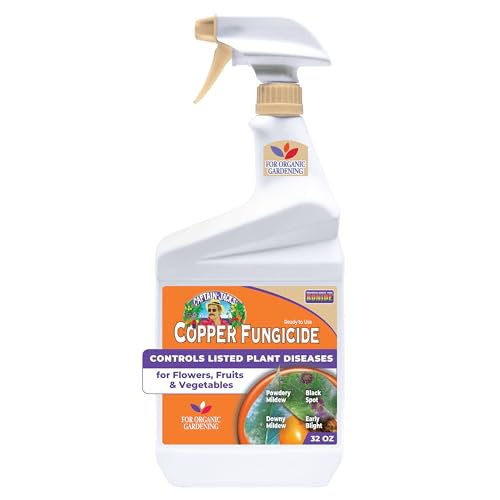
2 Apply an organic fungicide to the foliage to control the spread of the blight and protect remaining healthy leaves.
3 Improve air circulation around the plant and avoid overhead watering to reduce the humidity that allows Botrytis to thrive.
error

Overwatering and Root Rot

Oriental lilies require well-draining soil; excessive moisture causes the bulbs to suffocate and roots to decay. As root function declines, the plant cannot transport nutrients, leading to uniform yellowing of the lower leaves.

Very Common
lightbulb
How to confirm: Gently lift a portion of the bulb to see if the base feels mushy or smells of decay.
build How to fix it
shopping_cart Recommended Products
1 Immediately stop watering and allow the soil to dry out completely. Check the soil depth with a moisture meter to ensure the root zone is not staying saturated.
2 Repot the lily in a fresh, well-draining medium. Mix in perlite or horticultural perlite to improve aeration and prevent future waterlogging.
3 Inspect the roots and trim away any mushy, black, or foul-smelling decayed sections using sterilized shears.
warning

Nitrogen Deficiency

Large-flowered cultivars like 'Brilliant Star Delight' have high nutrient demands during their growth phase. A lack of nitrogen prevents chlorophyll production, manifesting as a pale yellow color starting from the older, bottom leaves.

Common
lightbulb
How to confirm: Check if the yellowing is progressing uniformly from the oldest leaves upward toward the flower stalk.
build How to fix it
shopping_cart Recommended Products
1 Apply a nitrogen-rich liquid fertilizer to boost chlorophyll production and green up the foliage.
2 Incorporate an organic soil amendment like worm castings into the top layer of soil to provide slow-release nitrogen.
3 Monitor soil moisture levels with a meter to ensure nitrogen is being effectively transported to the roots without causing waterlogging.
warning

Lilium Mosaic Virus

Viral infections can cause chlorotic (yellow) mottling and streaking on the foliage. While often slower-moving, it disrupts the plant's ability to photosynthesize effectively.

Common
lightbulb
How to confirm: Look for a mosaic pattern of light and dark green/yellow patches rather than uniform yellowing.
build How to fix it
shopping_cart Recommended Products
1 Since there is no cure for Lily Mosaic Virus, immediately prune and dispose of heavily infected leaves and stems to slow the spread to healthy tissue.
2 Sterilize all pruning tools, such as shears from the Fiskars collection, with alcohol between every cut to prevent mechanical transmission of the virus.
3 Support the remaining healthy foliage with a stake to maintain plant structure and improve airflow, which helps prevent secondary fungal infections.

Other Lilium orientalis Brilliant Star Delight problems

Your plant might also be experiencing one of these issues:

local_hospital All symptoms eco All plants with yellow leaves
favorite