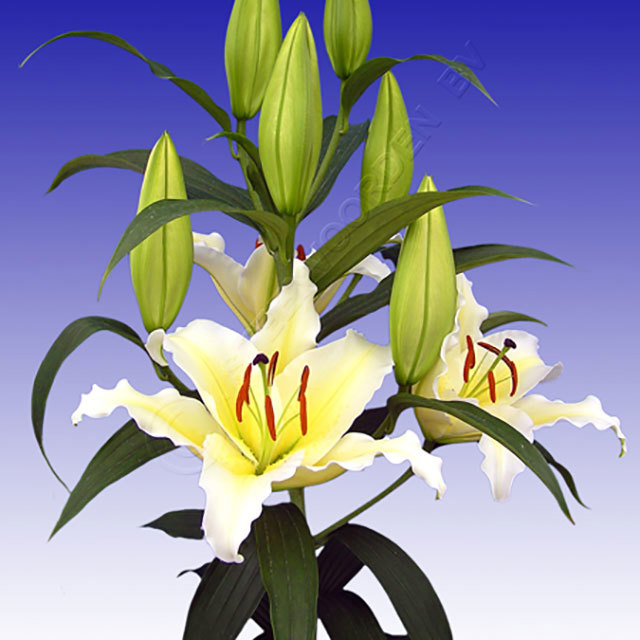
Lilium orientalis Cherbourg Yellow Leaves
eco Yellow Leaves

Lilium orientalis Cherbourg – Yellow Leaves

Why does your Lilium orientalis Cherbourg have yellow leaves? Diagnose the cause and fix it with our step-by-step guide.

search Possible Causes

error

Botrytis Lilianum (Lily Blight)

This fungal pathogen thrives in the humid conditions preferred by Oriental lilies, causing foliage to turn yellow and eventually develop brown necrotic spots. High humidity and poor air circulation around the 'Cherbourg' blooms often trigger this outbreak.

Very Common
lightbulb
How to confirm: Inspect the leaf undersides for fuzzy gray mold or water-soaked lesions.
build How to fix it
shopping_cart Recommended Products
1 Remove and destroy all infected, yellowing leaves and blighted blooms immediately to prevent the fungal spores from spreading to healthy tissue.
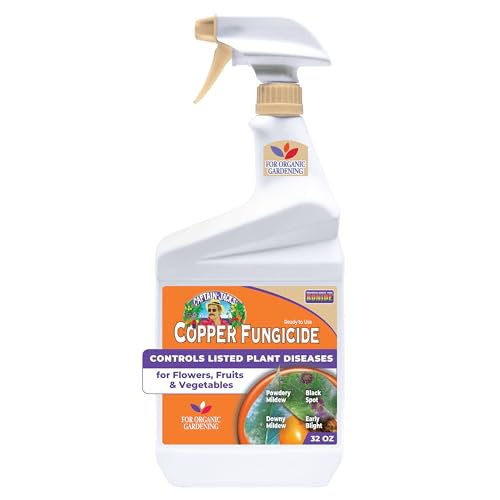
2 Apply an organic fungicide to the foliage to control the spread of the pathogen and protect remaining healthy leaves.
3 Improve air circulation around the plant and reduce humidity by spacing plants further apart and avoiding overhead watering.
error

Nutrient Deficiency (Nitrogen or Magnesium)

Oriental lilies are heavy feeders during their growth phase; a lack of nitrogen causes general chlorosis, while magnesium deficiency typically manifests as yellowing between leaf veins. This is common in exhausted bulb beds.

Very Common
lightbulb
How to confirm: Observe if the yellowing starts at the older, bottom leaves first (Nitrogen) or shows interveinal patterns (Magnesium).
build How to fix it
shopping_cart Recommended Products
1 Apply a nitrogen-rich liquid fertilizer to address general chlorosis and support lush vegetative growth.
2 Supplement with a magnesium-rich fertilizer to resolve interveinal yellowing and strengthen cell walls.
3 Monitor soil moisture levels using an analog meter to ensure the deficiency isn't being exacerbated by improper watering.
error

Overwatering and Bulb Rot

Excessive moisture in the soil leads to anaerobic conditions that cause lily roots to decay, preventing water uptake and resulting in yellowing foliage. 'Cherbourg' bulbs are particularly susceptible to rot if the soil does not drain rapidly.

Very Common
lightbulb
How to confirm: Gently dig near the bulb to check if the base of the bulb feels soft, slimy, or smells foul.
build How to fix it
shopping_cart Recommended Products
1 Immediately remove the plant from the pot and inspect the bulb for soft, mushy, or foul-smelling areas. Trim away any decayed tissue using sterilized tools.
2 Repot the lily in a fresh, well-draining medium and ensure the container has adequate drainage. Mixing in perlite or horticultural grit will improve aeration and prevent future anaerobic conditions.
3 Monitor soil moisture levels closely before every watering to ensure the bulb is never sitting in saturated soil. Use a moisture meter to detect deep-seated dampness that isn't visible on the surface.
warning

Lilium Mottle Virus (LMV)

Viral infections cause chlorotic mottling and yellowing patterns on the leaves of Oriental lilies. While often asymptomatic in early stages, it can lead to stunted growth and uneven leaf color.

Common
lightbulb
How to confirm: Look for distinct mosaic-like yellow patterns that do not follow vein structures or growth stages.
build How to fix it
shopping_cart Recommended Products
1 Remove and destroy all infected leaves and plant debris immediately to prevent the virus from spreading to healthy plants via insects or tools.
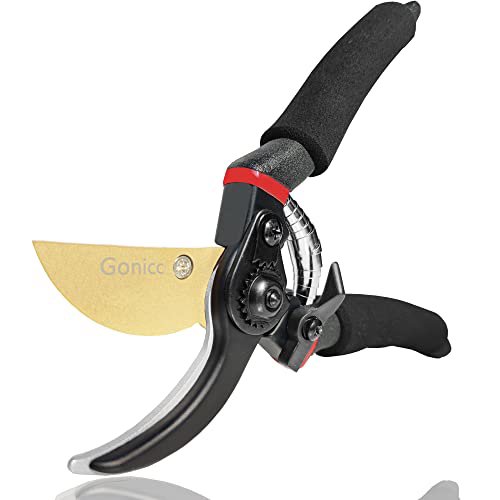
2 Sterilize all pruning shears and gardening tools with alcohol after every use to avoid mechanical transmission of the virus.
3 Monitor the plant's overall health and provide a balanced nutrient boost to help the plant maintain strength during stress.

Other Lilium orientalis Cherbourg problems

Your plant might also be experiencing one of these issues:

local_hospital All symptoms eco All plants with yellow leaves
favorite