Lilium orientalis Nova Zembla Drooping Leaves
eco Drooping Leaves

Lilium orientalis Nova Zembla – Drooping Leaves

Why does your Lilium orientalis Nova Zembla have drooping leaves? Diagnose the cause and fix it with our step-by-step guide.

search Possible Causes

error

Botrytis Lilianum (Lily Blight)

This fungal pathogen thrives in humid conditions and attacks the foliage of Oriental lilies, causing leaves to wilt, turn brown, and eventually droop. It often presents with visible greyish mold patches on the leaf surface.

Very Common
lightbulb
How to confirm: Inspect the drooping leaves for any fuzzy grey fungal growth or dark, water-soaked spots.
build How to fix it
shopping_cart Recommended Products
1 Remove and destroy all infected foliage and dead plant debris immediately to prevent the fungal spores from spreading to healthy lilies.
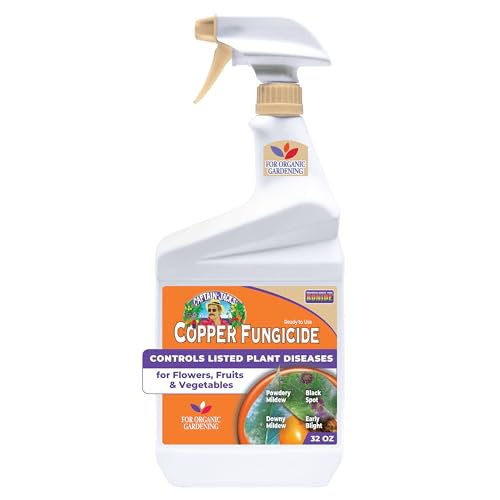
2 Apply an organic fungicide to the affected areas to control the spread of the Botrytis pathogen.
3 Improve air circulation around the plant and avoid overhead watering to reduce the humidity that allows Lily Blight to thrive.
error

Overwatering and Root Rot

Oriental lilies are sensitive to soil saturation; excessive moisture suffocates the bulbs and causes rhizome/root decay. As roots die, they can no longer transport water to the foliage, resulting in characteristic drooping.

Very Common
lightbulb
How to confirm: Feel the soil depth around the bulb; if it is soggy or smells sour, root rot is likely.
build How to fix it
shopping_cart Recommended Products
1 Immediately remove the plant from its current container and inspect the roots for mushy, dark, or foul-smelling decay; prune away any rotted sections using sterilized tools.
2 Repot the lily in a well-draining, fresh medium like a mix containing perlite or orchid bark to ensure proper aeration and prevent future saturation.
3 Use a moisture meter to monitor the soil regularly, ensuring you only water when the top inch of soil is dry to avoid repeating the overwatering cycle.
warning

Liliom Bug Imperfection (Thrips Infestation)

Thrips feed on the tender tissues of Lily petals and leaves by sucking out cell contents. This cellular damage causes the leaves to lose turgor pressure, leading to a limp, drooping appearance.

Common
lightbulb
How to confirm: Check the undersides of the leaves for tiny, slender insects or silvery, scarred patches.
build How to fix it
shopping_cart Recommended Products
1 Apply an organic insecticide to eliminate the thrips population and prevent further feeding on tender lily tissues.
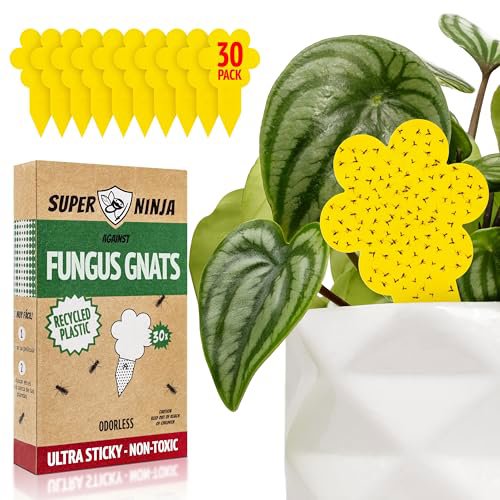
2 Inspect the plant for more pests and use yellow sticky traps to capture adult thrips and prevent further infestation.
3 Prune and dispose of heavily damaged or infested leaves to reduce the pest's habitat and prevent the spread of damage.
warning

Water Stress (Drought)

While lilies prefer moist soil, extreme drying out will cause the plant to enter a survival mode where it wilts to reduce transpiration. This is common if the 'Nova Zembla' is planted in highly porous or sandy soil.

Common
lightbulb
How to confirm: Check the moisture level of the top two inches of soil and look for crispy, dried leaf edges.
build How to fix it
shopping_cart Recommended Products
1 Check the soil moisture level immediately using a moisture meter to confirm if the root zone has reached a critical dry state.
2 Thoroughly water the plant until water drains from the bottom, ensuring the soil is sufficiently hydrated to reverse the wilting.
3 Amend the existing soil with organic matter or perlite to improve water retention and prevent future drought cycles.

Other Lilium orientalis Nova Zembla problems

Your plant might also be experiencing one of these issues:

local_hospital All symptoms eco All plants with drooping leaves
favorite