Lilium orientalis Ofuna Tiny Black Flies
eco Tiny Black Flies

Lilium orientalis Ofuna – Tiny Black Flies

Why does your Lilium orientalis Ofuna have tiny black flies? Diagnose the cause and fix it with our step-by-step guide.

search Possible Causes

error

Fungus Gnats (Sciarid Flies)

The tiny black flies are likely fungus gnat adults, which thrive in the moist, organic-rich soil preferred by Oriental Lilies. Their larvae live in the top layer of soil and feed on decaying organic matter and occasionally fine root hairs.

Very Common
lightbulb
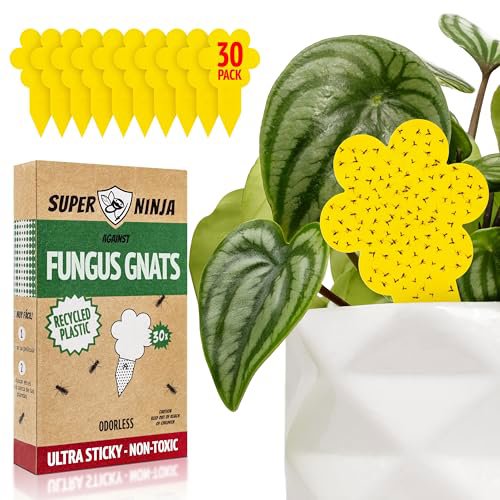
How to confirm: Place a yellow sticky trap near the base of the Lily to confirm the presence of flying adults.
build How to fix it
shopping_cart Recommended Products
1 Deploy yellow sticky traps to capture the adult flying gnats and disrupt their breeding cycle.
2 Allow the top inch of soil to dry out completely between waterings to kill larvae, as they thrive in overly moist environments.
3 Apply a microbial-based soil drench to target the larvae living in the organic matter.
error

Excessive Soil Moisture/Overwatering

Frequent watering or poor drainage in the lily pot creates the perfect breeding ground for fungus gnats. High humidity and wet topsoil surfaces are the primary drivers for their lifecycle completion.

Very Common
lightbulb
How to confirm: Stick your finger two inches into the soil; if it feels consistently soggy, you are overwatering.
build How to fix it
shopping_cart Recommended Products
1 Reduce watering frequency and allow the top inch of soil to dry out completely to disrupt the fungus gnat breeding cycle.
2 Apply a biological control like Neem Oil or a specialized spray to eliminate adult flies and larvae.
3 Set up yellow sticky traps near the soil surface to capture emerging adult gnats.
warning

Decomposing Organic Matter

Large amounts of uncomposted peat or mulch on the surface of the Lily pot provide food and hiding spots for fly larvae. These flies seek out nitrogen-rich, decaying material to lay their eggs.

Common
lightbulb
How to confirm: Check if there is a thick layer of decomposing organic matter or old mulch sitting atop the soil surface.
build How to fix it
shopping_cart Recommended Products
1 Remove the top layer of decomposing organic matter, such as uncomposted mulch or old peat, to eliminate the breeding ground for the flies.
2 Apply yellow sticky traps near the soil surface to capture the adult flies and disrupt their reproductive cycle.
3 Ensure the soil surface is clean and consider adding a thin layer of horticultural perlite to improve aeration and prevent future organic buildup.

Other Lilium orientalis Ofuna problems

Your plant might also be experiencing one of these issues:

local_hospital All symptoms eco All plants with tiny black flies
favorite