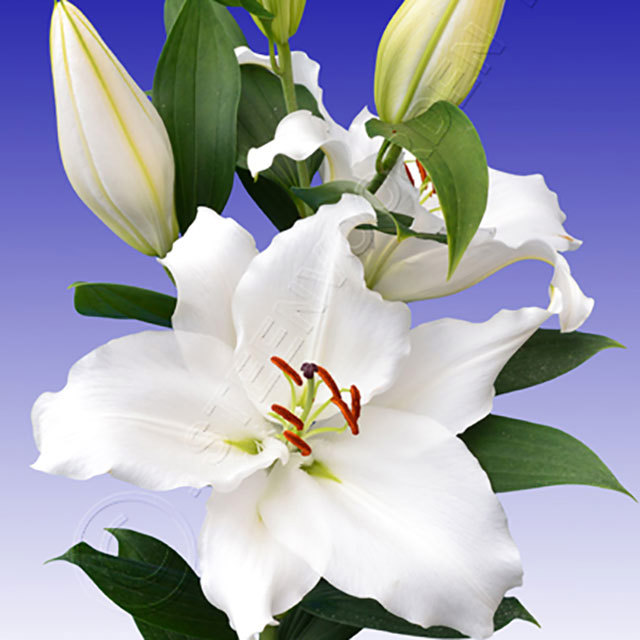
Lilium orientalis Premium Blond Drooping Leaves
eco Drooping Leaves

Lilium orientalis Premium Blond – Drooping Leaves

Why does your Lilium orientalis Premium Blond have drooping leaves? Diagnose the cause and fix it with our step-by-step guide.

search Possible Causes

error

Water Stress (Underwatering or Drought)

Oriental lilies have large, thirsty leaves that transpire quickly; if the soil dries out too much, the turgor pressure drops causing immediate wilting. This is common in 'Premium Blond' during heat waves as their large surface area leads to rapid moisture loss.

Very Common
lightbulb
How to confirm: Insert your finger 2 inches into the soil to check if it feels bone-dry to the touch.
build How to fix it
shopping_cart Recommended Products
1 Immediately check the soil moisture level at the root zone to confirm the extent of the drought.
2 Thoroughly soak the soil with water until it drains from the bottom, ensuring the large root system of the Lily is fully hydrated.
3 Apply a layer of organic mulch or perlite to the soil surface to help retain moisture and prevent future rapid evaporation.
error

Root Rot (Botrytis or Phytophthora)

Excessive moisture or poor drainage causes the bulb and roots to decay, preventing the lily from transporting water to the foliage. This results in drooping leaves that may eventually turn yellow or mushy at the base.

Very Common
lightbulb
How to confirm: Gently lift the bulb to see if it feels firm or if there is any foul odor or slimy texture around the scales.
build How to fix it
shopping_cart Recommended Products
1 Immediately inspect the bulb and roots for mushy, dark, or foul-smelling tissue; prune away any decayed parts using sterilized tools.
2 Repot the lily in a well-draining medium, incorporating perlite or horticultural grit to improve aeration and prevent future waterlogging.
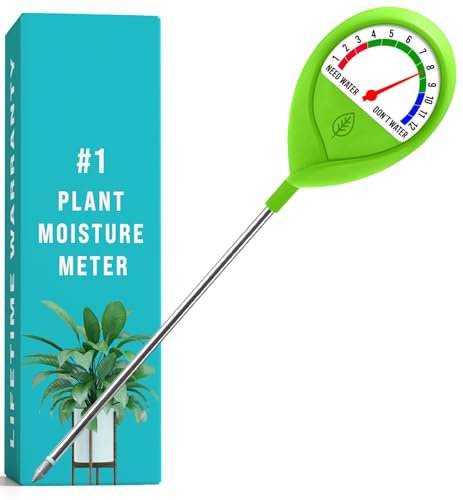
3 Ensure the plant is in a container with excellent drainage and use a moisture meter to prevent overwatering the bulb.
warning

Botrytis Lirii (Lily Blight)

This fungal pathogen thrives in humid conditions and can cause rapid wilting and drooping of the foliage, often accompanied by brown spots. It frequently attacks the tender tissues of Oriental hybrids during cool, damp weather.

Common
lightbulb
How to confirm: Inspect the underside of the drooping leaves for small, tan-colored necrotic spots or fuzzy grey mold.
build How to fix it
shopping_cart Recommended Products
1 Remove and destroy all infected foliage and dead plant debris to prevent the fungal spores from spreading to healthy tissue.
2 Apply an organic fungicide to the affected areas to control the spread of the Botrytis pathogen.
3 Improve air circulation around the lilies and avoid overhead watering to reduce the humidity that promotes blight.
warning

Nutrient Deficiency (Nitrogen)

A lack of nitrogen prevents the plant from maintaining strong cellular structures and chlorophyll production. In 'Premium Blond', this typically manifests as a gradual drooping accompanied by a pale, chlorotic appearance in older leaves.

Common
lightbulb
How to confirm: Check if the drooping is accompanied by a distinct yellowing starting from the bottom-most leaves.
build How to fix it
shopping_cart Recommended Products
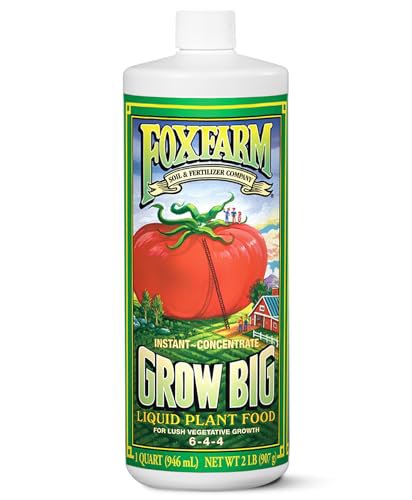
1 Apply a nitrogen-rich liquid fertilizer to boost chlorophyll production and strengthen cellular structures.
2 Monitor the soil moisture levels using an analog meter to ensure the plant is not drooping due to dehydration.
3 Ensure the plant is receiving adequate sunlight, as insufficient light can exacerbate the appearance of nutrient-related drooping.

Other Lilium orientalis Premium Blond problems

Your plant might also be experiencing one of these issues:

local_hospital All symptoms eco All plants with drooping leaves
favorite