Lilium OT Catina Sudden Leaf Drop
eco Sudden Leaf Drop

Lilium OT Catina – Sudden Leaf Drop

Why does your Lilium OT Catina have sudden leaf drop? Diagnose the cause and fix it with our step-by-step guide.

search Possible Causes

error

Botrytis Lilian (Lily Fire)

This fungal pathogen thrives in high humidity and can cause rapid browning and abscission of lily leaves. The fungus attacks the leaf tissue, leading to a sudden collapse of the foliage during warm, damp periods.

Very Common
lightbulb
How to confirm: Inspect the remaining leaves for small, brownish-tan necrotic spots or fuzzy gray mold patches.
build How to fix it
shopping_cart Recommended Products
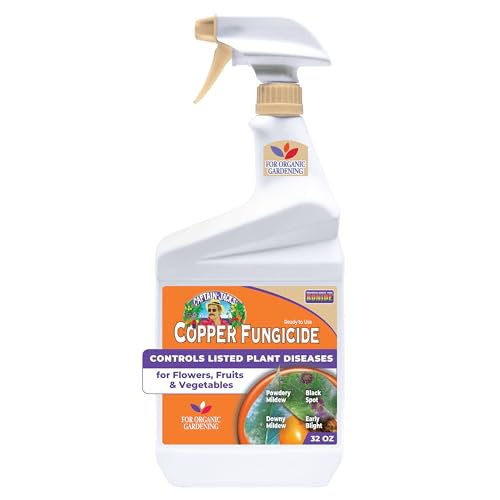
1 Apply an organic fungicide to the affected foliage and surrounding area to halt the spread of the Botrytis pathogen.
2 Prune and dispose of all infected, browning leaves immediately to prevent the fungus from spreading to healthy tissue.
3 Improve air circulation around the plant and reduce watering frequency to lower humidity levels around the foliage.
error

Root Rot (Phytophthora)

Overwatering or poor drainage in OT hybrid bulbs leads to oxygen deprivation and fungal decay of the root system. When roots rot, the lily can no longer support its heavy foliage, resulting in sudden wilting and leaf drop.

Very Common
lightbulb
How to confirm: Gently lift the bulb to check if the basal plate or roots are slimy, dark brown, or foul-smelling.
build How to fix it
shopping_cart Recommended Products
1 Immediately remove the plant from its current container and inspect the roots for mushy, brown, or foul-smelling decay; prune away all rotted sections using sterilized tools.
2 Repot the lily in a fresh, well-draining medium enriched with perlite to ensure maximum aeration and prevent future oxygen deprivation.
3 Transition to a container with superior drainage and use a moisture meter to ensure you only water when the top inch of soil is dry, preventing overwatering.
warning

Environmental Stress (Temperature Fluctuations)

OT hybrids are sensitive to sudden shifts in temperature, especially extreme heat or unexpected late frosts. Rapid changes trigger a defensive mechanism where the plant sheds leaves to conserve energy and moisture.

Common
lightbulb
How to confirm: Check if there has been a recent heatwave or a sudden drop in nighttime temperatures in your area.
build How to fix it
shopping_cart Recommended Products
1 Stabilize the environment by moving the lily to a location with consistent temperatures, away from drafty windows or heating vents.
2 Monitor soil moisture closely to ensure the plant isn't also suffering from dehydration during this stress period.
3 Apply a microbial-based fertilizer to help the plant recover and strengthen its root zone against future environmental shocks.
warning

Spider Mite Infestation

Two-spotted spider mites feed on the undersides of lily leaves, injecting toxins that cause chlorosis and premature leaf drop. Heavy infestations can deplete the plant's vascular resources very quickly.

Common
lightbulb
How to confirm: Hold a white piece of paper under a leaf and tap it to see if tiny moving dots or fine webbing appear.
build How to fix it
shopping_cart Recommended Products
1 Apply an organic insecticide to eliminate the spider mite population on the undersides of the leaves and prevent further toxin injection.
2 Increase humidity around the lily by using a fine mist spray to create an environment less favorable to spider mite reproduction.
3 Monitor the soil moisture levels to ensure the plant is not experiencing secondary stress from overwatering during the infestation.

Other Lilium OT Catina problems

Your plant might also be experiencing one of these issues:

local_hospital All symptoms eco All plants with sudden leaf drop
favorite