Lilium OT Hybrid Topeka Fine Webbing
eco Fine Webbing

Lilium OT Hybrid Topeka – Fine Webbing

Why does your Lilium OT Hybrid Topeka have fine webbing? Diagnose the cause and fix it with our step-by-step guide.

search Possible Causes

error

Two-Spotted Spider Mite Infestation

The fine webbing is a hallmark sign of spider mites, which thrive in the warm, dry conditions often experienced by OT Hybrids. These pests pierce the lily cells to suck out sap, leading to stippling and eventual leaf senescence.

Very Common
lightbulb
How to confirm: Hold a white piece of paper under a leaf and tap it to see if tiny crawling specks fall onto the paper.
build How to fix it
shopping_cart Recommended Products
1 Immediately spray the lily leaves, including the undersides, with an organic miticide to kill existing spider mites and their eggs.
2 Increase humidity around the plant and ensure the soil remains moist, as spider mites thrive in dry environments.
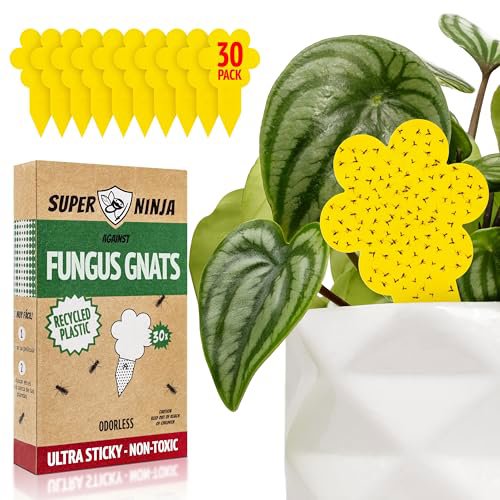
3 Use a yellow sticky trap to capture adult mites and monitor for any new infestations.
error

Tetranychus urticae (European Red Spider Mite)

A specific subset of spider mites that are highly aggressive on Lilium species. They create dense silken webs to protect themselves from predators and environmental fluctuations while feeding on the foliage.

Very Common
lightbulb
How to confirm: Inspect the undersides of the leaves for tiny yellow/white dots (stippling) or small reddish-brown clusters.
build How to fix it
shopping_cart Recommended Products
1 Apply an organic miticide/insecticide spray to the foliage to eliminate the spider mite population and destroy the protective webbing.
2 Increase humidity around the plant and wipe down leaves with a damp cloth to physically remove webbing and discourage mite re-infestation.
3 Monitor soil moisture levels closely, as spider mites thrive in dry, stressed environments.
warning

High Humidity and Lack of Airflow (Secondary Webbing)

While not a direct cause of webbing, excessive moisture trapped in dense OT Hybrid foliage can encourage secondary fungal growth or allow existing mite populations to explode due to lack of environmental stress.

Common
lightbulb
How to confirm: Check if the soil surface remains damp for extended periods and if the plant is crowded by other vegetation.
build How to fix it
shopping_cart Recommended Products
1 Inspect the undersides of leaves for tiny moving dots or webs to confirm if spider mites have established, then treat with an organic miticide spray.
2 Increase air circulation around the dense foliage by using a small fan or spacing plants further apart to reduce trapped moisture.
3 Prune away any heavily damaged or excessively dense foliage to improve airflow and reduce the humidity pockets that encourage secondary growth.

Other Lilium OT Hybrid Topeka problems

Your plant might also be experiencing one of these issues:

local_hospital All symptoms eco All plants with fine webbing
favorite