Lilium OT Pink Magic Drooping Leaves
eco Drooping Leaves

Lilium OT Pink Magic – Drooping Leaves

Why does your Lilium OT Pink Magic have drooping leaves? Diagnose the cause and fix it with our step-by-step guide.

search Possible Causes

error

Botrytis Lilianum (Lily Blight)

This fungal pathogen thrives in humid conditions and causes leaves to wilt, droop, and develop brown spots. It specifically targets the tender tissue of Oriental lilies like 'Pink Magic', often leading to rapid foliage collapse.

Very Common
lightbulb
How to confirm: Inspect the base of the drooping leaves for small, fuzzy grey mold patches or water-soaked lesions.
build How to fix it
shopping_cart Recommended Products
1 Remove and destroy all infected, drooping, or spotted foliage immediately to prevent the fungal spores from spreading to healthy parts of the plant.
2 Apply an organic fungicide to the remaining healthy tissue to control the spread of the blight.
3 Improve air circulation around the lilies and avoid overhead watering to reduce the humidity that allows Botrytis to thrive.
error

Overwatering and Root Rot

Excessive moisture in the bulb zone leads to fungal decay of the roots, preventing the lily from transporting water to the foliage. This results in systemic drooping even if the soil surface appears damp.

Very Common
lightbulb
How to confirm: Gently dig near the bulb to check if the roots are dark, slimy, or emitting a foul odor.
build How to fix it
shopping_cart Recommended Products
1 Immediately remove the lily from its current container and inspect the bulb and roots for any mushy, dark, or foul-smelling decay.
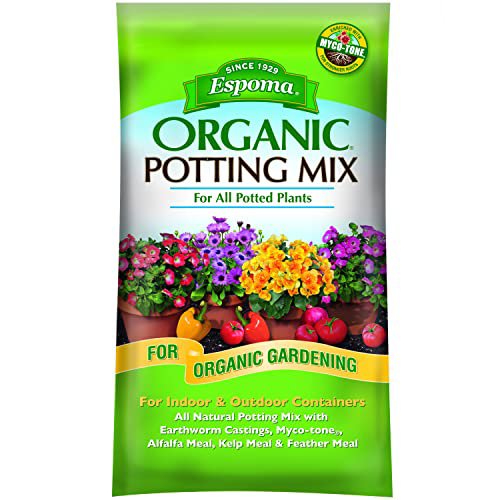
2 Prune away all rotten root tissue using sterilized tools and repot the plant in a well-draining, fresh medium like Espoma Organic Potting Soil Mix to prevent further fungal growth.
3 To prevent future overwatering, use an analog moisture meter to ensure the soil is allowed to dry out significantly before the next watering session.
warning

Water Stress (Dehydration)

Lilium OT hybrids have large leaf surface areas that lose moisture rapidly through transpiration. If the soil dries out completely between waterings, the turgor pressure in the leaves drops, causing visible drooping.

Common
lightbulb
How to confirm: Check the depth of the soil moisture; if it is bone dry several inches below the surface, the plant needs immediate hydration.
build How to fix it
shopping_cart Recommended Products
1 Check the soil moisture level immediately by inserting a probe into the substrate to determine if the root zone is completely dry.
2 Thoroughly water the plant until water drains from the bottom, ensuring the entire root ball is saturated to restore turgor pressure.
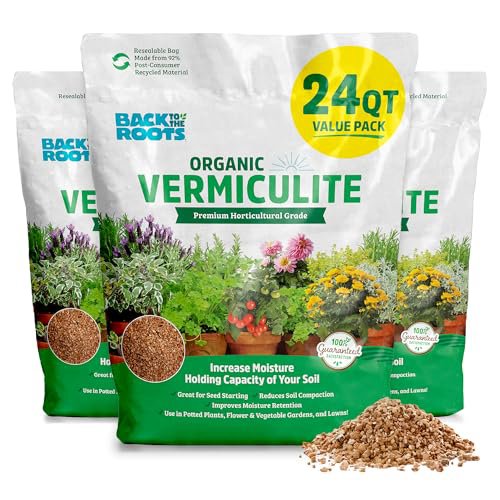
3 To prevent future dehydration, consider using a moisture-retaining amendment like vermiculite or a self-watering system to maintain consistent hydration.
warning

Liliom Bulb Rot (Fusarium Oxysporum)

This soil-borne fungus attacks the vascular system of the lily bulb, blocking the flow of nutrients and water. This often manifests as sudden, irreversible drooping of the entire stem.

Common
lightbulb
How to confirm: Check for any discoloration or browning in the stem near the soil line that extends downward toward the bulb.
build How to fix it
shopping_cart Recommended Products
1 Immediately remove and destroy the infected bulb and any surrounding plant material to prevent the fungus from spreading to healthy lilies.
2 Sterilize all gardening tools, such as pruning shears, with alcohol to avoid cross-contamination of the soil-borne pathogen.
3 Repot remaining healthy plants in fresh, well-draining medium and ensure the pot has excellent drainage to prevent the moisture buildup that favors Fusarium.

Other Lilium OT Pink Magic problems

Your plant might also be experiencing one of these issues:

local_hospital All symptoms eco All plants with drooping leaves
favorite