Lilium OT Table Dance Drooping Leaves
eco Drooping Leaves

Lilium OT Table Dance – Drooping Leaves

Why does your Lilium OT Table Dance have drooping leaves? Diagnose the cause and fix it with our step-by-step guide.

search Possible Causes

error

Water Stress (Underwatering or Drought)

OT Hybrid lilies like 'Table Dance' have high water requirements during their active growth phase. When soil moisture drops too low, the plant loses turgor pressure, causing the foliage to wilt and droop.

Very Common
lightbulb
How to confirm: Insert your finger 2 inches into the soil; if it feels bone dry, the lily requires immediate deep watering.
build How to fix it
shopping_cart Recommended Products
1 Immediately check the soil moisture level using a moisture meter to confirm the depth of the drought.
2 Thoroughly soak the soil with water until it is fully saturated, ensuring the water reaches the root zone.
3 Apply a liquid seaweed fertilizer to help the plant recover from environmental stress and boost nutrient uptake.
error

Root Rot (Overwatering)

Excessive moisture in heavy soils leads to fungal pathogens like Pythium attacking the bulb and roots. This prevents the plant from transporting water to the leaves, resulting in a paradoxical drooping symptom despite wet soil.

Very Common
lightbulb
How to confirm: Gently lift the bulb to check if the base is mushy, dark, or emits a foul odor.
build How to fix it
shopping_cart Recommended Products
1 Immediately stop watering and allow the soil to dry out completely. Check the soil moisture levels deeply with a probe to ensure the root zone is not waterlogged.
2 Repot the lily in a well-draining, airy medium. Mix in horticultural perlite or coarse sand to improve aeration and prevent future moisture retention.
3 Inspect the bulb and roots for any mushy, dark, or foul-smelling decay. Carefully trim away any rot using sterilized tools to prevent the spread of pathogens.
warning

Botrytis Lilianum (Lily Blight)

This fungal pathogen thrives in high humidity and causes foliage to wilt, brown, and eventually collapse. It often starts with small necrotic spots before the entire leaf structure loses rigidity.

Common
lightbulb
How to confirm: Inspect the undersides of the drooping leaves for fuzzy gray fungal growth or brown water-soaked spots.
build How to fix it
shopping_cart Recommended Products
1 Remove and destroy all infected, drooping, or necrotic foliage immediately to prevent the fungal spores from spreading to healthy parts of the plant.
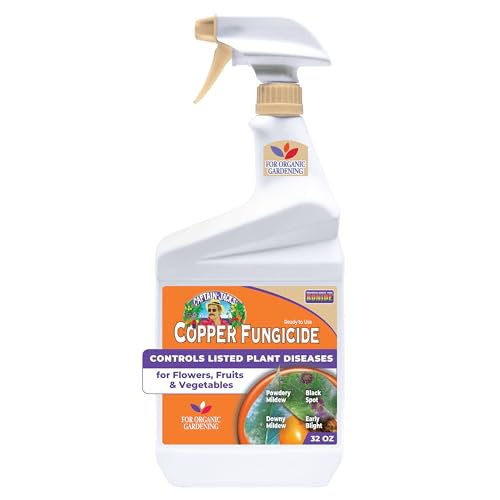
2 Apply an organic fungicide to the affected areas to control the spread of the blight and protect remaining healthy tissue.
3 Improve air circulation around the plant and reduce humidity by avoiding overhead watering, ensuring the leaves stay dry.
warning

Temperature Stress (Heat Exhaustion)

Extreme midday heat can cause lilies to enter a temporary state of wilting to reduce transpiration. If the leaves recover in the evening, it is likely thermal stress rather than disease.

Common
lightbulb
How to confirm: Check if the drooping recovers significantly after sunset or during the cooler morning hours.
build How to fix it
shopping_cart Recommended Products
1 Monitor the plant's recovery during the evening hours to confirm if the drooping is temporary thermal stress.
2 Provide shade during peak sunlight hours and ensure the plant is not sitting in stagnant, hot air.
3 Check soil moisture levels to ensure the heat hasn't caused dehydration; use a moisture meter to verify deep soil hydration.

Other Lilium OT Table Dance problems

Your plant might also be experiencing one of these issues:

local_hospital All symptoms eco All plants with drooping leaves
favorite