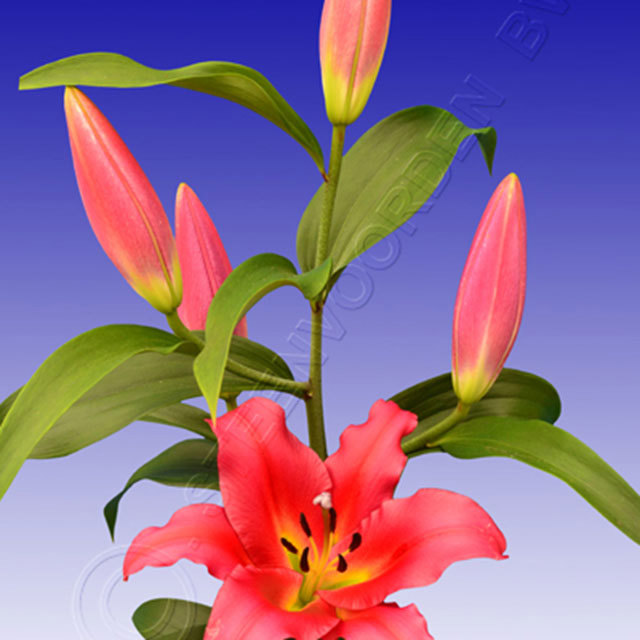
Lilium OT Theo Drooping Leaves
eco Drooping Leaves

Lilium OT Theo – Drooping Leaves

Why does your Lilium OT Theo have drooping leaves? Diagnose the cause and fix it with our step-by-step guide.

search Possible Causes

error

Improper Soil Moisture (Water Stress)

Lilium OT hybrids require consistent moisture but are highly susceptible to both drought and waterlogging. Drooping is the primary way a lily signals that its turgor pressure is low due to dry soil or that roots are suffocating from saturated soil.

Very Common
lightbulb
How to confirm: Insert your finger two inches into the soil; if it is bone dry, the plant needs water, but if it is muddy, you are overwatering.
build How to fix it
shopping_cart Recommended Products
1 Check the soil moisture level immediately by inserting a probe into the root zone to determine if the soil is bone-dry or waterlogged.
2 If the soil is dry, thoroughly water the plant until water drains from the bottom; if the soil is saturated, allow it to dry out and ensure the pot has proper drainage.
3 To prevent future water stress, consider repotting into a well-draining medium enriched with perlite to improve aeration and moisture retention.
warning

Botrytis Lilianis (Lily Blight)

This fungal pathogen thrives in humid conditions and attacks the foliage of Oriental and OT hybrids. It causes leaves to wilt, turn brown, and eventually collapse as the fungus destroys cell walls.

Common
lightbulb
How to confirm: Inspect the base of the drooping leaves for small, necrotic brown spots or fuzzy gray mold patches.
build How to fix it
shopping_cart Recommended Products
1 Remove and destroy all infected, drooping, or brown leaves immediately to prevent the fungus from spreading to healthy foliage.
2 Apply an organic fungicide to the plant to control the spread of the Botrytis pathogen.
3 Improve air circulation around the lily and avoid overhead watering to reduce the humidity that allows Lily Blight to thrive.
warning

Fungal Root Rot (Fusarium oxysporum)

Soil-borne fungi can attack the bulb and root system of Theo Lilies, obstructing the vascular system's ability to transport water upward. This leads to progressive wilting even when the soil appears moist.

Common
lightbulb
How to confirm: Gently lift a portion of the soil to see if the bulb or roots show signs of dark, soft, or foul-smelling decay.
build How to fix it
shopping_cart Recommended Products
1 Immediately remove the bulb from the soil and inspect for mushy, dark, or foul-smelling roots and base; prune away any decayed tissue using sterilized tools.
2 Repot the lily in a fresh, well-draining medium to prevent further spread of the fungus, ideally mixing in perlite to improve aeration.
3 Monitor soil moisture levels closely with a meter to ensure the soil is not staying waterlogged, which promotes fungal growth.
warning

Temperature Stress (Heat Exhaustion)

OT hybrids like 'Theo' can experience temporary drooping during extreme midday heat to conserve moisture. This is a physiological response rather than a disease, typically recovering once temperatures drop.

Common
lightbulb
How to confirm: Observe if the leaves perk up significantly during the cooler evening or early morning hours.
build How to fix it
shopping_cart Recommended Products
1 Move the plant to a cooler, shaded location or provide temporary afternoon shade to reduce direct heat exposure.
2 Monitor soil moisture levels closely to ensure the plant isn't actually dehydrated; use a moisture meter to check deep into the root zone.
3 Apply a light mulch around the base of the lily to help regulate soil temperature and retain moisture.

Other Lilium OT Theo problems

Your plant might also be experiencing one of these issues:

local_hospital All symptoms eco All plants with drooping leaves
favorite