Lilium Ovatie Drooping Leaves
eco Drooping Leaves

Lilium Ovatie – Drooping Leaves

Why does your Lilium Ovatie have drooping leaves? Diagnose the cause and fix it with our step-by-step guide.

search Possible Causes

error

Improper Soil Moisture (Water Stress)

Asiatic lilies require consistent moisture but are highly susceptible to both drought and waterlogging. Drooping is often the first sign that the bulb is either drying out or that the roots are suffocating due to anaerobic conditions.

Very Common
lightbulb
How to confirm: Insert your finger two inches into the soil; if it is bone dry, the plant needs water; if it is saturated, you must improve drainage.
build How to fix it
shopping_cart Recommended Products
1 Check the soil moisture level immediately by inserting a probe into the soil to determine if the plant is suffering from drought or waterlogging.
2 If the soil is bone dry, water the plant thoroughly; if the soil is saturated, ensure the pot has proper drainage and consider repotting with a well-draining medium like a mix containing perlite.
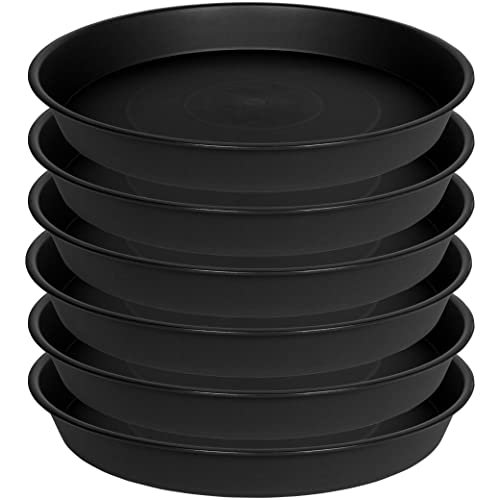
3 To prevent future water stress, use a saucer to catch excess water and avoid letting the bulb sit in standing water.
warning

Botrytis Lilianum (Lily Blight)

This fungal pathogen thrives in high humidity and causes stems to weaken and leaves to wilt or droop. It often begins with small brown spots that eventually lead to total structural collapse of the foliage.

Common
lightbulb
How to confirm: Inspect the base of the leaves for fuzzy grey mold or necrotic brown lesions.
build How to fix it
shopping_cart Recommended Products
1 Remove and destroy all infected leaves and stems immediately to prevent the fungal spores from spreading to healthy tissue.
2 Apply an organic fungicide to the affected plant to control the spread of the Botrytis pathogen.
3 Improve air circulation around the foliage and reduce overhead watering to lower humidity levels around the plant.
warning

Lilioceris Lilii (Lily Leaf Beetle) Infestation

The feeding activity of the larvae and adults removes significant leaf surface area, compromising the plant's ability to maintain turgor pressure. This loss of photosynthetic capacity leads to visible drooping and wilting.

Common
lightbulb
How to confirm: Check the undersides of the leaves for bright red beetles or small, orange larvae.
build How to fix it
shopping_cart Recommended Products
1 Identify and manually remove visible Lily Leaf Beetle adults and larvae from the foliage to immediately reduce feeding damage.
2 Apply an organic insecticide spray to the plant to eliminate remaining pests and protect new growth from further infestation.
3 Monitor soil moisture levels using a moisture meter to ensure the plant is not also suffering from dehydration due to lost leaf surface area.
warning

Bulb Rot (Fusarium oxysporum)

Fungal pathogens attacking the underground bulb can clog the vascular system, preventing water from reaching the leaves. This results in a sudden, characteristic drooping of the entire plant even when soil moisture seems adequate.

Common
lightbulb
How to confirm: Gently excavate the base of the plant to see if the bulb feels soft, slimy, or emits an unpleasant odor.
build How to fix it
shopping_cart Recommended Products
1 Immediately remove the affected plant from its container and inspect the bulb for soft, mushy, or discolored areas.
2 Discard any rotten bulbs and repot healthy bulbs in fresh, well-draining medium like Espoma Organic Potting Soil Mix to prevent further spread.
3 Apply a fungicide treatment if fungal symptoms persist and ensure the new planting site has excellent drainage to avoid waterlogged soil.

Other Lilium Ovatie problems

Your plant might also be experiencing one of these issues:

local_hospital All symptoms eco All plants with drooping leaves
favorite