Lilium Red Sensation Drooping Leaves
eco Drooping Leaves

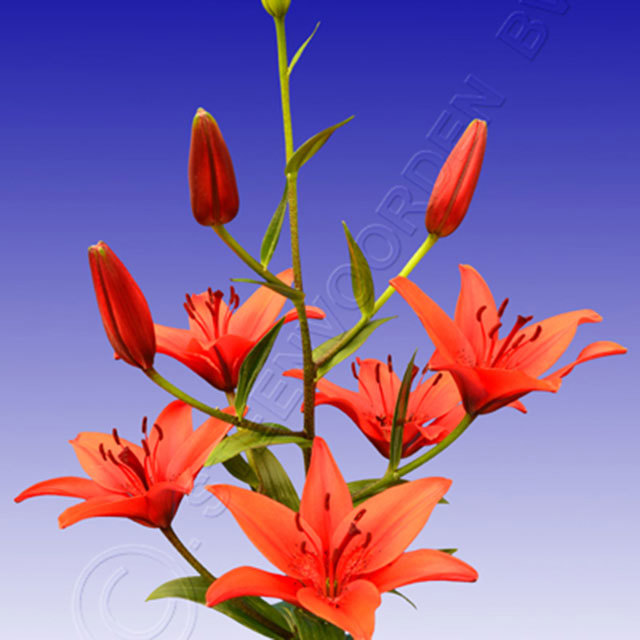
Lilium Red Sensation – Drooping Leaves

Why does your Lilium Red Sensation have drooping leaves? Diagnose the cause and fix it with our step-by-step guide.

search Possible Causes

error

Underwatering / Drought Stress

Lilies like 'Red Sensation' have high water requirements during their active growing and budding phases. If the soil substrate dries out too completely, the turgor pressure in the leaves drops, causing visible wilting.

Very Common
lightbulb
How to confirm: Stick your finger one inch into the soil; if it feels bone dry, the plant needs immediate deep watering.
build How to fix it
shopping_cart Recommended Products
1 Immediately check the soil moisture level at the root zone to confirm the extent of the drought stress.
2 Thoroughly water the plant until water drains from the bottom of the pot, ensuring the entire root ball is saturated.
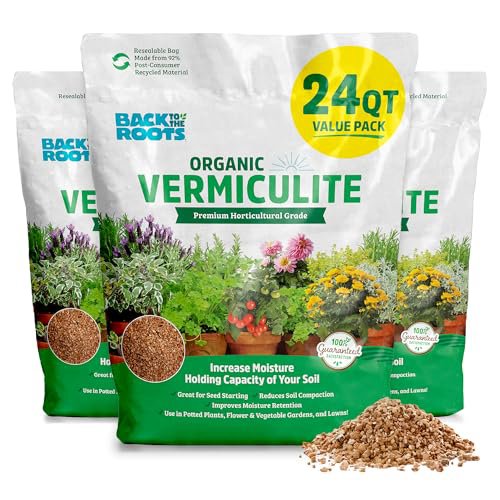
3 To prevent future drought stress, consider using a self-watering system or adding a moisture-retaining amendment like vermiculite to the soil.
warning

Botrytis Lilianum (Lily Blight)

This fungal pathogen thrives in humid conditions and can cause the leaves to lose structural integrity. The infection often starts with water-soaked spots that eventually lead to leaf drooping and necrosis.

Common
lightbulb
How to confirm: Inspect the base of the leaves for brown, mushy lesions or fuzzy gray mold growth.
build How to fix it
shopping_cart Recommended Products
1 Remove and destroy all infected, drooping, or necrotic leaves immediately to prevent the fungal spores from spreading to healthy tissue.
2 Apply an organic fungicide to the affected plant to control the spread of the Botrytis pathogen.
3 Improve air circulation around the plant and avoid overhead watering to reduce the humidity that allows Lily Blight to thrive.
warning

Root Rot (Phytophthora)

Excessive moisture in the bulb area leads to fungal decay of the roots. When roots rot, they can no longer transport water to the foliage, causing the plant to droop even if the soil is wet.

Common
lightbulb
How to confirm: Gently lift the bulb to check if the roots are black and slimy instead of firm and white.
build How to fix it
shopping_cart Recommended Products
1 Immediately remove the bulb from the soil and inspect for mushy, dark, or foul-smelling roots. Trim away all decayed tissue using sterilized tools to prevent further spread of the Phytophthora fungus.
2 Repot the lily in a fresh, well-draining medium to ensure the bulb area stays aerated and dry. Mixing in perlite or horticultural grit will significantly improve drainage and prevent future rot.
3 Monitor the soil moisture levels closely to avoid overwatering. Use an analog moisture meter to ensure the soil is allowed to dry out between watering sessions.
warning

Temperature Stress (Heat Exhaustion)

High ambient temperatures can cause 'Red Sensation' lilies to transpire water faster than the roots can absorb it. This physiological response leads to temporary wilting during peak daylight hours.

Common
lightbulb
How to confirm: Observe if the leaves perk up again in the evening or early morning when temperatures drop.
build How to fix it
shopping_cart Recommended Products
1 Move the plant to a cooler, shaded location or provide temporary shade during peak afternoon heat to reduce transpiration rates.
2 Monitor soil moisture levels closely to ensure the plant remains hydrated without becoming waterlogged; use a moisture meter to prevent overwatering during heat waves.
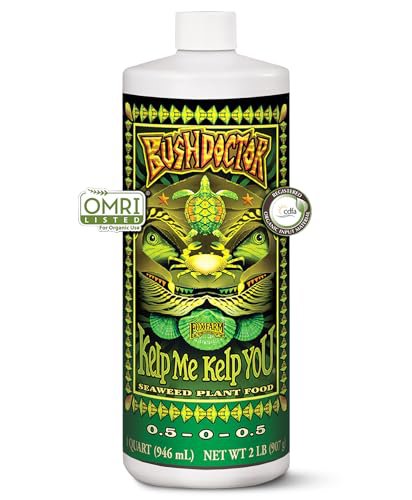
3 Apply a liquid seaweed fertilizer to help the plant recover from environmental stress and boost nutrient uptake.

Other Lilium Red Sensation problems

Your plant might also be experiencing one of these issues:

local_hospital All symptoms eco All plants with drooping leaves
favorite