Lilium Solange Sudden Leaf Drop
eco Sudden Leaf Drop

Lilium Solange – Sudden Leaf Drop

Why does your Lilium Solange have sudden leaf drop? Diagnose the cause and fix it with our step-by-step guide.

search Possible Causes

error

Botrytis Lilianum (Lily Blight)

This fungal pathogen thrives in high humidity and can cause rapid senescence of leaves. It often manifests as brown spots that quickly lead to the entire leaf detaching from the stem.

Very Common
lightbulb
How to confirm: Inspect the remaining leaves for fuzzy gray mold or water-soaked lesions near the base of the leaf blade.
build How to fix it
shopping_cart Recommended Products
1 Immediately remove and destroy all infected leaves and plant debris to prevent the fungal spores from spreading to healthy tissue.
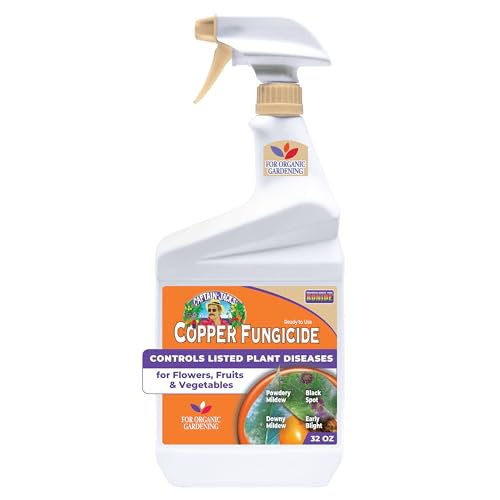
2 Apply an organic fungicide to the plant to control the spread of the blight and protect remaining healthy foliage.
3 Improve air circulation around the plant and reduce overhead watering to lower humidity levels, which are critical for Botrytis growth.
error

Fungal Root Rot (Pythium or Phytophthora)

Excessive moisture in the lily bulb's substrate suffocates roots, preventing water transport to the foliage. This physiological stress causes the plant to shed leaves as a survival mechanism.

Very Common
lightbulb
How to confirm: Gently lift the bulb from the soil to check if the basal plate or roots feel soft, slimy, or dark brown.
build How to fix it
shopping_cart Recommended Products
1 Immediately remove the lily bulb from the soil and inspect for mushy, dark, or foul-smelling roots. Trim away all decayed tissue using sterilized tools to prevent the spread of the fungus.
2 Repot the plant in a fresh, well-draining medium enriched with perlite to ensure maximum aeration and prevent future waterlogging.
3 Apply a fungicide treatment to the bulb and new substrate to combat remaining fungal spores, and use a moisture meter to ensure you only water when the top inch of soil is dry.
warning

Temperature Shock/Environmental Stress

Lilium Solange is sensitive to sudden shifts in temperature, especially extreme heat or frost. Rapid changes can trigger a stress response resulting in acute leaf abscission.

Common
lightbulb
How to confirm: Check if there has been a recent significant drop in nighttime temperatures or an unexpected heatwave in your area.
build How to fix it
shopping_cart Recommended Products
1 Stabilize the environment by moving the plant to a location with consistent temperatures, away from cold drafts or direct heat sources like radiators.
2 Monitor soil moisture levels closely to ensure the plant is not experiencing additional drought stress during this recovery period.
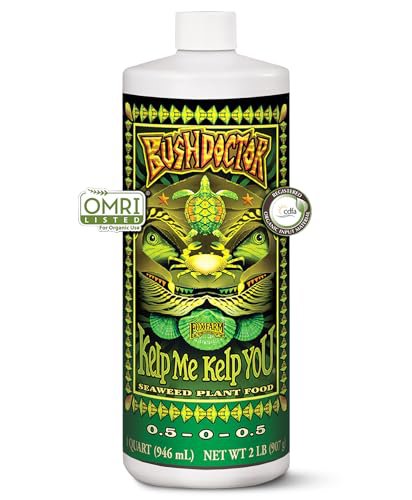
3 Apply a diluted liquid seaweed fertilizer to help the plant recover from environmental stress and boost nutrient uptake.
warning

Nutrient Deficiency (Nitrogen)

A lack of available nitrogen prevents the lily from maintaining its large, lush foliage. While usually gradual, severe deficiency can cause rapid yellowing and dropping of older leaves.

Common
lightbulb
How to confirm: Observe if the leaf drop started with the oldest, bottom-most leaves turning uniformly pale yellow.
build How to fix it
shopping_cart Recommended Products
1 Apply a nitrogen-rich liquid fertilizer to provide immediate nutrient uptake and help green up the remaining foliage.
2 Incorporate an organic soil amendment like blood meal into the top layer of the soil to provide a slow-release nitrogen boost.
3 Monitor the soil moisture levels using an analog meter to ensure the plant is not experiencing secondary stress from overwatering.

Other Lilium Solange problems

Your plant might also be experiencing one of these issues:

local_hospital All symptoms eco All plants with sudden leaf drop
favorite