Lilium Starburst Drooping Leaves
eco Drooping Leaves

Lilium Starburst – Drooping Leaves

Why does your Lilium Starburst have drooping leaves? Diagnose the cause and fix it with our step-by-step guide.

search Possible Causes

error

Improper Soil Moisture (Underwatering)

Liliums require consistent moisture to maintain turgor pressure in their large, fleshy leaves. When the bulb's water reserves are depleted, the leaves lose structural integrity and wilt rapidly.

Very Common
lightbulb
How to confirm: Stick your finger two inches into the soil; if it is bone dry, the plant needs immediate deep watering.
build How to fix it
shopping_cart Recommended Products
1 Immediately check the soil moisture level using a probe to confirm the depth of dehydration.
2 Thoroughly water the plant until water drains from the bottom of the pot, ensuring the bulb's root zone is fully saturated.
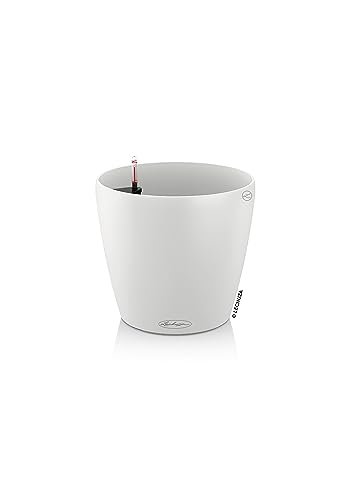
3 To prevent future wilting, monitor the soil regularly and consider using a self-watering system for consistent hydration.
warning

Botrytis Lilianum (Lily Blight)

This fungal pathogen thrives in humid conditions and attacks the leaf tissue, causing cells to collapse. This leads to characteristic drooping often accompanied by brown spotting or water-soaked lesions.

Common
lightbulb
How to confirm: Inspect the undersides of the leaves for fuzzy gray mold or dark, necrotic spots near the wilted areas.
build How to fix it
shopping_cart Recommended Products
1 Remove and destroy all infected leaves and plant debris to prevent the fungal spores from spreading further through the garden.
2 Apply an organic fungicide to the affected areas to control the spread of the Botrytis pathogen.
3 Improve air circulation around the lilies and avoid overhead watering to reduce the humidity that allows the blight to thrive.
warning

Root Rot (Overwatering/Poor Drainage)

Excessive moisture in the soil causes the lily bulb's roots to decay via fungal pathogens like Pythium. As roots die, they can no longer transport water to the leaves, causing them to droop despite wet soil.

Common
lightbulb
How to confirm: Gently lift the plant to check if the bulb is soft, slimy, or emitting a foul odor.
build How to fix it
shopping_cart Recommended Products
1 Immediately remove the lily from its current container and inspect the bulb and roots for mushy, dark, or foul-smelling decay.
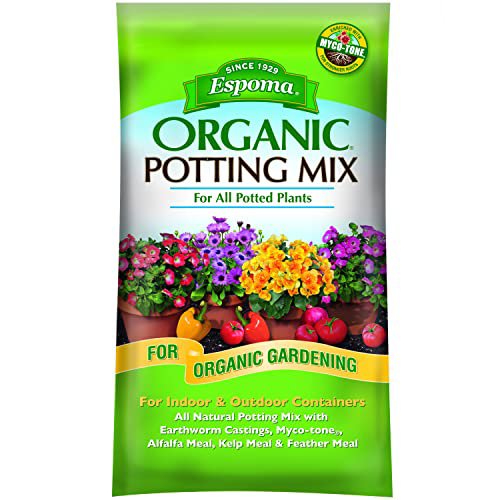
2 Prune away all decayed root matter using sterilized tools and repot the plant in a well-draining, fresh medium like Espoma Organic Potting Soil Mix to prevent further rot.
3 Ensure the new container has excellent drainage and use a moisture meter to monitor the soil, watering only when the top inch is dry to avoid future overwatering.
warning

Temperature Stress (Heat Exhaustion)

High ambient temperatures can cause Lilium Starburst leaves to transpire faster than the roots can replace moisture. This temporary wilting occurs as a defense mechanism to reduce surface area exposure.

Common
lightbulb
How to confirm: Observe if the drooping recovers during the cooler evening or early morning hours.
build How to fix it
shopping_cart Recommended Products
1 Move the plant to a cooler, shaded location to reduce transpiration rates and prevent further heat exhaustion.
2 Monitor soil moisture levels closely to ensure the plant remains hydrated without becoming waterlogged.
3 Apply a light mulch or top dressing to help regulate soil temperature and retain moisture around the roots.

Other Lilium Starburst problems

Your plant might also be experiencing one of these issues:

local_hospital All symptoms eco All plants with drooping leaves
favorite