Lilium Tango Orange Art White Cottony Spots
eco White Cottony Spots

Lilium Tango Orange Art – White Cottony Spots

Why does your Lilium Tango Orange Art have white cottony spots? Diagnose the cause and fix it with our step-by-step guide.

search Possible Causes

error

Mealybugs

These sap-sucking insects produce a white, waxy, cottony secretion to protect themselves while feeding on the lily's stems and buds. They can cause stunting and yellowing of the foliage as they deplete the plant's nutrients.

Very Common
lightbulb
How to confirm: Use a magnifying glass to check the leaf axils and base of the flower buds for tiny, moving white insects.
build How to fix it
shopping_cart Recommended Products
1 Isolate the lily from other plants immediately to prevent the mealybugs from spreading to your entire collection.
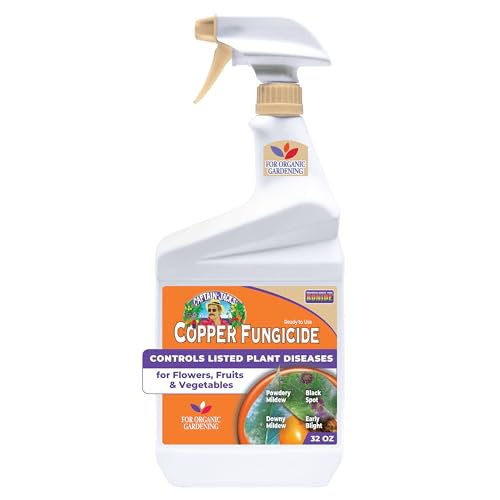
2 Apply an organic insecticide spray to the plant, ensuring you coat the undersides of leaves and crevices where the white waxy secretions hide.
3 Wipe away visible cottony clusters with a cotton swab dipped in isopropyl alcohol to kill the insects on contact.
warning

Powdery Mildew

This fungal pathogen manifests as a white, flour-like coating on the surface of the lily leaves. It thrives in high humidity and poor air circulation around the Tango Orange Lily's foliage.

Common
lightbulb
How to confirm: Check if the white spots can be wiped off with your finger, leaving a clean spot underneath.
build How to fix it
shopping_cart Recommended Products
1 Apply an organic fungicide to the affected leaves to eliminate the powdery mildew spores and prevent further spread.
2 Improve air circulation around the foliage and reduce humidity by spacing plants further apart and avoiding overhead watering.
3 Prune and dispose of heavily infected leaves to prevent the fungal pathogen from spreading to healthy parts of the lily.
warning

Cottony Scale

Certain species of scale insects produce thick, white, felt-like coverings that resemble cotton. These pests attach to the lily's stems and can lead to the production of honeydew, which attracts sooty mold.

Common
lightbulb
How to confirm: Inspect the underside of the leaves and the stem nodes for hard, stationary white bumps.
build How to fix it
shopping_cart Recommended Products
1 Treat the lily with an organic insecticide/miticide spray to eliminate the scale insects and their white coverings.
2 Physically remove visible scale insects from the stems using a cotton swab dipped in rubbing alcohol to prevent further infestation.
3 Clean the surrounding area and leaves to remove honeydew and prevent the development of sooty mold.

Other Lilium Tango Orange Art problems

Your plant might also be experiencing one of these issues:

local_hospital All symptoms eco All plants with white cottony spots
favorite