Lily Giraffe Sudden Leaf Drop
eco Sudden Leaf Drop

Lily Giraffe – Sudden Leaf Drop

Why does your Lily Giraffe have sudden leaf drop? Diagnose the cause and fix it with our step-by-step guide.

search Possible Causes

error

Water Stress (Root Rot or Drought)

As a succulent-like species, the Giraffe Lily is highly sensitive to moisture fluctuations. Overwatering leads to anaerobic conditions and root rot, causing the plant to shed leaves as it fails to transport water; conversely, extreme drought can trigger dormancy through leaf drop.

Very Common
lightbulb
How to confirm: Check if the base of the stems feels soft or mushy and inspect if the soil has dried out completely.
build How to fix it
shopping_cart Recommended Products
1 Check the soil moisture level immediately using a moisture meter to determine if the roots are drowning or desiccated.
2 If the soil is soggy, repot the plant in a well-draining medium like a mix containing perlite or pumice to prevent further root rot.
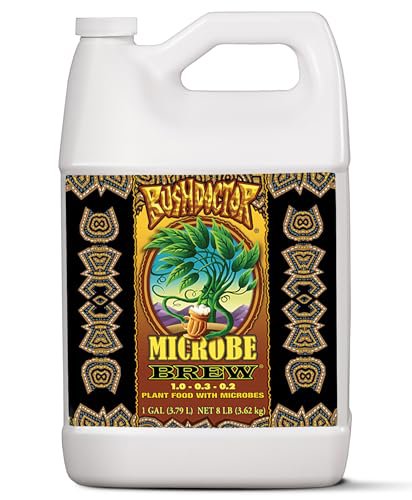
3 If the plant is suffering from root rot, trim away any mushy, dark roots and use a microbial inoculant to help restore root health.
error

Temperature Shock

Giraffe Lilies are tropical to subtropical plants that thrive in stable temperatures. A sudden drop in temperature, particularly exposure to drafts or frost, disrupts the plant's metabolic processes and causes rapid abscission of foliage.

Very Common
lightbulb
How to confirm: Observe if there has been a recent change in room temperature or if the plant is near a cold window or AC vent.
build How to fix it
shopping_cart Recommended Products
1 Immediately move the plant to a stable, draft-free environment with consistent temperatures between 65°F and 80°F to prevent further metabolic disruption.
2 Monitor the soil moisture closely using a moisture meter to ensure the plant is not being overwatered while it is in a stressed, non-photosynthesizing state.
3 Avoid applying heavy fertilizers during this recovery phase; instead, use a gentle microbial boost to support root zone resilience.
warning

Light Intensity Fluctuations

Sudden movement from bright, indirect light to a dark corner can cause the plant to drop leaves as it cannot sustain its current biomass with reduced photosynthetic capacity. This is common when plants are moved frequently.

Common
lightbulb
How to confirm: Determine if the plant has recently been moved to a location with significantly lower light levels.
build How to fix it
shopping_cart Recommended Products
1 Relocate your Lily Giraffe to a stable location with consistent, bright, indirect light to prevent further light stress.
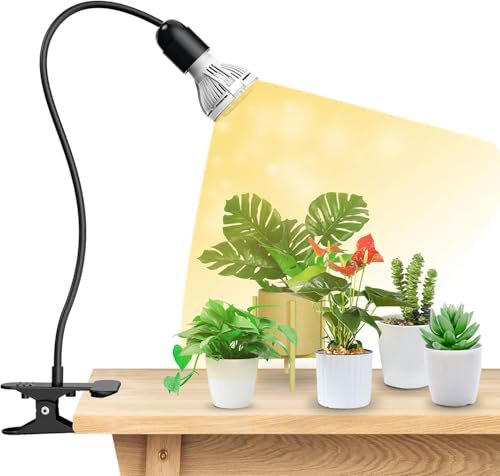
2 Supplement with a full-spectrum grow light to stabilize photosynthetic capacity during the transition period.
3 Monitor the soil moisture closely using a moisture meter, as light changes can alter the plant's water uptake rate.
warning

Nutrient Deficiency (Nitrogen)

A lack of essential macronutrients, specifically nitrogen, prevents the maintenance of chlorophyll and structural integrity in older leaves, leading to yellowing and eventual drop. This is common in long-term indoor placements where soil nutrients are depleted.

Common
lightbulb
How to confirm: Look for progressive yellowing starting with the oldest, lowest leaves on the stem.
build How to fix it
shopping_cart Recommended Products
1 Apply a nitrogen-rich liquid fertilizer to replenish depleted soil nutrients and support chlorophyll production.
2 Check the soil moisture levels using a moisture meter to ensure the plant is not also experiencing water stress, which can mimic nutrient deficiency symptoms.
3 Repot the plant in fresh, nutrient-dense potting soil to provide a long-term reservoir of essential macronutrients.

Other Lily Giraffe problems

Your plant might also be experiencing one of these issues:

local_hospital All symptoms eco All plants with sudden leaf drop
favorite