Lily Orange Matrix Sudden Leaf Drop
eco Sudden Leaf Drop

Lily Orange Matrix – Sudden Leaf Drop

Why does your Lily Orange Matrix have sudden leaf drop? Diagnose the cause and fix it with our step-by-step guide.

search Possible Causes

error

Botrytis Lilianum (Lily Blight)

This fungal pathogen thrives in humid conditions and attacks the foliage of Lilies, causing leaves to wilt and drop rapidly. It often presents with brown spots that expand until the entire leaf detaches from the stem.

Very Common
lightbulb
How to confirm: Inspect the remaining leaves for fuzzy grey mold or small, water-soaked lesions near the base of the foliage.
build How to fix it
shopping_cart Recommended Products
1 Immediately remove and destroy all infected leaves and plant debris to prevent the fungal spores from spreading to healthy tissue.
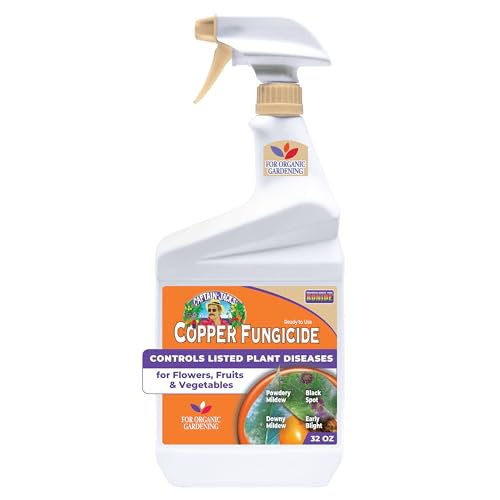
2 Apply an organic fungicide to the remaining foliage to control the spread of the blight.
3 Improve air circulation around the plant and avoid overhead watering to reduce the humidity that allows Botrytis to thrive.
error

Overwatering and Root Rot

Excessive moisture in the Lily's bulb area prevents oxygen from reaching the roots, leading to rhizome or bulb decay. As the root system fails, the plant can no longer support its foliage, resulting in sudden leaf senescence.

Very Common
lightbulb
How to confirm: Gently lift a portion of the soil to see if the bulb feels soft, slimy, or emits a foul odor.
build How to fix it
shopping_cart Recommended Products
1 Immediately remove the plant from its current container and inspect the bulb for soft, mushy, or foul-smelling areas.
2 Trim away any decayed or mushy roots and repot the lily in a well-draining medium, such as a mix containing Legigo Organic Horticultural Perlite to improve aeration.
3 Use an analog moisture meter to monitor the soil and ensure you only water when the top inch of soil is dry to prevent future bulb rot.
warning

Temperature Shock

Orange Lilies are sensitive to sudden environmental shifts, particularly frost or extreme heat waves. Rapid drops in temperature can trigger an emergency dormancy response where the plant sheds leaves to preserve the bulb.

Common
lightbulb
How to confirm: Check if there has been a recent significant weather event or a drop in night-time temperatures below 50°F (10°C).
build How to fix it
shopping_cart Recommended Products
1 Move the plant to a stable environment with consistent temperatures, away from cold drafts or heat vents, to prevent further stress.
2 Monitor the soil moisture closely using a moisture meter to ensure the bulb does not rot during this period of dormancy.
3 Once the temperature stabilizes, apply a light feeding of liquid seaweed to help the plant recover from the environmental stress.
warning

Spider Mites Infestation

High populations of spider mites pierce the lily leaf cells to suck out nutrients, causing the foliage to turn yellow and eventually drop. This is most common in dry, indoor, or greenhouse environments.

Common
lightbulb
How to confirm: Hold a white piece of paper under a leaf and tap it to see if tiny moving dots fall onto the paper.
build How to fix it
shopping_cart Recommended Products
1 Apply an organic miticide to eliminate existing spider mite populations and protect healthy foliage.
2 Increase local humidity around the lily by using a fine mist spray to create an environment less favorable to spider mites.
3 Monitor soil moisture levels closely to ensure the plant is not experiencing secondary stress from dehydration.

Other Lily Orange Matrix problems

Your plant might also be experiencing one of these issues:

local_hospital All symptoms eco All plants with sudden leaf drop
favorite