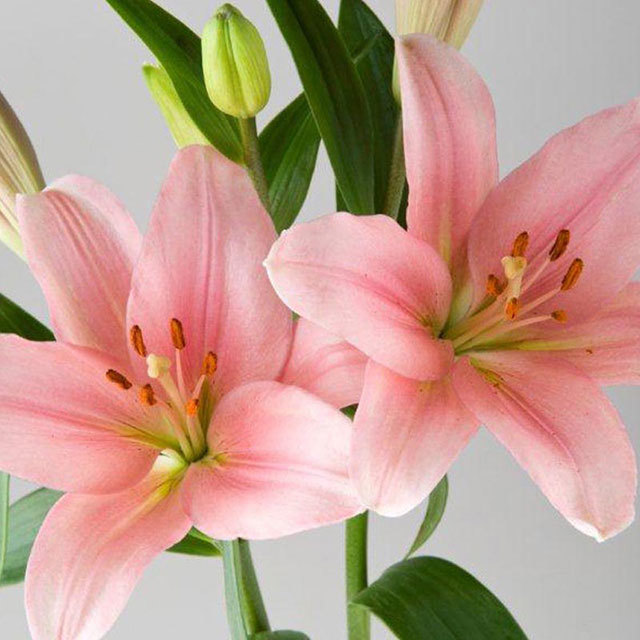
Lily Oriental Drooping Leaves
eco Drooping Leaves

Lily Oriental – Drooping Leaves

Why does your Lily Oriental have drooping leaves? Diagnose the cause and fix it with our step-by-step guide.

search Possible Causes

error

Botrytis Lilianum (Lily Blight)

This fungal pathogen thrives in high humidity and causes leaves to wilt, droop, and develop brown necrotic spots. It is particularly devastating to Oriental Lilies as it can lead to complete stem collapse.

Very Common
lightbulb
How to confirm: Inspect the leaf edges for fuzzy gray mold or water-soaked lesions.
build How to fix it
shopping_cart Recommended Products
1 Immediately remove and destroy all infected, drooping, or necrotic leaves and stems to prevent the fungal spores from spreading to healthy tissue.
2 Apply an organic fungicide to the plant to control the spread of the blight and protect remaining healthy foliage.
3 Improve air circulation around the plant and avoid overhead watering to reduce the high humidity levels that allow Botrytis to thrive.
error

Overwatering and Root Rot

Oriental Lilies prefer well-draining soil; excessive moisture causes Pythium or Phytophthora to rot the bulbs and roots. When roots decay, the plant cannot transport water upward, resulting in sudden drooping despite moist soil.

Very Common
lightbulb
How to confirm: Gently dig near the bulb to check if the roots are mushy, dark brown, or emitting a foul odor.
build How to fix it
shopping_cart Recommended Products
1 Immediately remove the plant from its current container and inspect the bulbs and roots for any mushy, dark, or foul-smelling decay.
2 Prune away all rotted roots and bulbs using sterilized tools, then repot the lily in a fresh, well-draining medium enriched with perlite to improve aeration.
3 Monitor the soil moisture levels closely using an analog meter to ensure you only water when the top inch of soil is dry, preventing future overwatering.
warning

Lilioceris Lilii (Lily Leaf Beetle) Infestation

The feeding activity of the bright red Lily Leaf Beetle larvae causes significant defoliation and structural weakening of the leaves. As leaf surface area decreases, the plant loses turgor pressure and begins to droop.

Common
lightbulb
How to confirm: Check the undersides of leaves for small, orange clusters of eggs or bright red larvae.
build How to fix it
shopping_cart Recommended Products
1 Identify and manually remove visible bright red beetles and larvae from the leaves to immediately reduce feeding damage.
2 Apply an organic insecticide spray to the plant to eliminate remaining larvae and adult beetles.
3 Prune away heavily defoliated or structurally weakened leaves to prevent further energy loss and promote new growth.
warning

Water Stress (Dehydration)

Oriental Lilies have large, thin leaves that lose moisture rapidly through transpiration. In high temperatures or sandy soils, the plant may droop temporarily to conserve water.

Common
lightbulb
How to confirm: Check the soil moisture level two inches below the surface; if dry, provide a deep watering.
build How to fix it
shopping_cart Recommended Products
1 Check the soil moisture level immediately using a moisture meter to determine if the soil is truly dry or if the plant is suffering from root rot.
2 Apply a deep, thorough watering to the base of the plant, ensuring the soil is completely saturated to replenish lost moisture.
3 Mulch the soil surface with organic matter to help retain moisture and reduce evaporation from the large leaves.

Other Lily Oriental problems

Your plant might also be experiencing one of these issues:

local_hospital All symptoms eco All plants with drooping leaves
favorite