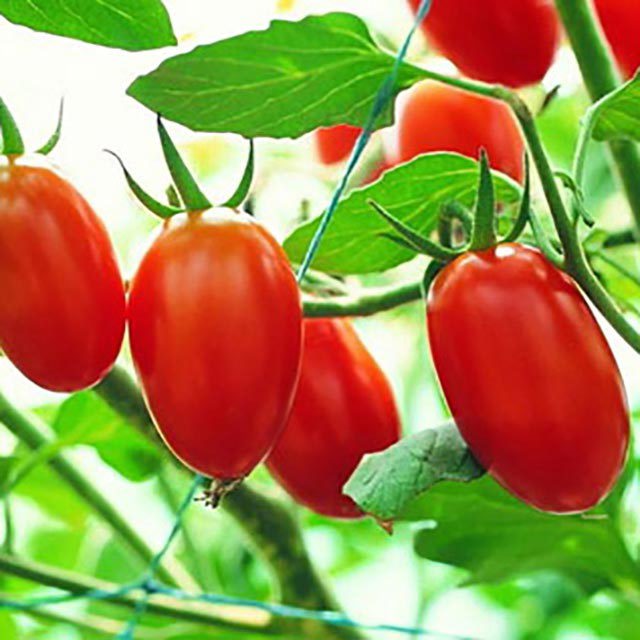
Lycopersicon esculentum mini Sudden Leaf Drop
eco Sudden Leaf Drop

Lycopersicon esculentum mini – Sudden Leaf Drop

Why does your Lycopersicon esculentum mini have sudden leaf drop? Diagnose the cause and fix it with our step-by-step guide.

search Possible Causes

error

Water Stress (Overwatering or Drought)

Mini tomatoes have shallow root systems that are highly sensitive to moisture fluctuations. Rapid changes between waterlogged soil and bone-dry conditions trigger an abscission response, causing the plant to shed leaves to conserve energy.

Very Common
lightbulb
How to confirm: Stick your finger two inches into the soil; if it is saturated or completely desiccated, watering consistency is the culprit.
build How to fix it
shopping_cart Recommended Products
1 Check the soil moisture level immediately using a moisture meter to determine if the soil is currently waterlogged or bone-dry.
2 If the soil is waterlogged, ensure the pot has excellent drainage and avoid further watering; if bone-dry, provide a deep, consistent watering session.
3 To prevent future fluctuations, amend your potting mix with perlite to improve aeration and drainage.
error

Temperature Fluctuations (Thermal Stress)

Miniature tomato cultivars are particularly sensitive to sudden drops in night temperature or extreme heat waves. Rapid shifts outside the ideal 65°F-85°F range cause physiological shock and leaf drop.

Very Common
lightbulb
How to confirm: Check if there has been a recent cold snap below 50°F or a period of intense, unshaded midday sun.
build How to fix it
shopping_cart Recommended Products
1 Stabilize the environment by moving the plant to a location with consistent temperatures, ideally between 65°F and 85°F, to prevent further thermal shock.
2 Apply a microbial-based liquid fertilizer to help the plant recover from environmental stress and support root zone development.
3 Mulch the soil surface with organic matter to help insulate the root zone against future temperature swings.
warning

Fungal Pathogens (e.g., Early Blight or Fusarium Wilt)

Pathogens like Alternaria solani can cause rapid yellowing and dropping of lower leaves. These fungi thrive in humid microclimates around the dense foliage of dwarf tomato varieties.

Common
lightbulb
How to confirm: Inspect the remaining leaves for dark, concentric ring-like spots or a general yellowing starting from the bottom of the plant upward.
build How to fix it
shopping_cart Recommended Products
1 Prune and remove all infected or yellowing lower leaves immediately to prevent the fungus from spreading through the dense foliage.
2 Apply an organic fungicide to protect the remaining healthy plant tissue from further fungal colonization.
3 Improve airflow around the plant by thinning out dense foliage and ensure you are watering at the base of the plant to keep leaves dry.
warning

Nutrient Deficiency (Nitrogen)

A sudden lack of mobile nutrients like Nitrogen causes the plant to cannibalize older leaves to support new growth. This results in chlorosis (yellowing) followed by leaf drop, especially in high-yielding mini varieties.

Common
lightbulb
How to confirm: Look for uniform yellowing on older, bottom leaves while the top growth remains green.
build How to fix it
shopping_cart Recommended Products
1 Apply a nitrogen-rich liquid fertilizer to provide immediate nutrient uptake for the developing foliage.
2 Supplement the soil with a balanced organic amendment to ensure long-term nitrogen availability.
3 Monitor soil moisture levels using a moisture meter to ensure nitrogen is not being leached away by overwatering.

Other Lycopersicon esculentum mini problems

Your plant might also be experiencing one of these issues:

local_hospital All symptoms eco All plants with sudden leaf drop
favorite